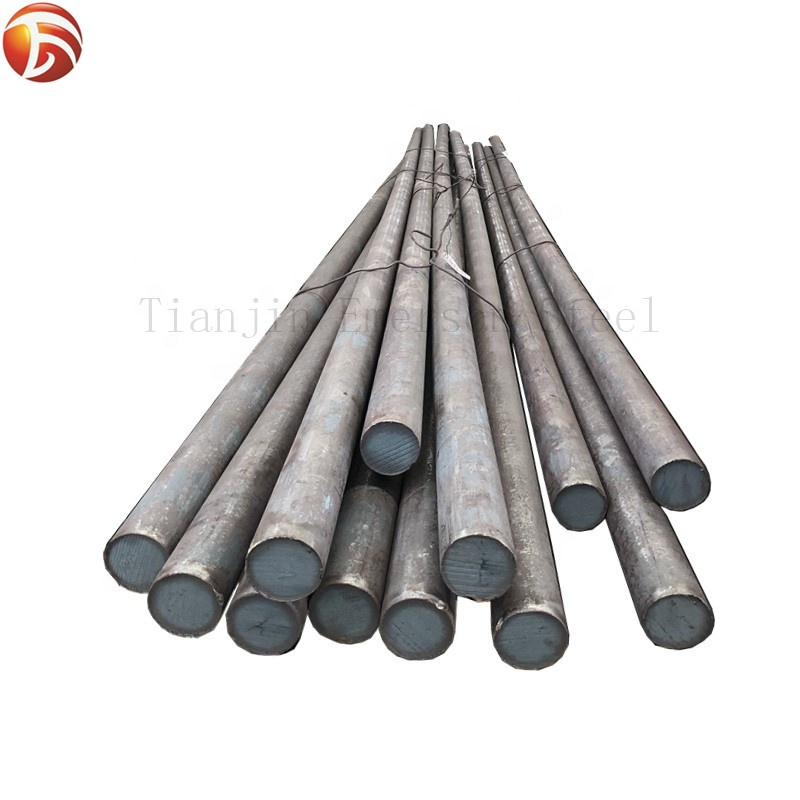
The fundamental difference between carbon steel and stainless steel round bars lies at the atomic level, determined by their alloy composition. This composition influences their mechanical properties, corrosion resistance, and machinability, ultimately dictating their optimal applications. Carbon steel round bars are primarily composed of iron and carbon. Their carbon content—typically 0.05% for low-carbon grades like 1018 and exceeding 0.60% for high-carbon grades—is the key factor determining hardness, tensile strength, and heat treatment properties. A notable characteristic is its susceptibility to rust when exposed to moisture and oxygen, necessitating protective coatings in many applications. In stark contrast, stainless steel round bars contain over 10.5% chromium, enabling the formation of a self-healing passive oxide layer on their surface. Common grades like 304 (containing 18% chromium and 8% nickel) and 316 (with added molybdenum) exhibit varying degrees of corrosion resistance, with 316 performing exceptionally well in chloride environments. While certain carbon steels achieve higher ultimate tensile strengths, stainless steel generally offers a superior combination of strength, ductility, and corrosion resistance, despite its higher initial material cost.Whether it's the cost-effective strength and machinability of carbon steel or the enduring corrosion resistance of stainless steel, as a raw material supplier, we provide expert guidance to our customers.
Although our factory employs common processing steps for both material families, precise adjustments to techniques and parameters remain essential. Precision cutting is first performed using high-speed band saws or advanced cold saws, followed by CNC turning and milling operations. Carbon steel typically offers greater machinability and efficiency, allowing higher cutting speeds and feed rates to reduce tool wear and shorten production cycles. While stainless steel is fully machinable, its work-hardening properties and high toughness present greater challenges. Processing requires sturdier tools, strict control of cutting speeds and feed rates, and effective coolant application to prevent chipping and achieve superior surface finish. For components requiring enhanced properties, heat treatment is a critical differentiator. Carbon steel round bars (particularly medium-carbon steels like 1045 or alloy steels like 4140) exhibit exceptional responsiveness to quenching and tempering. This process precisely controls hardness, strength, and toughness. Austenitic stainless steels (e.g., 304) typically do not undergo hardening heat treatment but can restore corrosion resistance through solution annealing to eliminate precipitates. Martensitic stainless steels (e.g., 410, 420) can be hardened via heat treatment.Final assembly typically involves joining processes where welding plays a critical role. Carbon steel exhibits excellent weldability across most grades. However, welding stainless steel requires specialized expertise to maintain its corrosion resistance and ensure the integrity of the welded area.
Carbon steel round bars serve as the backbone of heavy industry, finding extensive application across manufacturing sectors. Their high strength, cost-effectiveness, and ease of machining make them an ideal choice for producing high-strength, high-volume components in automotive, machinery, and construction industries—such as shafts, axles, gears, bolts, studs, and hydraulic cylinder rods. Stainless steel round bars, specifically engineered for corrosive or high-cleanliness environments, are the preferred material for shafts, valves, fasteners, and pipe fittings in the food and beverage, pharmaceutical, chemical, and marine industries. Their aesthetic appeal and durability also make them suitable for architectural components, medical devices, and consumer goods. Our integrated service model covers the full value chain for both materials: supplying raw round bars, performing precision cutting, executing complex CNC machining and turning, implementing necessary heat treatment, conducting specialized welding and assembly, and providing finishing services like grinding, polishing, or passivation. Whether specifications demand the toughness and strength of carbon steel or the enduring corrosion resistance of stainless steel, we ensure products deliver optimal performance.