Coating Composition and Manufacturing Process
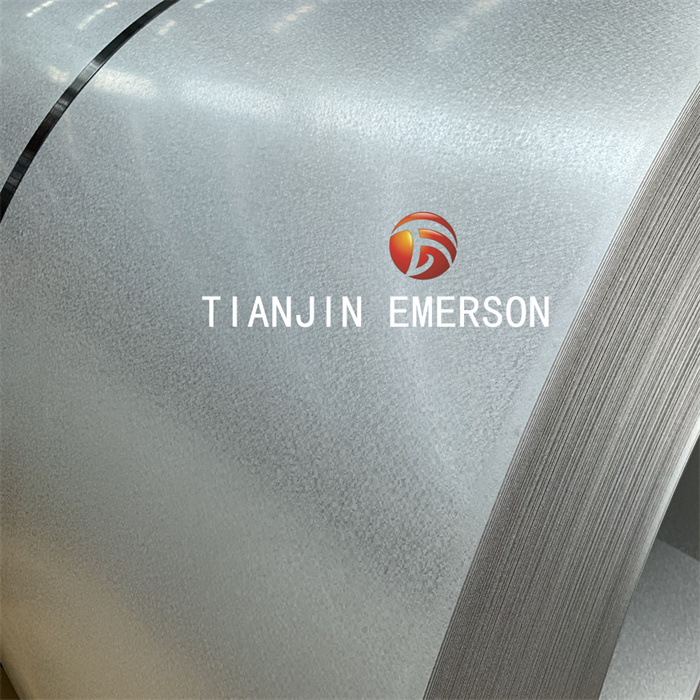
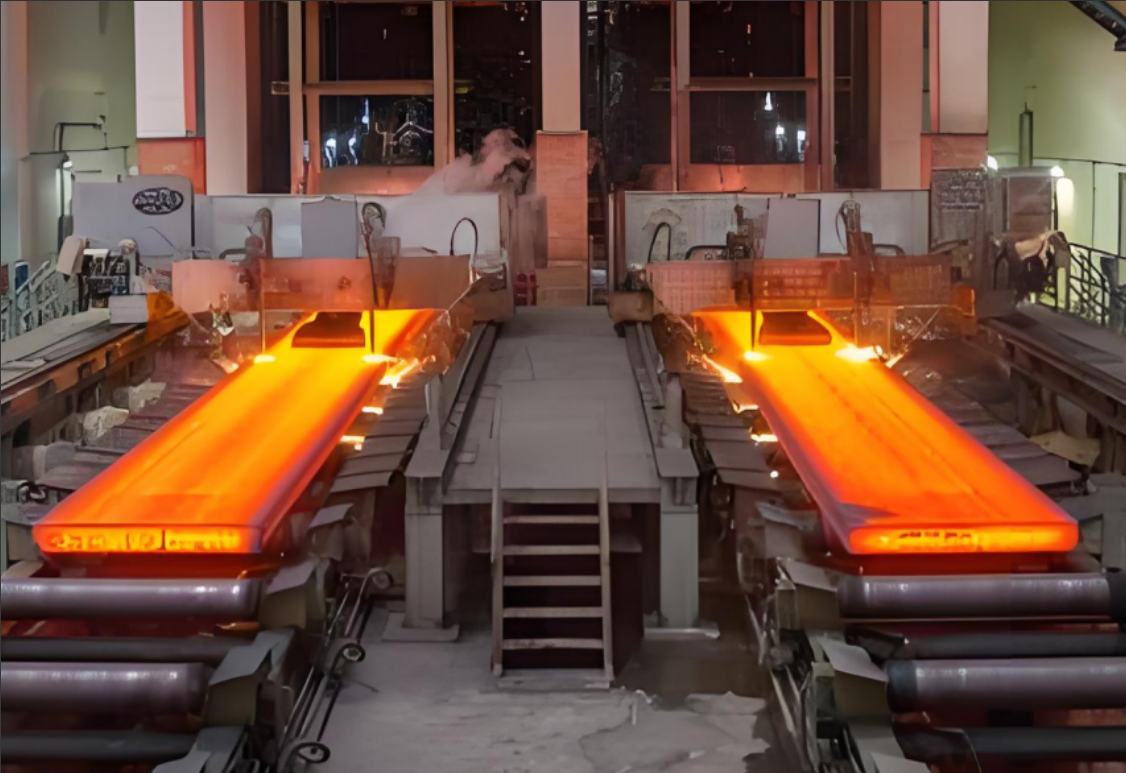
The fundamental distinction between aluminum-zinc coating (commonly known as Galvalume) and traditional zinc coating (galvanized steel) lies in their chemical composition and protective mechanisms. Galvanized steel is produced through a hot-dip process where steel is immersed in molten zinc, forming a protective layer of 100% zinc that provides a sacrificial barrier between the steel and the environment. In contrast, aluminum-zinc coated steel—developed in 1972 by Bethlehem Steel as GALVALUME®—features a coating composed of approximately 55% aluminum, 43.4% zinc, and 1.6% silicon. This silicon addition enhances the adhesion of the coating to the steel substrate, ensuring it remains intact during rolling, stamping, and bending operations. Both coatings are applied via a continuous hot-dip process, but the aluminum-zinc alloy creates a unique microstructure consisting of aluminum-rich dendritic areas (covering approximately 80% of the surface) and zinc-rich interdendritic areas. This dual-phase structure is the key to the coating's exceptional performance.
Corrosion Resistance: The Aluminum Advantage
The most significant advantage of aluminum-zinc coating over traditional galvanizing is its superior corrosion resistance. The aluminum component forms a tenacious oxide layer that acts as a robust physical barrier against environmental attack, while the zinc provides sacrificial (galvanic) protection at cut edges and scratches. This dual protection mechanism delivers two to four times the corrosion resistance of a galvanized coating of similar thickness. In salt spray and marine environments, the difference is particularly pronounced: galvanized metal corrodes linearly, and eventually the zinc coating is completely depleted, whereas aluminum-zinc alloy experiences significantly less corrosion and is less likely to completely break down, even after decades of exposure. Independent testing has demonstrated that Galvalume-coated steel provides about three to six times longer durability than galvanized steel (with equivalent 270 g/m² coating weights) under various service conditions.
Durability and Service Life
The extended corrosion resistance translates directly into a markedly longer service life for aluminum-zinc coated products. Industry data indicates that Galvalume roofing systems can last 40 to 50+ years under normal conditions, and in some environments up to 60 years, while galvanized steel typically provides 20 to 50 years of service depending on climate and exposure. For building envelope applications, Galvalume is reported to last two to four times longer than galvanized steel. However, it is important to note that aluminum-zinc coatings are more vulnerable in alkaline environments; in such conditions, traditional galvanized steel may be the better choice. Additionally, if the coating will be subjected to frequent scratching or mechanical damage, galvanized steel's sacrificial zinc layer may provide better protection due to its more uniform corrosion behavior.
Heat Reflectivity and Thermal Performance
Aluminum-zinc coated steel offers superior heat reflectivity compared to traditional galvanized steel, a critical advantage in hot climates and energy-conscious building design. The aluminum component reflects a significant portion of solar radiation, helping to keep building interiors cooler and reducing air conditioning loads. Galvanized steel, while providing decent heat reflectivity, tends to absorb more heat. This thermal performance advantage makes aluminum-zinc coated products particularly suitable for roofing applications in tropical and subtropical regions, contributing to overall building energy efficiency. Furthermore, Galvalume can withstand temperatures up to 315°C without discoloration, making it suitable for high-temperature applications such as industrial roofing and solar mounting structures.
Cost Considerations and Lifecycle Value
While aluminum-zinc coated steel typically commands a 5–20% higher upfront cost than galvanized steel, the lifecycle cost analysis often favors the aluminum-zinc option for long-term applications. The extended service life and reduced maintenance requirements deliver 35–58% lifecycle savings, with a 20-year lifecycle cost reported to be 47% lower than galvanized steel. For roofing and exposed building envelopes, the return on investment can be achieved within 5–7 years. Galvanized steel remains the more economical choice for budget-conscious projects, short-term applications, or environments where the premium performance of aluminum-zinc coating is not justified.
Applications and Suitability
The selection between these two coating systems should be guided by the specific application requirements and environmental conditions. Aluminum-zinc coated steel is the preferred choice for roofing and siding in coastal regions, industrial environments, high-temperature areas, and locations with significant rainfall or snowfall. It is also widely used for agricultural buildings, HVAC ducts, gutters, and automotive components such as mufflers and exhaust systems. Galvanized steel, with its proven performance and lower cost, remains the standard for fencing, guardrails, electrical conduit, fasteners, and general structural applications in less demanding environments. For applications requiring painting, galvanized steel offers better paint adhesion when specified as Galvanneal (a zinc-iron alloy coating), while aluminum-zinc provides a superior surface for paint application in its standard form. Understanding these distinctions enables engineers, architects, and fabricators to select the optimal coating system for each project, balancing performance, longevity, and cost.