Introduction to Sheet Metal Processing
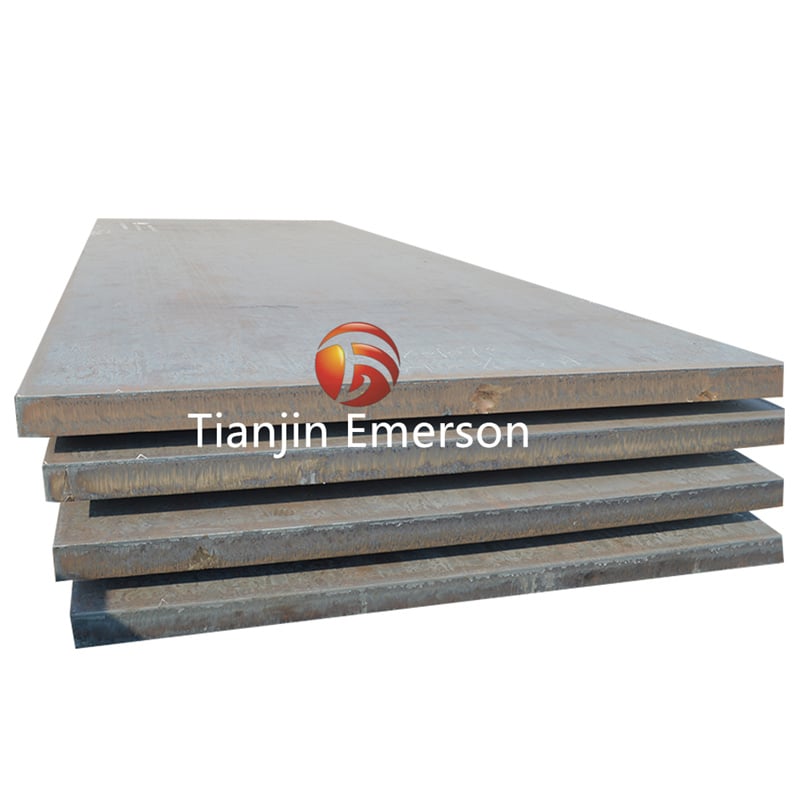
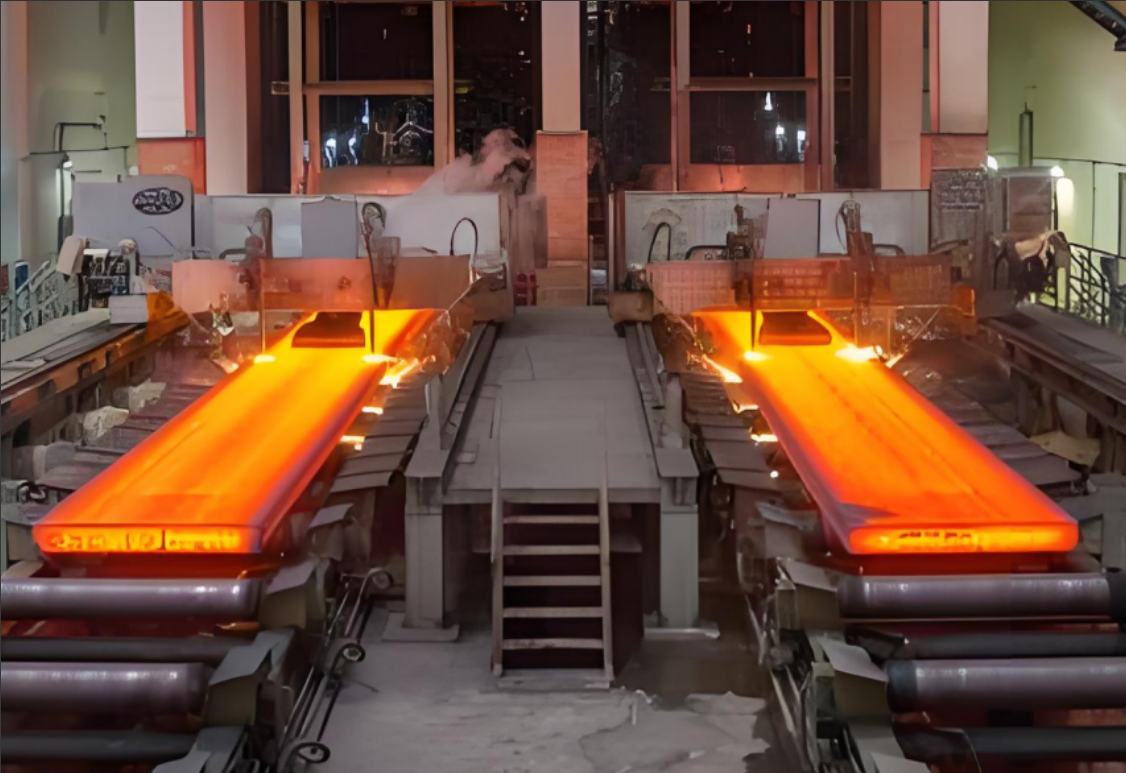
Sheet metal processing, also known as sheet metal fabrication, is a comprehensive manufacturing discipline that transforms flat metal sheets—typically ranging from 0.4mm to 6mm in thickness—into functional three-dimensional components and structures through a series of cutting, forming, joining, and finishing operations. This versatile manufacturing approach encompasses multiple processes including blanking, bending, stretching, welding, and assembly, enabling the production of everything from simple brackets to complex enclosures and structural frameworks. The fundamental principle of sheet metal processing lies in working with uniform-thickness metal sheets, which allows for rapid production without the need for expensive molds in many applications. As a result, sheet metal fabrication has become indispensable across industries ranging from automotive and aerospace to construction, electronics, and industrial machinery.
Cutting Processes: The Foundation of Sheet Metal Fabrication
Cutting operations represent the first critical step in sheet metal processing, transforming raw sheets into precisely sized blanks and profiles. These operations fall into two main categories: shearing and thermal cutting. Traditional shearing methods include mechanical shearing, blanking, and punching, which use press tools to cut metal through shear stress. CNC punching, a modern evolution of traditional stamping, offers high precision and repeatability for medium to high volume production. For complex geometries and high-precision requirements, laser cutting has emerged as the dominant technology, capable of producing intricate profiles with positioning accuracies within ±0.005 inches and minimal heat-affected zones. Laser cutting is particularly suitable for complex structural parts and scenarios requiring tight tolerances. It offers distinct advantages including burr-free edges, the ability to cut virtually any shape, and exceptional flexibility for prototype and low-volume production. Plasma cutting provides an alternative for thicker materials where laser capabilities are limited, while waterjet cutting offers a cold-cutting solution for heat-sensitive materials.
Bending and Forming: Creating Three-Dimensional Geometry
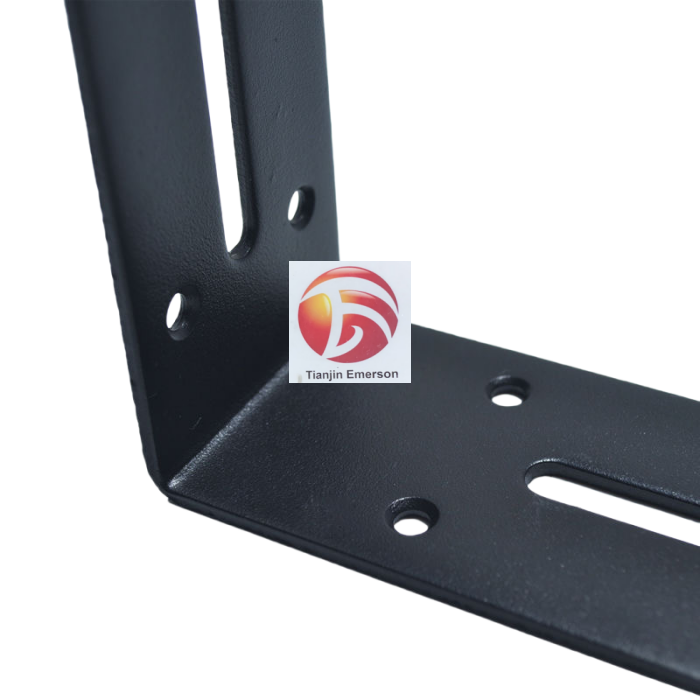
Bending operations transform two-dimensional flat blanks into three-dimensional shapes through controlled plastic deformation. This is typically accomplished using press brakes, which apply force through matched punch and die sets to create precise angles and profiles. The bending process requires careful calculation and consideration of material thickness, bend angle, and springback—the tendency of metal to partially return to its original shape after forming. Advanced CNC press brakes with real-time angle measurement and automatic crowning systems achieve bend angle tolerances within ±0.3 degrees, compensating for material variations and tool deflection. Beyond simple V-bending, forming operations encompass a wide range of techniques including roll forming for long profiles, deep drawing for seamless three-dimensional shapes, embossing for surface patterns, and flanging for edge reinforcement. Incremental sheet forming has emerged as a flexible technique for small batches and prototyping, allowing complex shapes to be produced without dedicated tooling. The versatility of bending and forming makes these processes essential for producing enclosures, chassis, brackets, and structural components across all industries.
Joining and Assembly: Welding and Mechanical Fastening
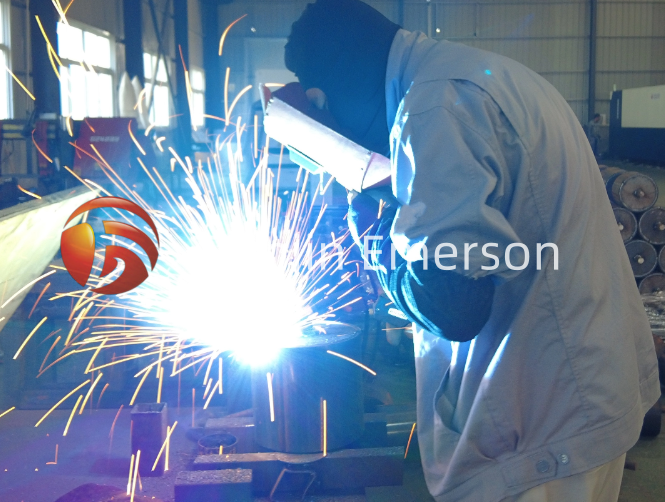
Joining operations assemble individual components into complete structures, with welding being the most common method for permanent assembly. Sheet metal welding employs various techniques including TIG (GTAW), MIG (GMAW), spot welding, laser welding, and gas-shielded welding. For thin-gauge sheet metal, spot welding and laser welding provide precise, localized heat input that minimizes distortion. TIG welding offers superior control and weld quality for stainless steel and aluminum components, while MIG welding provides high deposition rates for carbon steel fabrications. In mass production, positioning tools and fixtures ensure accurate spot welding location and repeatable quality. Mechanical fastening methods—including riveting, clinching, and bolting—provide alternatives to welding where disassembly is required or where heat input would compromise material properties. The choice of joining method depends on material type, thickness, production volume, and the structural requirements of the finished assembly.
Surface Treatment and Finishing: Protection and Aesthetics
Surface finishing represents the final critical stage in sheet metal processing, protecting components from corrosion while enhancing appearance and functionality. Common finishing processes include electrostatic powder spraying, liquid painting, galvanizing, and anodizing. Powder coating, applied through electrostatic spraying followed by oven curing, produces a durable, wear-resistant finish available in a wide range of colors and textures. Electrostatic powder spraying or liquid paint application follows the forming and welding stages to complete the fabrication cycle. For outdoor or corrosive environments, hot-dip galvanizing provides superior corrosion protection through sacrificial zinc coating. Surface treatment not only extends product life but also meets aesthetic requirements for consumer-facing applications, making it an integral part of the sheet metal processing workflow.
Applications Across Major Industries
Sheet metal processing serves as the backbone of manufacturing across virtually every industrial sector. In the automotive industry, sheet metal fabrication produces body panels, chassis components, structural reinforcements, and exhaust systems. The demand for lightweight, durable components drives continuous innovation in forming and joining technologies. In aerospace and defense, precision sheet metal components are essential for aircraft structures, engine housings, and satellite systems, where tight tolerances and material integrity are paramount. The construction industry relies on sheet metal for roofing, cladding, HVAC ductwork, and structural framing elements. Electronics and telecommunications manufacturers utilize sheet metal for enclosures, server racks, heat sinks, and shielding components. Other major application areas include industrial machinery, medical equipment, renewable energy systems, agricultural implements, and consumer appliances. From refrigerators and filing cabinets to computer chassis and beverage cans, sheet metal products are ubiquitous in daily life. The global sheet metal market continues to expand, driven by construction activity and the increasing adoption of lightweight materials for fuel efficiency.
Emerging Technologies and Future Trends
The sheet metal processing industry is undergoing significant transformation through automation, digitalization, and sustainable practices. Connected machines with real-time data monitoring enable predictive maintenance and process optimization. Artificial intelligence and machine learning are being integrated into quality control, nesting optimization, and production scheduling. Robotic automation is moving from isolated "helpers" to complete, integrated material flow systems. Energy and resource efficiency have become hard business requirements, driving adoption of more efficient equipment and processes. Laser cutting technology continues to advance with higher power fiber lasers and improved beam shaping, pushing the boundaries of speed, precision, and material thickness capability. These technological advancements, combined with growing demand from automotive, aerospace, and construction sectors, position sheet metal processing as a dynamic and essential manufacturing discipline for the foreseeable future.