Fundamental Differences in Chemical Composition
The primary distinction between carbon steel plate and alloy steel plate lies in their chemical composition. Carbon steel is primarily an alloy of iron and carbon, with carbon content typically ranging from 0.05% to 2.0% by weight, and only trace amounts of other alloying elements such as manganese, silicon, and copper. It is classified into three categories based on carbon content: low-carbon steel (<0.25% C), medium-carbon steel (0.25%–0.60% C), and high-carbon steel (0.60%–2.0% C). In contrast, alloy steel plate contains significant amounts of additional alloying elements—such as chromium, nickel, molybdenum, manganese, silicon, vanadium, and boron—deliberately added to enhance specific mechanical or physical properties. By definition, steel is considered "alloy steel" when the total content of these additional elements exceeds 5% of the total composition. This fundamental compositional difference is the primary driver behind all other performance variations between these two material categories.
Mechanical Properties and Strength Characteristics
The mechanical properties of carbon steel and alloy steel plates differ significantly due to their distinct chemical compositions and microstructures. Carbon steel plates offer good strength and hardness that increase with carbon content. Low-carbon steel provides excellent ductility, weldability, and formability with yield strengths typically ranging from 250–400 MPa. Medium-carbon steel delivers higher strength and wear resistance with yield strengths of 350–550 MPa, while high-carbon steel offers maximum hardness and wear resistance with yield strengths of 400–600 MPa. However, carbon steel generally has lower hardenability, as the strengthening effect of carbon alone is limited without additional alloying elements.
Alloy steel plates, through the strategic addition of alloying elements, achieve superior mechanical properties. Chromium (Cr) increases hardenability, strength, and corrosion resistance; nickel (Ni) improves toughness and impact strength; molybdenum (Mo) enhances high-temperature strength and hardenability; manganese (Mn) increases hardenability and tensile strength; and vanadium (V) refines grain structure and improves toughness. Through these alloying additions and controlled heat treatment, alloy steel plates can achieve yield strengths ranging from 400 MPa to over 1000 MPa, with exceptional toughness, wear resistance, and fatigue strength. For example, ASTM A514, a quenched and tempered alloy steel plate, offers a minimum yield strength of 100 ksi (690 MPa), making it ideal for high-stress structural applications requiring weight reduction.
Corrosion Resistance and Environmental Performance
Corrosion resistance represents another critical difference between these two material families. Carbon steel plates have limited inherent corrosion resistance due to the absence of protective alloying elements; they form rust when exposed to moisture and oxygen, requiring protective coatings such as paint, galvanizing, or other surface treatments to prevent corrosion in service. Carbon steel is susceptible to pitting and crevice corrosion in chloride environments and is generally not recommended for service in corrosive media without appropriate protection.
Alloy steel plates, particularly those containing chromium, nickel, and molybdenum, offer enhanced corrosion resistance. Stainless steel grades (a subset of alloy steels) with chromium content above 10.5% form a self-healing passive oxide layer that protects against corrosion in a wide range of environments. Weathering steel grades (such as ASTM A588) contain copper, chromium, nickel, and phosphorus, developing a stable, protective rust patina that eliminates the need for painting in many applications. For demanding corrosive environments, alloy steel plates with nickel-chromium-molybdenum compositions (ASTM A387 for elevated temperature service) or specially formulated grades for sour service applications in oil and gas production can provide decades of maintenance-free service.
Weldability and Fabrication Considerations
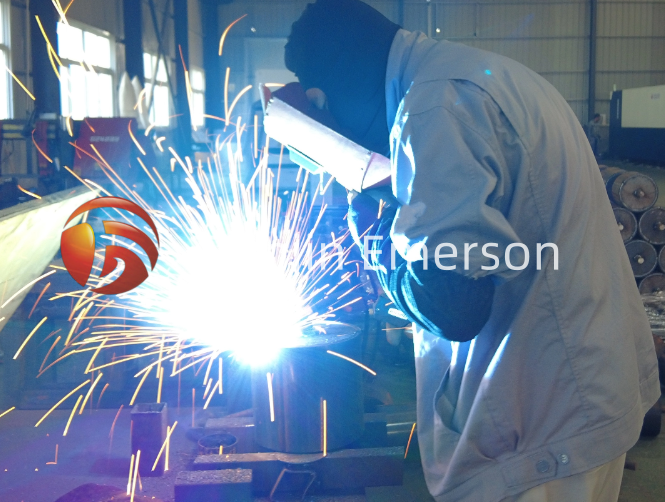
Carbon steel plates generally offer excellent weldability, particularly low-carbon grades (A36, A572 Grade 50). These steels can be welded using conventional methods without special preheating or post-weld heat treatment for most thicknesses. The welding procedures are well-established and widely understood, contributing to efficient fabrication and lower costs. However, high-carbon steels require careful preheating and post-weld heat treatment to prevent hydrogen-induced cracking.
Alloy steel plates present more complex welding requirements. The presence of alloying elements increases hardenability and carbon equivalent values, making these steels more susceptible to hydrogen-induced cracking in the heat-affected zone (HAZ). Welding alloy steel plates typically requires preheating to specific temperatures (100–300°C depending on grade and thickness), strict control of interpass temperatures, low-hydrogen welding consumables, and frequently post-weld heat treatment (stress relieving or tempering) to restore toughness and reduce residual stresses. For example, welding ASTM A514 requires preheating of 100–200°C with interpass temperatures not exceeding 200°C. While the welding process is more demanding and requires greater technical expertise, the resulting weldments achieve mechanical properties matching the high-performance base material.
Cost Considerations and Availability
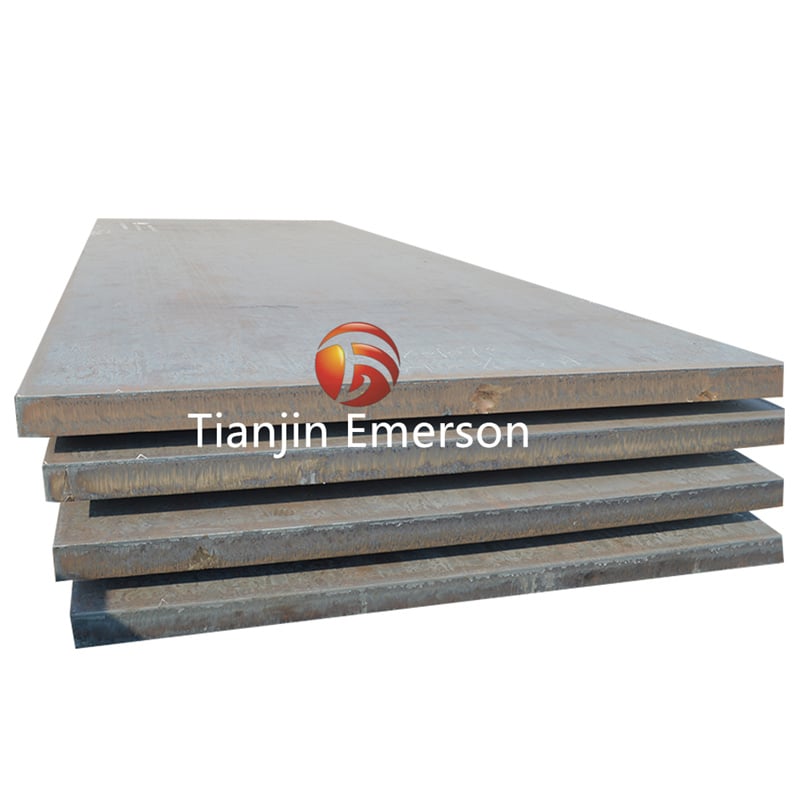
Carbon steel plates are generally less expensive than alloy steel plates due to their simpler chemical composition and more straightforward manufacturing processes. The lower material cost and excellent fabricability make carbon steel the default choice for general structural applications where extreme performance requirements are not mandated. Carbon steel is widely available in standard grades, shapes, and sizes from numerous producers worldwide, ensuring competitive pricing and short lead times.
Alloy steel plates command a higher cost due to the added alloying elements, more complex production processes, and often more stringent quality control requirements. However, in applications where the enhanced performance characteristics of alloy steel can be leveraged—such as reducing weight while maintaining strength, extending service life in corrosive environments, or enabling operation at elevated temperatures—the higher initial material cost is often justified by lifecycle cost savings and improved equipment reliability. For specialized applications, alloy steel plates may be available only from select mills with extended lead times.
Application Domains and Selection Criteria
The choice between carbon steel and alloy steel plates is driven by specific application requirements. Carbon steel plates are the material of choice for general construction, structural frames, bridges, building columns and beams, and general machinery components where moderate strength and cost-effectiveness are paramount. They are also used for pressure vessels (ASTM A516), pipelines and process piping (API 5L), ship hulls, storage tanks, and heavy equipment bases.
Alloy steel plates are specified for demanding applications requiring enhanced properties. High-strength low-alloy (HSLA) steels find extensive use in bridges, heavy equipment, and transportation applications where weight reduction is critical. Chromium-molybdenum alloy steels (ASTM A387) are essential for pressure vessels and boilers operating at elevated temperatures. Wear-resistant alloy steel plates (AR400, AR500) are used for mining equipment, excavator buckets, and material handling components subject to severe abrasion. Weathering steel plates are specified for bridge applications where the protective patina eliminates painting costs and reduces lifetime maintenance. Quenched and tempered alloy steel plates (ASTM A514) serve as crane booms, heavy vehicle frames, and high-stress structural components requiring exceptional strength-to-weight ratios. In selecting between carbon and alloy steel plates, engineers must evaluate the service environment, required mechanical properties, fabrication capabilities, lifecycle costs, and availability to ensure optimal performance and value.