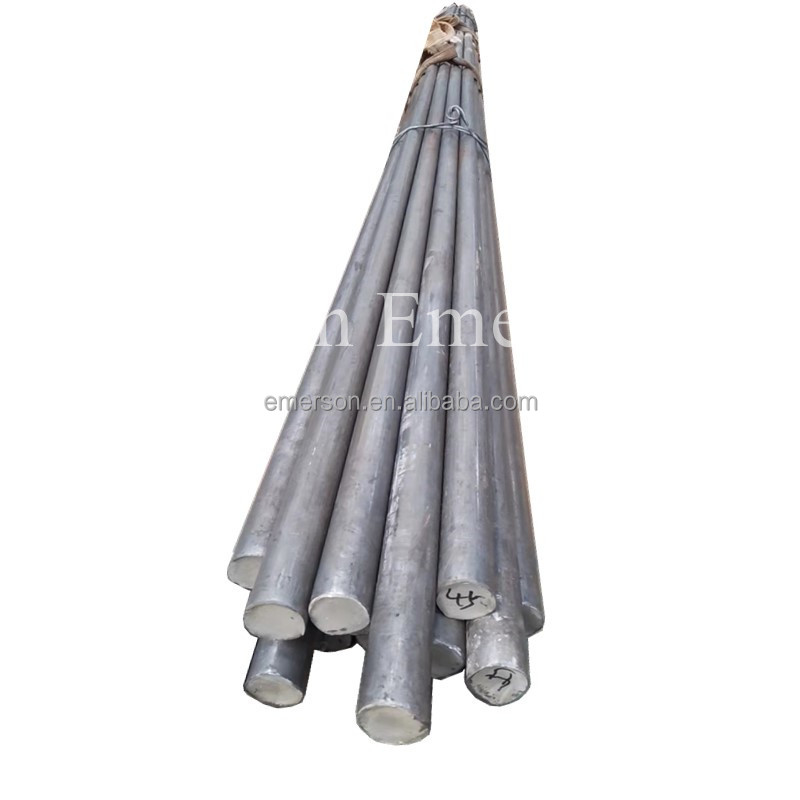
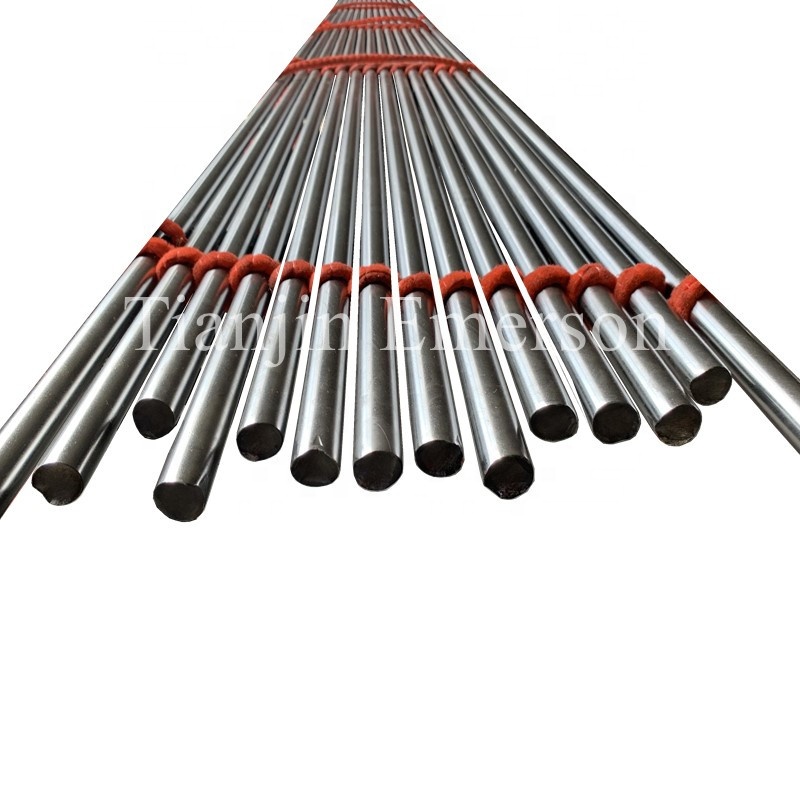
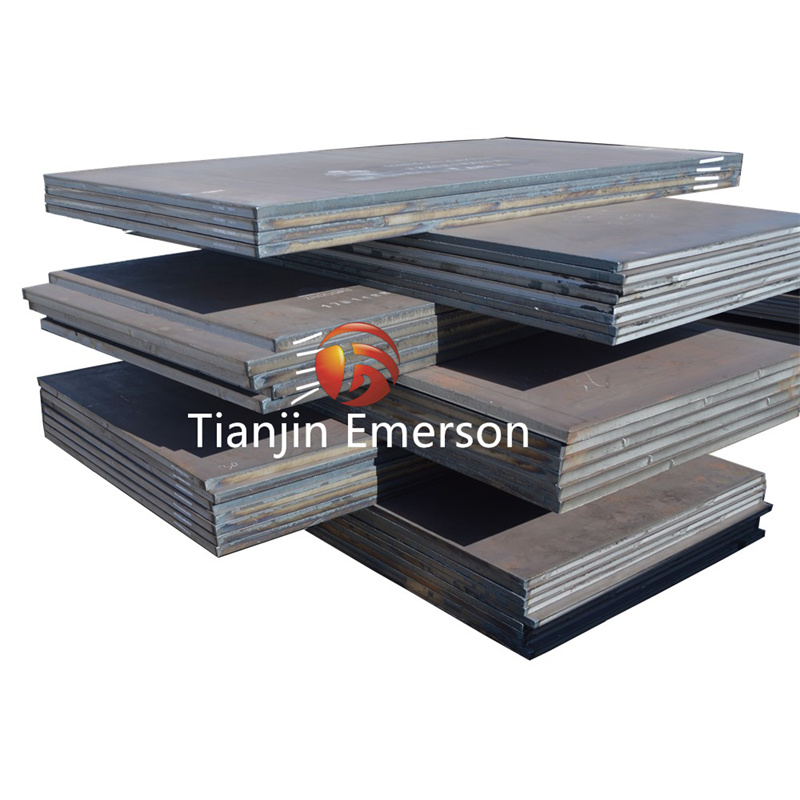
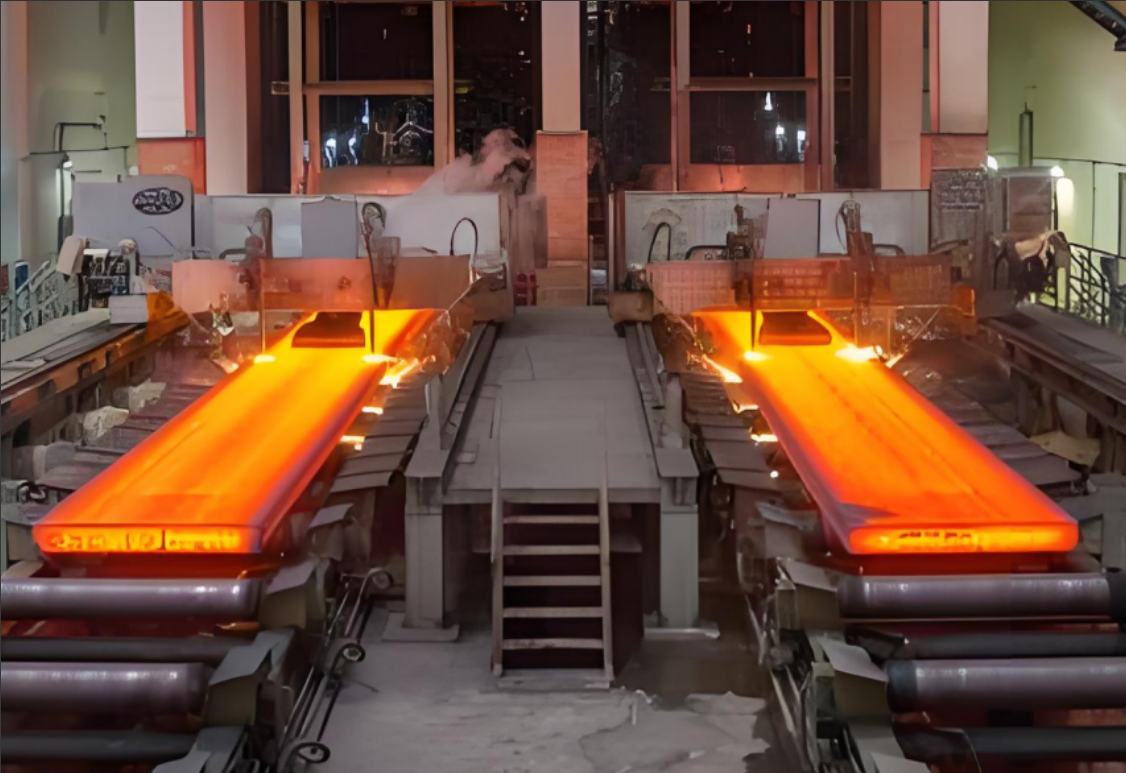
Cold-drawn steel bars are a high-end category of long products manufactured through specialized cold-working processes. The manufacturing process begins with hot-rolled steel bars—whether cut-to-length bars or wire rod—which first undergo rigorous surface cleaning via shot blasting or acid pickling to remove the stubborn scale formed during the hot-rolling process. Subsequently, the cleaned material is drawn through carbide dies at room temperature under high-pressure lubrication. This cold-working operation, typically performed on a wire drawing machine, rearranges and compresses the steel’s crystal lattice, thereby producing a strain-hardening effect. This not only significantly increases yield strength and tensile strength but also improves surface finish and enables precise dimensional control.After drawing, the bars are straightened and cut to the specified length, and may undergo further finishing processes such as turning, grinding, or polishing, depending on the application requirements.
The differences between cold-drawn steel bars and hot-rolled steel bars are fundamental and directly influence material selection for specific applications. Hot-rolled steel bars typically feature a scaly surface texture, have wider dimensional tolerances (typically ±0.009 inches for a 1-inch diameter bar), and exhibit mechanical properties primarily determined by chemical composition and cooling rate. In contrast, cold-drawn steel bars offer four key advantages: First, the cold-drawing process imparts a bright, smooth, and refined surface finish—typically ranging from 32 to 125 micro-inches—free of hard scale that accelerates tool wear and contaminates metalworking fluids. Second, dimensional accuracy is significantly improved; cold-drawn bars have a tolerance range of ±0.002 inches for a 1-inch diameter, which is four times tighter than that of comparable hot-rolled products.Third, cold working strain can increase the yield strength and tensile strength of the work-hardened zone by approximately 10% to 20%, which typically eliminates the need for subsequent costly heat treatment. Fourth, and perhaps most importantly for machining applications: cold drawing can improve machinability by 15% to 20%, thereby enabling higher cutting speeds, improving the surface finish of the workpiece, and extending tool life. However, this improvement in machinability comes with certain trade-offs: the cold drawing process reduces ductility (elongation and reduction of area) and may leave surface defects such as seams, particularly in re-sulfurized steel, where sulfur—while promoting better machinability—also increases the likelihood of surface discontinuities.
The selection of materials for cold-drawn steel bars encompasses a wide variety of steel grades, each designed to meet the diverse application requirements of multiple industries. Carbon steel grades such as 1018, 1045, and 12L14 are readily available and commonly used in general machining applications; among these, 12L14 offers excellent machinability due to its lead content and low sulfur content. Alloy steel grades such as 4140, 4150, and 8620 offer higher strength, hardenability, and toughness, making them suitable for demanding applications such as gears, shafts, and power transmission components. These materials exhibit predictable behavior during subsequent heat treatment operations: surface-hardenable grades like 8620 form a uniform, hard surface layer supported by a ductile, tough core; while direct-hardening alloys such as 4140 can achieve a wide range of strength grades through quenching and tempering. Stainless steel grades in the 300 and 400 series are also available in cold-drawn forms, suitable for applications requiring a combination of corrosion resistance and improved mechanical properties. Cold-drawn bar sizes typically range from 2 mm to 100 mm in diameter for round bars, with corresponding sizes available for square, hexagonal, and flat bars. These bars feature standard straightness tolerances of 1 mm per meter or better, ensuring reliable performance in high-speed machining.
When selecting and applying cold-drawn steel bars, key considerations extend beyond basic material properties to include processing requirements and expected performance in the final application. For applications involving subsequent machining, the excellent machinability and stable dimensional control of cold-drawn steel bars can directly shorten processing cycles, extend tool life, and improve part quality—a benefit that is particularly evident in automatic threading lathes and CNC turning centers. The increase in yield strength resulting from cold working allows for the use of smaller-diameter steel bars to meet equivalent load requirements, thereby contributing to weight reduction in the automotive and aerospace sectors. However, designers must recognize that the cold-drawing process generates internal stresses; if not properly managed, these can lead to warping during machining. For applications where stability is critical, it may be necessary to use stress-relieved cold-drawn steel bars that comply with the ASTM A311 standard.
Considerations regarding surface quality also influence material selection—although cold-drawn bars offer excellent surface finish, applications requiring an absolutely flawless surface may necessitate turning or grinding processes to completely remove the outer surface layer. Standard lengths range from 2.5 to 6 meters, with custom cutting services available upon request; unless otherwise specified, steel bars are typically oiled to prevent rust. By understanding these material properties, processing capabilities, and application requirements, manufacturers can fully leverage the unique advantages of cold-drawn steel bars to achieve optimal performance, production efficiency, and component reliability in the automotive, machinery, oil and gas, and general manufacturing sectors.