High-Strength Low-Alloy (HSLA) Steel: The Backbone of Modern Infrastructure
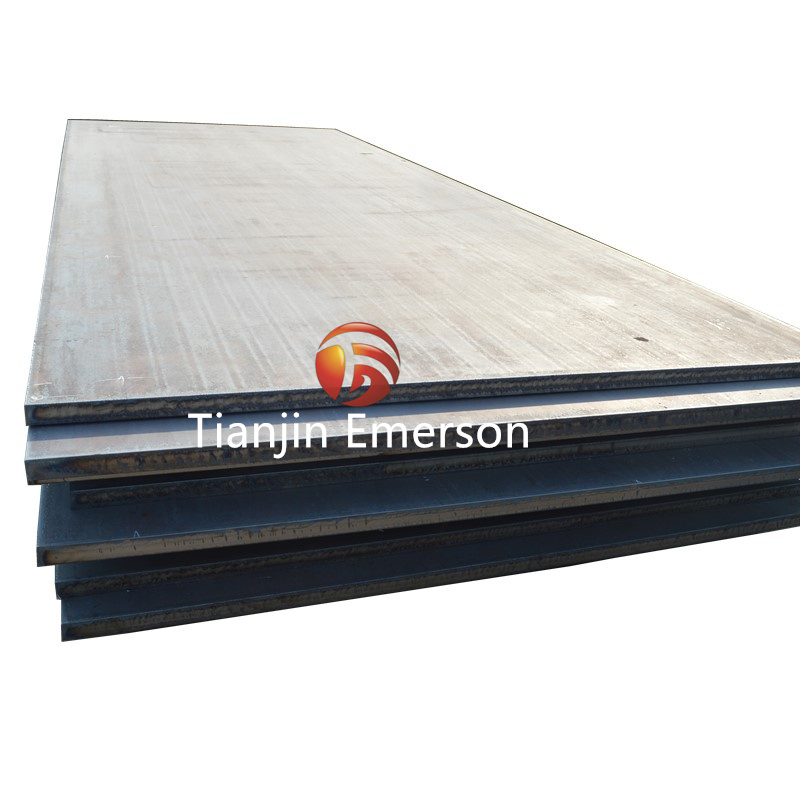
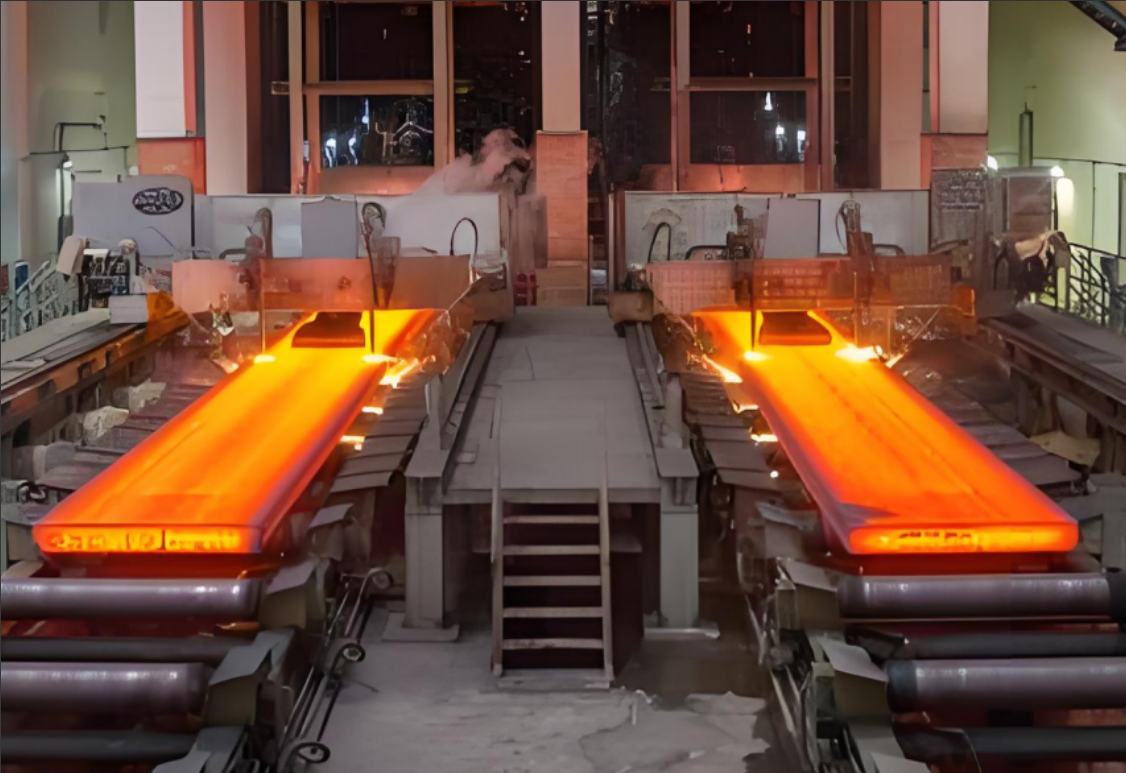
High-strength low-alloy (HSLA) steel represents a significant advancement in structural materials, offering a superior strength-to-weight ratio compared to traditional carbon steel. By incorporating small amounts of alloying elements such as vanadium, niobium, titanium, copper, and molybdenum, HSLA steel achieves enhanced mechanical properties while maintaining a relatively low carbon content. This unique combination results in a material that is not only stronger and tougher but also more lightweight, adding reinforced stability to structures without burdening them with excessive weight. In the construction sector, HSLA steel is widely used in the construction of durable skyscrapers, bridges, pipelines, and other large-scale engineering structures. Key grades such as ASTM A572 are economically priced and widely used in infrastructure projects, including buildings, transmission towers, and construction equipment, offering a higher yield point and tensile strength than standard mild steel. This makes HSLA steel the material of choice for projects where reducing structural weight is critical without compromising on strength and durability.
Weathering Steel: Self-Protecting Durability for Exposed Structures
Weathering steel, commonly known by the trade name Cor-Ten, is a high-strength low-alloy steel developed with specific alloying elements—including manganese, silicon, chromium, nickel, copper, and phosphorus—to provide enhanced atmospheric corrosion resistance. When exposed to the atmosphere, weathering steel initially corrodes and then develops a stable, protective "rust" patina that limits further oxidation. This self-protecting mechanism significantly increases its corrosion resistance over mild carbon steel, eliminating the need for protective paint coatings in many applications. Weathering steel is commonly used in large structural applications such as bridges—exemplified by the New River Gorge Bridge—and in buildings like the Barclays Center and the John Deere World Headquarters. Its distinctive distressed, antique appearance has also made it a popular choice for outdoor sculptures and architectural structures. The material's ability to withstand outdoor environments without additional paint not only reduces initial construction costs but also minimizes long-term maintenance requirements, making it particularly valuable for bridges, building facades, and other exposed structural applications.
Galvanized Steel: Corrosion Protection for Building Envelopes and Components
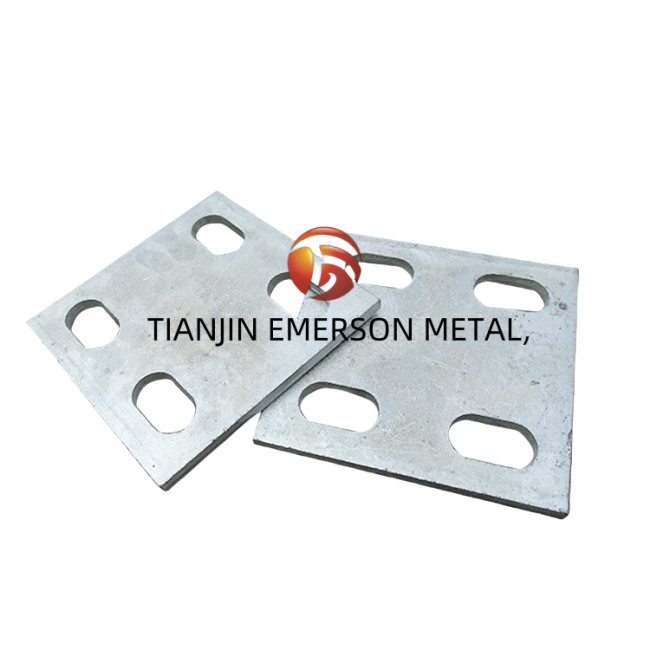
Hot-dip galvanized steel is specified for building and architectural applications where long-term corrosion protection is essential. The process involves coating steel with a protective zinc layer that provides both barrier and cathodic protection, extending the service life of structural elements. In the construction sector, galvanized steel finds extensive applications in architectural panels, beams, columns, handrails, railings, stair stringers, roof trusses, and fire escapes. In residential construction, it is used for framing, roofing, rainware (gutters and downspouts), ductwork, and household appliances. The material is also commonly used for fencing, such as chain link and welded wire fencing, due to its strength, durability, and resistance to rust and corrosion. Beyond its protective qualities, hot-dip galvanized steel is considered aesthetically pleasing, with a contemporary, industrial appearance that is becoming a popular architectural choice. Its durability and maintenance-free quality make it particularly suitable for outdoor structures, from bridges and lighting columns to multi-storey car parks and recycling plants.
Stainless Steel: Structural Resilience in Corrosive Environments
Stainless steels, characterized by high chromium content, offer good to excellent corrosion resistance in many environments. In the building and infrastructure sector, stainless steels are effectively used to provide structural resilience in corrosive environments, improved operational reliability of structural assets, and low-maintenance, low-cost structures. Stainless steel 316L is specifically specified for coastal and chemical environments where corrosion resistance is paramount. Architecturally, stainless steel is used in structural elements, claddings, roofing, interior claddings, curtain walls, staircases, handrails, structural supports, rainwater collection systems, and solar panel frameworks. Cold-formed stainless steel offers exceptional durability, superior corrosion resistance, and ease of reuse, making it an ideal material for sustainable building solutions. While stainless steel is sometimes perceived as a high-cost material, when correctly selected for each application, it offers the ability to lightweight structures with no loss of structural integrity. Its high strength-to-weight ratio ensures secure load transfer, and its inherent durability makes it an ideal solution for applications where structural reliability and long-term performance are critical.
Aluminum Alloys: Lightweight Solutions for Modern Architecture
Aluminum has evolved from an alternative material to a fully-fledged building material in the construction industry. The 6000 series alloys, including EN AW 6060 T66 and EN AW 6063 T66, are widely used due to their unique combination of strength, formability, and corrosion resistance. These alloys are particularly well-suited to extrusion, making them highly versatile for architectural and structural applications. Key characteristics include strong mechanical properties suitable for load-bearing applications, excellent extrusion behavior enabling complex shapes and thin wall sections, high corrosion resistance ideal for outdoor use and humid environments, and good weldability and machinability for post-processing and assembly. In construction, 6000 series alloys are widely used in façade systems (profiles for frames, curtain walls, and sun shading), modular constructions (frames for charging stations, technical housings, and prefabricated elements), infrastructure (bridge components, rail structures, and lighting columns), and interior construction (profiles for partition walls, staircases, and balustrades). Aluminum is also fully recyclable without loss of quality, making it particularly suitable for circular applications. Its low weight also makes aluminum ideal for transport and manual installation. When produced from recycled-content billets or billets manufactured using renewable energy, it meets the requirements of EPD-compliant applications and aligns with certification systems such as BREEAM, LEED, and the Dutch National Environmental Database.
Material Selection Criteria for Construction Projects
The selection of appropriate alloy materials for construction projects depends on several critical factors. Construction alloys must provide predictable mechanical properties for structural calculations, weldability in field conditions, fire resistance (maintaining 60% strength at 600°C), corrosion resistance over 50-100 year design lives, and compliance with building codes (AISC, Eurocode 3). Seismic zones require high ductility and energy absorption capacity. Structural carbon steels A36 and A992 form the backbone of building frames, while weathering steel (Corten A/B) develops a protective rust patina, eliminating the need for paint in bridges and facades. Stainless steel 316L is specified for coastal and chemical environments, and aluminum 6063-T5 is the standard for window frames and curtain walls. Rebar grades 60 and 75 (ASTM A706) provide earthquake-resistant reinforcement. Cost and local availability remain primary selection factors. The shift toward sustainable building practices is driving demand for longer-lasting, recyclable, and lower-carbon alloys. As the construction industry continues to evolve, the strategic selection and application of alloy raw materials will remain fundamental to achieving structural integrity, longevity, and sustainability in the built environment.