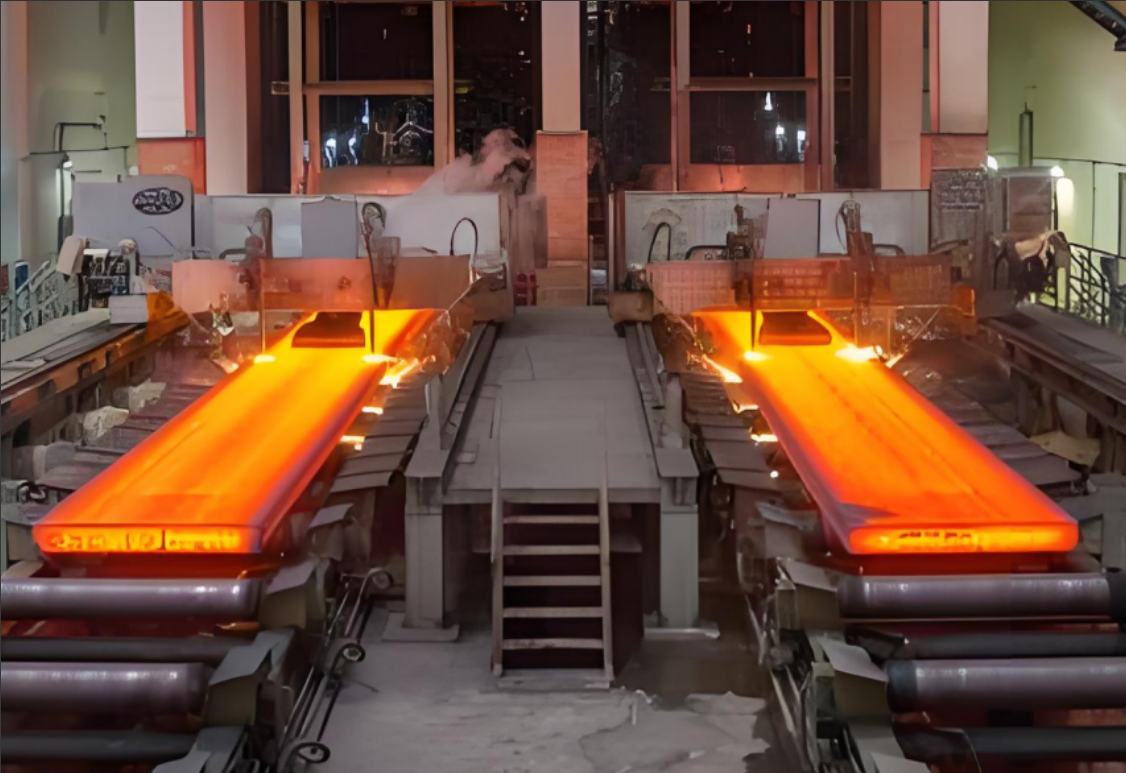
Material Preparation: The Foundation of Precision Cutting
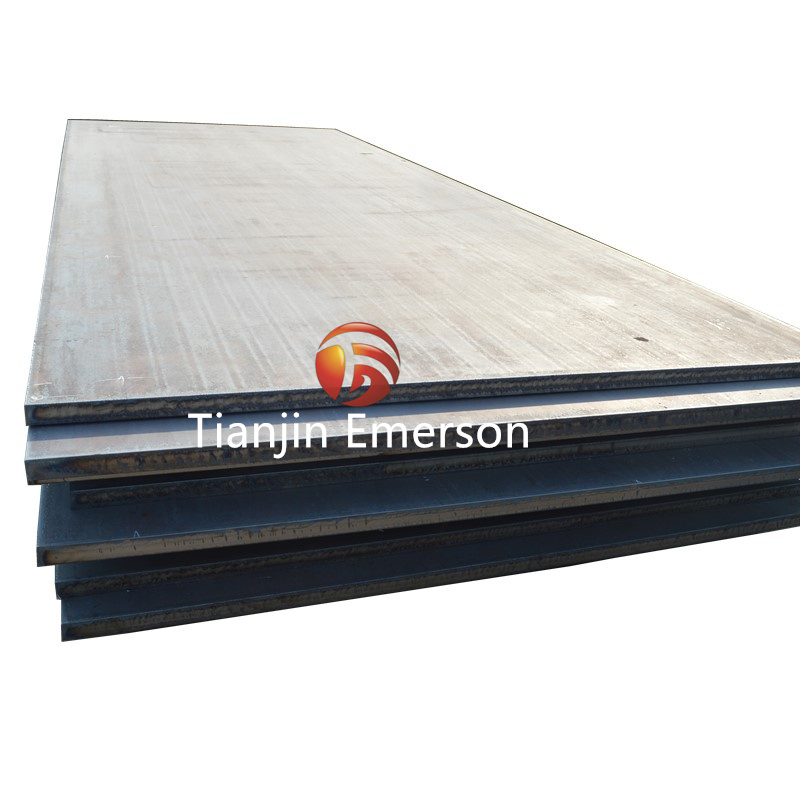
The production of steel plate cutting parts begins with rigorous material preparation, a stage that directly determines the quality and consistency of the final components. Raw steel plates—available in various grades including carbon steel (such as Q235B), stainless steel, and alloy steel—must first undergo surface inspection to identify any defects such as cracks, scale, or contamination that could compromise cutting quality. For carbon steel plates, the manufacturer and specific grade are important conditions that influence cutting parameters and outcomes. Prior to cutting, plates are typically leveled to eliminate residual stresses and ensure flatness, which is essential for maintaining dimensional accuracy throughout the cutting process. Material thickness is verified against specifications, as different cutting methods have distinct thickness capabilities. For high-precision applications, plates may undergo surface cleaning to remove oils and debris that could interfere with laser or plasma cutting. Proper material preparation ensures that the cutting operation begins with a consistent, predictable substrate, reducing the risk of defects and improving overall yield.
Cutting Technologies: Laser, Plasma, and Oxy-Fuel Methods
The core of steel plate cutting parts production lies in the selection and application of appropriate cutting technologies, each offering distinct advantages based on material type, thickness, and precision requirements. Fiber laser cutting uses a focused high-power beam—typically 2kW to 12kW—that melts and vaporizes metal along a CNC-programmed path. This method delivers exceptional precision with tolerances as tight as ±0.05mm, clean edges, and minimal heat-affected zones. Laser cutting is ideal for thin to medium plates up to 25mm thickness and produces parts with tight tolerances that often eliminate secondary machining operations. Plasma cutting employs an accelerated jet of hot plasma to melt and sever metal, offering a faster and more cost-effective solution for medium to thick plates. Plasma cutting handles thicknesses from 3mm to over 50mm with typical precision of ±0.5–1.0mm, making it suitable for structural brackets and heavy industrial components. Oxy-fuel (flame) cutting relies on preheating the steel to its ignition temperature followed by a high-purity oxygen stream that oxidizes the iron in a narrow band. This method is economical for cutting mild steel plates of 2 inches (approximately 50mm) thickness or greater and remains widely used in shipbuilding and heavy fabrication. For extremely thick plates exceeding 250mm, specialized oxy-fuel techniques with preheating to 110°C are employed. Additional cutting methods include waterjet cutting for heat-sensitive materials and shearing for thinner plates up to 40mm thickness. Modern fabrication facilities often integrate multiple cutting technologies—such as robotic plasma/laser combination lines—to achieve rapid cutting, drilling, end-beveling, and automatic marking in a single workflow.
CNC Programming and Nesting Optimization
Modern steel plate cutting relies heavily on computer numerical control (CNC) programming and nesting optimization to maximize material utilization and production efficiency. CNC systems convert engineering drawings into precise toolpaths that guide the cutting head along the programmed contours. Advanced nesting software arranges multiple parts on a single steel plate to minimize waste, often achieving material utilization rates exceeding 85%. The nesting process considers part geometry, cutting sequence, and thermal effects to reduce distortion and optimize cutting time. For laser cutting, parameters such as cutting speed, defocusing amount, assist gas pressure, and laser power must be carefully selected based on the specific steel grade and thickness. Studies have shown that for Q235 steel plates, optimal parameters include gas pressure of 0.8 MPa, laser power of 4 kW, and cutting speed of 3.5 mm/s. For plasma cutting, ISO 9013:2002 provides internationally recognized standards specifying permissible tolerances for thermal cutting processes across thicknesses from 0.5mm to 150mm. CNC programming also enables the creation of complex geometries, including bevels, holes, and contours, that would be difficult or impossible to achieve with manual methods.
Quality Control and Dimensional Inspection
Quality control is integrated throughout the steel plate cutting process to ensure that finished parts meet specified dimensional tolerances and surface quality requirements. ISO 9013:2017 provides geometrical product specifications and quality tolerances for thermal cuts, applicable to flame cuts from 3mm to 300mm, plasma cuts from 0.5mm to 150mm, and laser cuts from 0.5mm to 32mm. For laser-cut parts, surface roughness, dimensional accuracy, and cut taper are measured to evaluate cutting quality. The kerf geometry—influenced by cutting speed—directly correlates with burr formation and edge oxidation. In plasma cutting, achieving high-quality results requires precise control of entry and exit diameter deviations. Dimensional inspection typically employs coordinate measuring machines (CMMs), calipers, and optical comparators to verify part dimensions against engineering drawings. For critical applications, non-destructive testing methods such as magnetic particle inspection or dye penetrant testing may be employed to detect surface defects. Hardness testing (HV10) may be performed to confirm material suitability for structural applications. Adherence to international standards such as ISO 7452:2013 for hot-rolled steel plates ensures that dimensional tolerances—including thickness, width, and flatness—are maintained within specified limits.
Post-Cutting Operations and Finishing
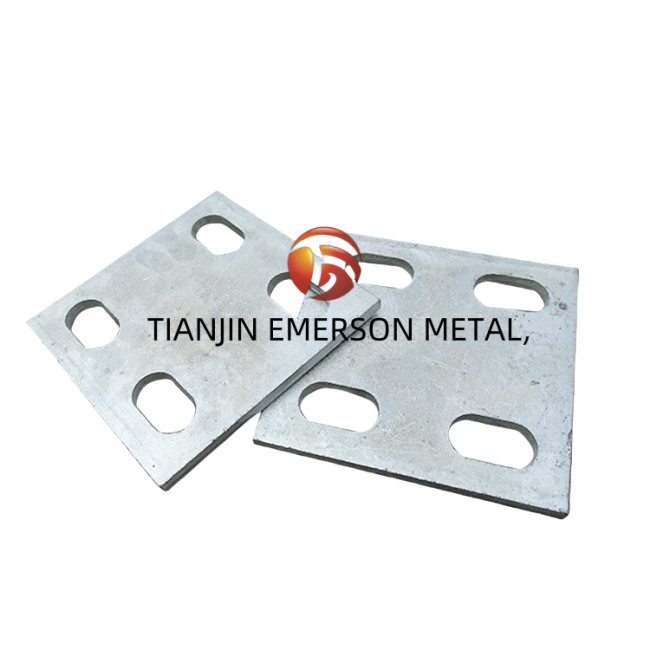
Following the cutting operation, steel plate cutting parts typically undergo a series of finishing processes to prepare them for their final application. Deburring removes sharp edges and burrs created during thermal cutting, improving safety and preparing surfaces for subsequent welding or assembly. Edge preparation may include beveling or chamfering to facilitate welding joints. For parts requiring tight tolerances or superior surface finish, secondary machining operations such as milling, drilling, or grinding may be performed. Surface treatment options include shot blasting to remove scale and oxidation, followed by primer application or painting for corrosion protection. For stainless steel parts, passivation may be applied to restore the passive oxide layer. Heat treatment may be necessary for certain alloy steels to relieve residual stresses induced by thermal cutting. Marking and identification are applied to each part, typically through laser engraving or spray marking, to ensure traceability throughout the supply chain. Finally, finished parts are inspected, packaged, and prepared for shipment to the customer. This comprehensive post-cutting workflow ensures that steel plate cutting parts meet the exacting requirements of industries ranging from construction and automotive to aerospace and heavy machinery manufacturing.