In the diverse field of industrial manufacturing, selecting the appropriate stainless steel is a critical decision that directly impacts the performance, service life, and cost-effectiveness of the final product. The American Iron and Steel Institute (AISI) classifies stainless steel into three major series: 200, 300, and 400. Each series is characterized by its unique metallurgical structure and alloy composition, resulting in distinct mechanical properties and corrosion resistance. As a specialized metal fabrication facility equipped with advanced laser cutting, CNC bending, and welding technologies, we not only provide machining services but also offer expert guidance and customized manufacturing solutions. This ensures every project is built upon the most suitable material foundation.
The 200 series stainless steel includes grades such as 201 and 202, representing an economical austenitic stainless steel. Its composition achieves this by partially substituting manganese and nitrogen for the expensive nickel element found in the 300 series. This formulation provides excellent formability and high tensile strength, making it suitable for applications requiring heavy load-bearing in relatively mild, dry environments. Common applications include structural components such as light poles, automotive frames, and certain household appliances. However, it is important to note that its corrosion resistance—particularly resistance to pitting and intergranular corrosion—is generally lower than that of the 300 series. From a processing perspective, while it can be cut and formed, its work-hardening characteristics differ. Welding requires strict process control to maintain corrosion resistance at the weld seam.
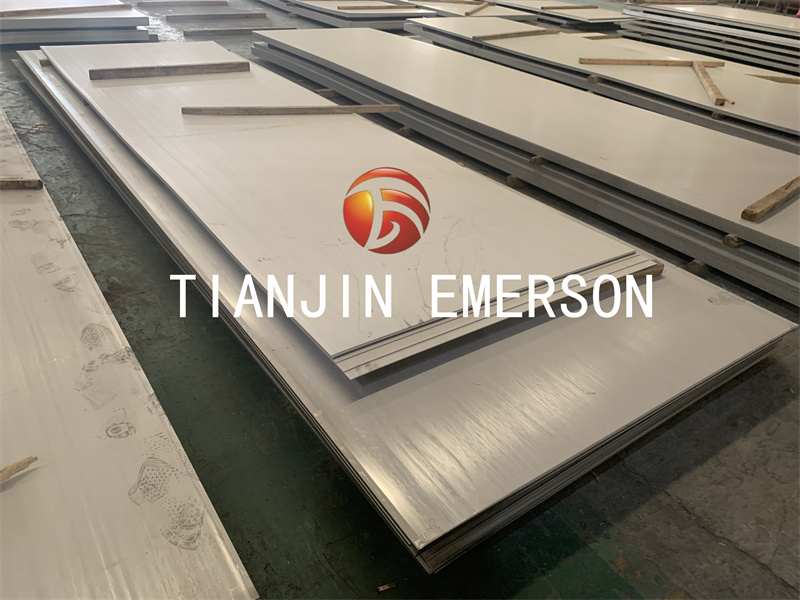
The 300 series is the most widely used family of austenitic stainless steels, renowned for its exceptional corrosion resistance, formability, and non-magnetic properties. At the core of this series is Type 304, an alloy containing chromium (18-20%) and nickel (8-10.5%), which provides outstanding general corrosion resistance in a wide range of atmospheric, chemical, and food-grade environments. For more demanding environments—such as marine chloride or deicing salt applications—type 316, with added molybdenum, significantly enhances resistance to pitting and crevice corrosion. Other variants like 304L (low-carbon type) are specifically engineered for welded structures to prevent sensitization, while Type 321 incorporates titanium to enhance high-temperature stability. The series exhibits outstanding ductility and toughness, making it ideal for deep drawing, spinning, and other demanding forming processes. It seamlessly integrates with modern manufacturing techniques, including high-precision laser cutting and CNC bending, while delivering excellent weldability via TIG or MIG processes. Consequently, 300 series steel plates serve as the material of choice for numerous demanding applications, spanning chemical and food processing equipment, pharmaceutical machinery, architectural cladding, kitchen appliances, and critical components for offshore and marine industries.
In contrast, the 400 series encompasses ferritic and martensitic stainless steels, both of which are magnetic and typically contain very low or no nickel. The most common ferritic grade, 430, offers good corrosion resistance in mild environments and excellent resistance to stress corrosion cracking. Its advantages include a lower coefficient of thermal expansion and lower cost compared to 304, but it exhibits poorer formability and weldability. This series is widely used in automotive interior components, washing machine drums, and interior architectural elements. Martensitic grades (such as 410 and 420) contain higher carbon levels and can be hardened through heat treatment to achieve high strength and hardness, though this reduces corrosion resistance. These steels are typically machined, ground, and heat-treated to produce cutlery, shafts, valves, bearings, and similar products. Processing 400 series steels requires adjusted parameters: ferritic grades like 430 exhibit poor ductility and necessitate specialized bending parameters, while martensitic grades are typically machined or formed before final quenching heat treatment.
We are a factory that not only processes metals but also recommends the optimal series and grades. Whether your project requires 316L stainless steel for top-tier corrosion resistance in marine components, 201 stainless steel for cost-effective strength in dryer chamber structures, or 410 stainless steel for heat-treatable hardness in wear-resistant parts, our facility is equipped with advanced technology and expertise to meet all demands. From precision laser-cut blanks of stock plates to expert bending, welding, and surface finishing, we ensure the inherent properties of your chosen stainless steel are fully realized in the final custom components. This end-to-end service—from material selection to finished product delivery—guarantees exceptional performance, enduring durability, and outstanding value for clients worldwide.