Understanding Bright Bars: Definition and Core Characteristics
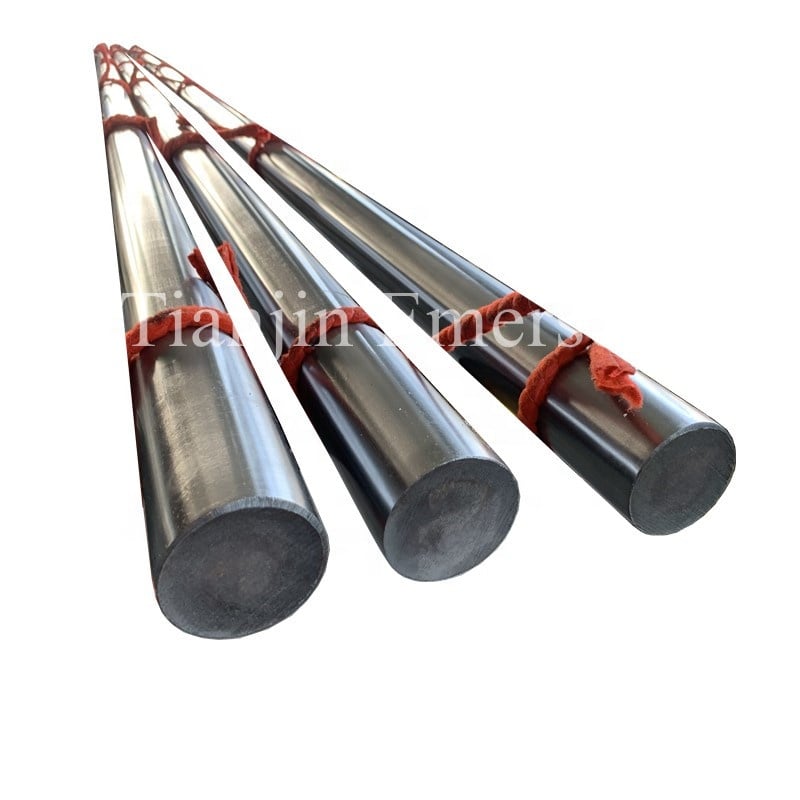
Stainless steel bright-faced round bars, commonly referred to as stainless steel bright bars, are precision-engineered cold-finished long products distinguished by their exceptionally smooth, lustrous surface finish, tight dimensional tolerances, and enhanced mechanical properties. Unlike hot-rolled steel bars, which exhibit a rough, dark scale-covered surface, bright bars undergo additional cold finishing processes that remove surface scale, refine geometry, and produce a polished, mirror-like appearance. These bars are manufactured from austenitic stainless steel grades such as 304, 304L, 316, and 316L, as well as martensitic and ferritic grades, depending on the required corrosion resistance, strength, and machinability. The bright finish is not merely cosmetic; it significantly reduces surface friction, minimizes wear in moving applications, and provides a clean, contaminant-free surface essential for hygienic and precision engineering environments. Available in diameters ranging from 3mm to 500mm and lengths typically from 3 to 6.2 meters, bright bars are supplied in round, square, and hexagonal cross-sections to meet diverse industrial requirements.
The Multi-Stage Manufacturing Process: From Hot-Rolled Billet to Bright-Finished Bar
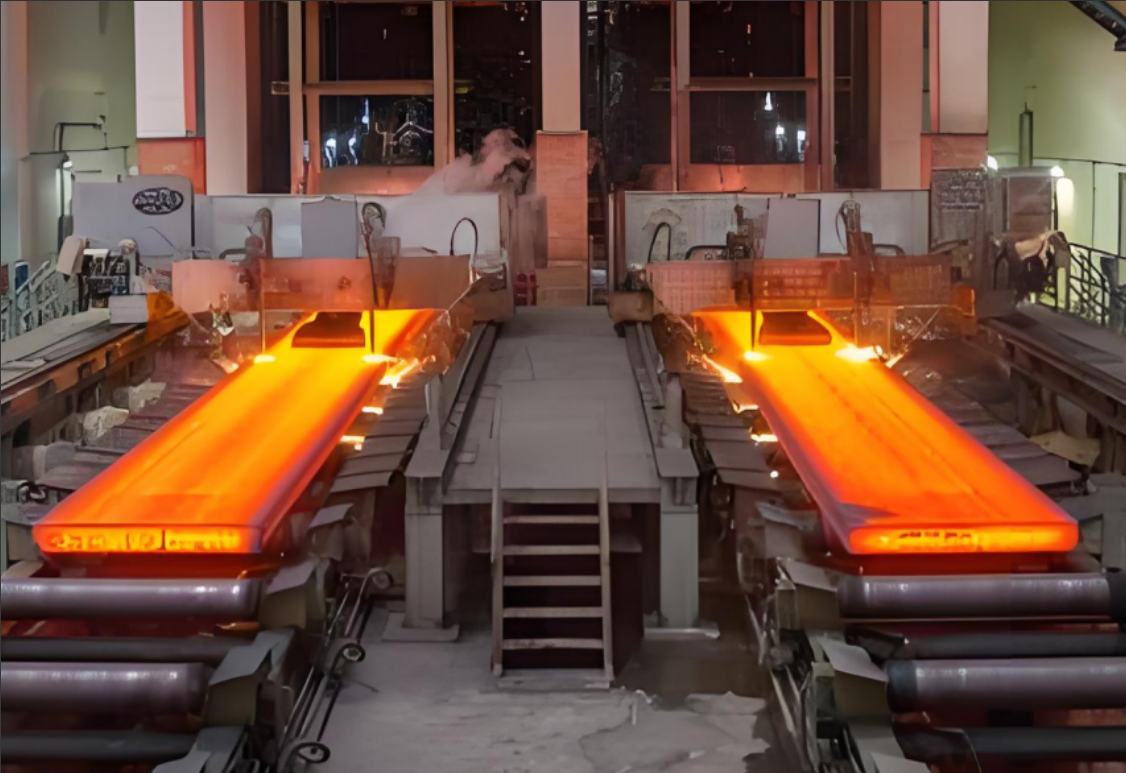
The production of stainless steel bright-faced round bars is a meticulously controlled, multi-stage process that transforms hot-rolled raw material into a precision-engineered finished product. The manufacturing journey begins with the selection and inspection of high-quality stainless steel billets, which are first hot-rolled into black (scale-covered) round bars. These hot-rolled bars undergo initial processing, including annealing to soften the material and relieve internal stresses, followed by pickling in acid solution to remove surface scale, oxides, and impurities. This preparation stage is critical, as any residual scale or contamination would compromise the quality of subsequent cold finishing operations. The core of bright bar production is the cold drawing process, where the pickled bar is pulled through a series of progressively smaller tungsten carbide or high-speed steel dies at room temperature. This cold working operation reduces the diameter, increases the length, and improves dimensional accuracy and surface finish through strain hardening, which also enhances yield and tensile strength. For applications requiring even tighter tolerances and superior surface quality, the cold-drawn bars undergo centerless grinding, which removes the outer layer to achieve precise diameter control and eliminate surface imperfections. Finally, polishing operations impart the characteristic bright, mirror-like finish, producing a surface free from scratches, burrs, and defects. Some manufacturers also employ peeling or turning processes, where the hot-rolled bar is fed into a turning machine to remove the surface layer to the required diameter, offering an alternative to cold drawing for specific dimensional requirements.
Material Grades and Quality Standards
Stainless steel bright-faced round bars are manufactured to rigorous international standards to ensure consistent quality, mechanical properties, and dimensional accuracy. The primary specification governing these products is ASTM A276, which covers hot-finished or cold-finished stainless steel bars, including rounds, squares, and hexagons, in the most commonly used types of stainless steels. Under this standard, common grades include austenitic stainless steels such as 304/304L and 316/316L, which offer excellent corrosion resistance, good weldability, and ease of fabrication. Grade 316/316L, with its molybdenum addition, provides superior resistance to pitting and crevice corrosion in chloride environments, making it particularly suitable for marine and chemical processing applications. Other related specifications include ASTM A479 for stainless steel bars for pressure-containing applications and ASME SA276 for boiler and pressure vessel use. Typical mechanical properties for these grades include tensile strengths of 485–620 MPa and yield strengths of 170–310 MPa, with Vickers hardness ranging from 150 to 200 HV. Bright bars are supplied with various finishes, including cold-drawn, centerless ground, peeled and polished, and rough peeled, each selected based on the specific application requirements for surface quality, dimensional precision, and cost.
Performance Advantages: Precision, Strength, and Corrosion Resistance
Stainless steel bright-faced round bars offer a combination of performance advantages that make them superior to hot-rolled bars for precision engineering applications. The cold finishing processes impart exceptional dimensional accuracy, with tight tolerances and superior straightness that enable consistent performance in high-speed machining and automated assembly operations. The bright, smooth surface finish not only provides an attractive appearance but also reduces friction, minimizes wear in moving components, and eliminates surface defects that could act as stress risers under cyclic loading. The cold working inherent in the drawing process increases yield and tensile strength through strain hardening, often eliminating the need for subsequent heat treatment in many applications. The inherent corrosion resistance of stainless steel, derived from the chromium content that forms a passive, self-repairing oxide layer, ensures long-term durability in aggressive environments, including marine, chemical, and food processing settings. Furthermore, bright bars exhibit improved machinability compared to their hot-rolled counterparts, as the cold-finished surface is free from scale and hard spots that accelerate tool wear. For applications requiring enhanced machinability, free-machining grades such as 303, which contains added sulfur, are available. These combined advantages—precision, strength, surface quality, and corrosion resistance—make stainless steel bright bars the material of choice for demanding engineering applications where reliability and performance are critical.
Diverse Applications Across Major Industries
The unique properties of stainless steel bright-faced round bars have established them as essential materials across a broad spectrum of industries. In the automotive sector, they are widely used for precision shafts, bearings, fasteners, and engine components, where dimensional accuracy, strength, and durability are critical. The aerospace industry relies on bright bars for lightweight, high-strength components that must withstand extreme conditions while maintaining tight tolerances. In medical device manufacturing, stainless steel bright bars meet stringent hygiene and corrosion resistance requirements, making them ideal for surgical instruments, medical implants, and sterilizable equipment. The precision machinery and industrial equipment sectors utilize bright bars for valves, fittings, pump shafts, and mechanical parts requiring a clean, polished appearance and reliable performance. Beyond these critical applications, bright bars are extensively used in construction and architecture for handrails, balustrades, structural supports, and decorative elements, where their aesthetic appeal and corrosion resistance provide long-term value. Additional applications include food processing equipment, chemical processing plants, marine components, and electronics manufacturing, demonstrating the exceptional versatility of stainless steel bright-faced round bars across virtually every industrial domain.