Introduction: Defining Alloy Steel
Alloy steel is a type of steel that, in addition to iron and carbon, contains deliberate additions of other alloying elements such as chromium, molybdenum, nickel, vanadium, manganese, and silicon. These elements are added in controlled amounts—typically exceeding the limits specified for carbon steel—to enhance specific properties such as hardenability, strength, toughness, wear resistance, and corrosion resistance. While carbon steel remains the workhorse of general industry, alloy steel is engineered for demanding applications where standard carbon steel would fail. The total alloy content can range from just over 1% to more than 50% in specialized grades. This deliberate alloying strategy enables engineers to tailor the material’s microstructure and mechanical properties to meet precise performance requirements, making alloy steel indispensable in aerospace, energy, automotive, and heavy machinery sectors.
Classification by Alloy Content
Alloy steels are broadly classified into three categories based on total alloying element content. Low-alloy steels contain less than 5% total alloying elements. These steels are designed to provide improved mechanical properties over carbon steel while maintaining good weldability and formability. Common examples include ASTM A572 Grade 50 and 4140. Medium-alloy steels contain 5% to 10% total alloying elements, offering higher strength and hardenability. High-alloy steels exceed 10% total alloying elements and include stainless steels, tool steels, and specialized heat-resistant alloys. Each category serves distinct applications, from structural components to cutting tools and high-temperature turbine blades.
Key Alloying Elements and Their Roles
The properties of alloy steel are determined by the specific elements added and their interactions. Chromium increases hardenability, corrosion resistance, and oxidation resistance; it is essential in stainless and heat-resistant steels. Molybdenum enhances high-temperature strength, creep resistance, and hardenability, making it valuable in pressure vessel and power generation steels. Nickel improves toughness, impact resistance, and corrosion resistance, particularly at low temperatures. Vanadium refines grain structure and increases strength and toughness. Manganese improves hardenability and strength while counteracting sulfur embrittlement. Silicon enhances strength and oxidation resistance. By carefully balancing these elements, metallurgists can design alloy steels for specific service conditions.
Common Alloy Steel Grades and Standards
Alloy steel grades are governed by international standards including ASTM, SAE, EN, and JIS. The SAE-AISI system designates grades with four digits, where the first two indicate the alloy type and the last two indicate carbon content. For example, 4140 contains chromium and molybdenum with approximately 0.40% carbon. 4340 contains nickel, chromium, and molybdenum for high strength and toughness. 8620 is a nickel-chromium-molybdenum case-hardening steel. The ASTM system covers plates and pipes such as A387 chrome-moly grades (P11, P22, P91) for pressure vessels and A335 for high-temperature piping. European standards include 42CrMo4 and 25CrMo4. These grades provide engineers with a comprehensive palette for matching material to application.
Mechanical Properties and Performance Characteristics
Alloy steels offer superior mechanical properties compared to carbon steels. Through heat treatment—normalizing, quenching, and tempering—alloy steels can achieve tensile strengths from 700 MPa to over 1,500 MPa while maintaining good toughness. Hardness can be tailored from 200 HBW to over 600 HBW for wear-resistant applications. The addition of alloying elements improves hardenability, allowing thicker sections to be through-hardened. Fatigue resistance and creep strength are also enhanced, making alloy steels suitable for cyclic loading and elevated-temperature service. However, these benefits come with trade-offs: alloy steels are generally more expensive, require more careful welding procedures, and may be less readily available than carbon steels. Their corrosion resistance varies; only those with chromium content exceeding 10.5% (stainless steels) offer significant atmospheric protection.
Heat Treatment of Alloy Steel
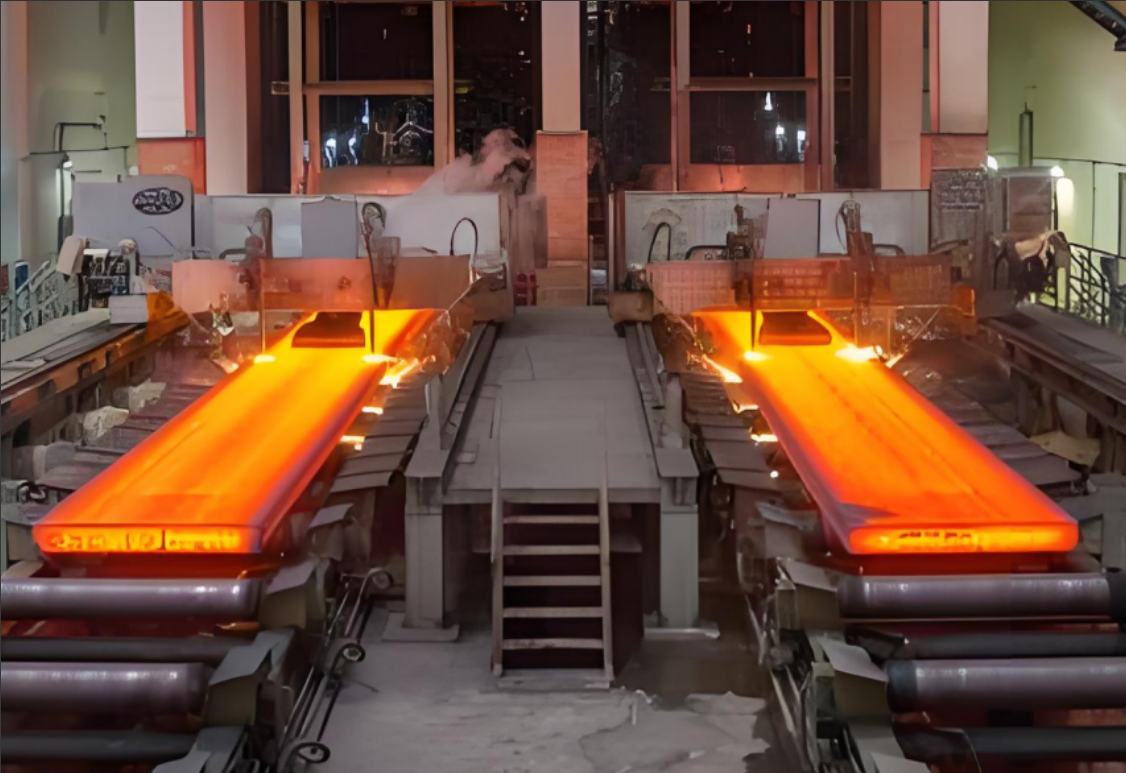
Heat treatment is essential for unlocking the full potential of alloy steel. Annealing softens the steel for machining. Normalizing refines grain structure and improves uniformity. Quenching and tempering is the most common heat treatment, producing a balance of high strength and toughness. Case hardening (carburizing, nitriding) creates a hard, wear-resistant surface while maintaining a tough core. Induction hardening selectively hardens specific areas. Alloying elements increase hardenability, allowing thicker sections to achieve full hardness. However, they also increase the risk of cracking during quenching, requiring controlled cooling rates and proper fixturing. Post-weld heat treatment is often required to relieve stresses and restore properties in welded alloy steel assemblies.
Industrial Applications of Alloy Steel
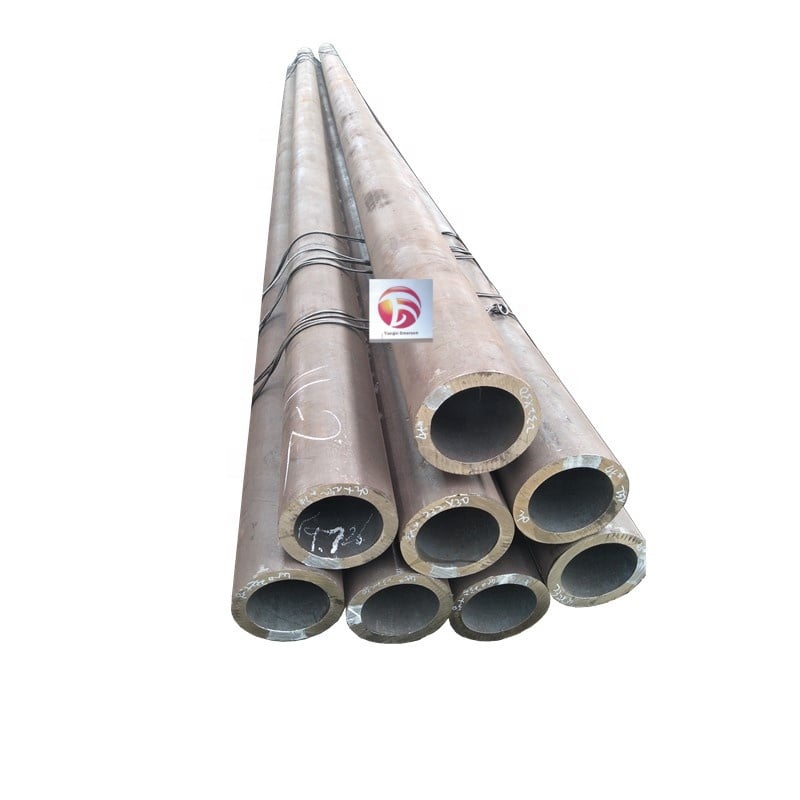
Alloy steels are specified for the most demanding applications across multiple industries. In power generation, chrome-moly grades serve in boiler tubes, steam headers, and turbine components. In oil and gas, alloy pipes and plates are used for high-pressure pipelines, wellhead equipment, and refinery vessels. The automotive and aerospace sectors rely on alloy steels for gears, shafts, crankshafts, and landing gear components. Heavy machinery utilizes alloy plates for excavator buckets, crane booms, and crusher parts. Tool and die applications use high-alloy tool steels for cutting, forming, and molding. In chemical processing, alloy steels resist corrosion and high temperatures. Each application benefits from the tailored properties that alloying elements provide.
Comparison with Carbon and Stainless Steel
Compared to carbon steel, alloy steel offers higher strength, better hardenability, and improved performance at elevated or low temperatures. Compared to stainless steel, alloy steel generally provides higher strength and wear resistance but lacks the chromium-rich passive layer that provides corrosion resistance. Stainless steels are a subset of high-alloy steels, but the term “alloy steel” commonly refers to grades designed for mechanical properties rather than corrosion resistance. Selecting between these families depends on the balance of strength, corrosion resistance, weldability, and cost required by the application. In many cases, alloy steel is the optimal choice when high mechanical performance is the primary requirement.
Conclusion: Engineered for Performance
Alloy steel represents a sophisticated class of materials engineered to meet the most demanding industrial requirements. Through the strategic addition of alloying elements and precise heat treatment, alloy steels deliver exceptional strength, toughness, wear resistance, and high-temperature performance. Understanding the classification, grades, properties, and applications of alloy steel enables engineers and fabricators to select the optimal material for each project. As industries continue to push the boundaries of performance, alloy steel will remain a cornerstone of advanced manufacturing, enabling innovation in energy, transportation, aerospace, and heavy industry.