Introduction: The Role of Laser Cutting in Modern Steel Fabrication
Laser cutting has become an indispensable technology in steel fabrication, transforming how metal service centers and manufacturers process carbon steel, stainless steel, and alloy steel. Unlike traditional mechanical cutting or thermal processes such as plasma and oxy-fuel, laser cutting uses a highly focused, coherent beam of light to melt or vaporize metal with exceptional accuracy. In an industry where tolerances are measured in fractions of a millimeter and material costs represent a significant portion of project budgets, the ability to achieve superior precision while minimizing waste is a decisive competitive advantage. Fiber laser systems, in particular, have revolutionized steel fabrication by delivering high cutting speeds, excellent edge quality, and reliable performance across a wide range of thicknesses. This article examines how laser cutting improves precision and reduces waste, providing a professional overview for engineers, fabricators, and procurement specialists.
Precision Through Focused Beam Technology
The precision of laser cutting originates from the fundamental properties of the laser beam. A fiber laser generates a concentrated beam with a very small spot size, typically 0.1mm to 0.3mm in diameter. This concentrated energy allows for extremely narrow kerf widths—often 0.15mm to 0.3mm—which means less material is removed during the cut. Positioning accuracy can reach ±0.1mm, and repeatability is even tighter. For stainless steel and thin carbon steel, nitrogen assist gas produces oxidation-free edges that require no secondary cleaning. The heat-affected zone (HAZ) is minimal, typically less than 0.5mm, preserving the material’s mechanical properties and corrosion resistance. This level of precision eliminates the need for secondary machining, grinding, or rework, ensuring that every part matches the CAD model exactly. For complex geometries, tight-tolerance holes, and intricate contours, laser cutting delivers results that are simply unattainable with conventional methods.
Minimizing Material Waste with Optimized Nesting
Material waste is a major cost driver in steel fabrication. Laser cutting directly addresses this challenge through advanced nesting software. Nesting algorithms arrange multiple parts on a single steel plate to maximize utilization, often achieving rates above 90%. Because the kerf is extremely narrow, parts can be placed closer together without risking distortion or overlap. This is particularly important when processing expensive stainless steel or alloy steel plates. Additionally, laser cutting enables “common-line” cutting, where adjacent parts share a single cut path, further reducing kerf waste. The ability to cut complex shapes from a single plate means fewer offcuts and remnants. Compared to shearing or punching, which require minimum edge distances and produce larger scrap, laser cutting dramatically improves material yield. The result is lower material costs per part and a more sustainable fabrication process.
Reducing Secondary Operations and Rework
Laser-cut edges are clean, smooth, and burr-free, which eliminates or minimizes secondary operations such as deburring, grinding, and edge finishing. This not only saves labor and time but also reduces the risk of damaging parts during handling. For parts that will be welded, the clean, square edges produced by laser cutting ensure excellent fit-up, reducing the need for extensive weld preparation and lowering the chance of weld defects. In contrast, plasma or oxy-fuel cutting leaves dross and a rough edge that must be removed before welding. By eliminating these secondary steps, laser cutting shortens lead times, reduces consumable costs, and improves overall production efficiency. The precision of the cut also means that holes, slots, and contours are produced to final dimensions, avoiding the need for reaming or milling after cutting.
Enhancing Design Flexibility and Complexity
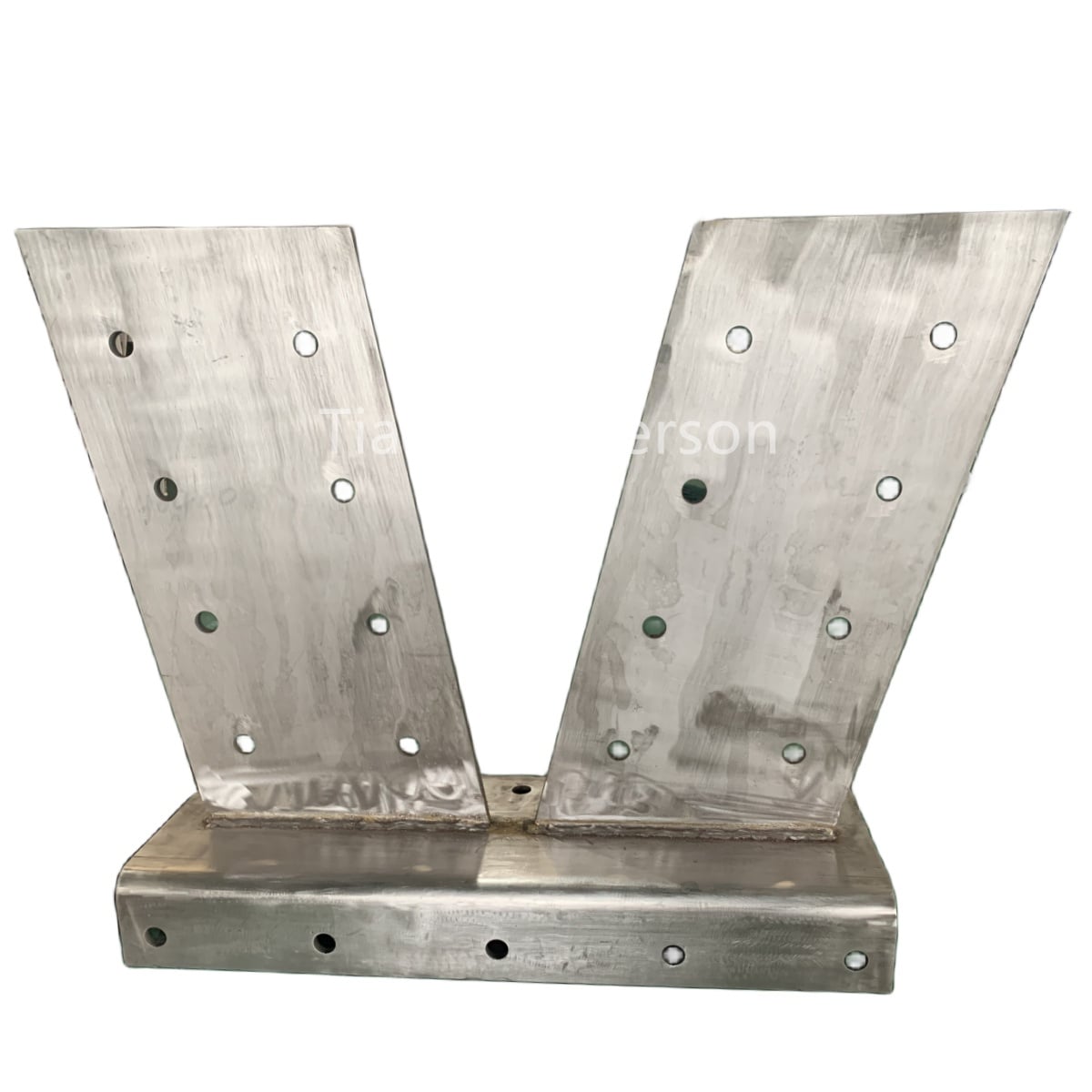
Laser cutting enables designers to create complex geometries that would be difficult or impossible with traditional methods. Intricate cutouts, narrow slots, sharp internal corners, and artistic patterns can all be produced in a single operation. This design freedom allows engineers to consolidate multiple parts into a single laser-cut component, reducing the number of welded or bolted joints. Fewer joints mean less material, less welding consumables, and lower assembly labor. For example, a bracket that would traditionally require several pieces welded together can often be redesigned as a single laser-cut and bent part. This not only reduces waste but also improves structural integrity by eliminating potential weak points. The ability to prototype quickly and iterate designs without expensive tooling makes laser cutting ideal for custom fabrication and low-to-medium volume production.
Environmental and Economic Benefits
The reduction in material waste and secondary operations translates directly into environmental and economic benefits. Less scrap means lower raw material consumption and reduced energy embedded in steel production. Laser cutting is also highly energy-efficient compared to older thermal processes; fiber lasers convert a higher percentage of electrical energy into cutting energy. The elimination of chemical deburring and reduced need for pickling pastes further lowers environmental impact. From an economic perspective, the combination of high material utilization, minimal rework, and fast cutting speeds reduces the total cost per part. Although the initial investment in laser equipment is significant, the operational savings and quality improvements deliver a rapid return on investment for fabricators processing significant volumes of steel.
Conclusion: The Competitive Advantage of Laser Cutting
Laser cutting has become the cornerstone of precision steel fabrication, offering unmatched accuracy, excellent edge quality, and substantial waste reduction. By focusing a high-energy beam to a tiny spot, it achieves tolerances and kerf widths that mechanical methods cannot match. Advanced nesting software maximizes material utilization, while clean edges eliminate secondary operations. The result is faster production, lower costs, and superior part quality. For steel fabrication companies serving construction, machinery, energy, and automotive industries, investing in laser cutting technology is not merely an option—it is a strategic necessity. As materials become more expensive and customer expectations for precision continue to rise, laser cutting will remain the definitive solution for improving precision and reducing waste in steel fabrication.