
Mga Pangunahing Uri ng Bakal na Profile at Kanilang Pag-uugali sa Estratektura
I-Beams, Channels, Angles, at Hollow Sections: Ipinaliliwanag ang mga Papapel sa Pagdadala ng Karga
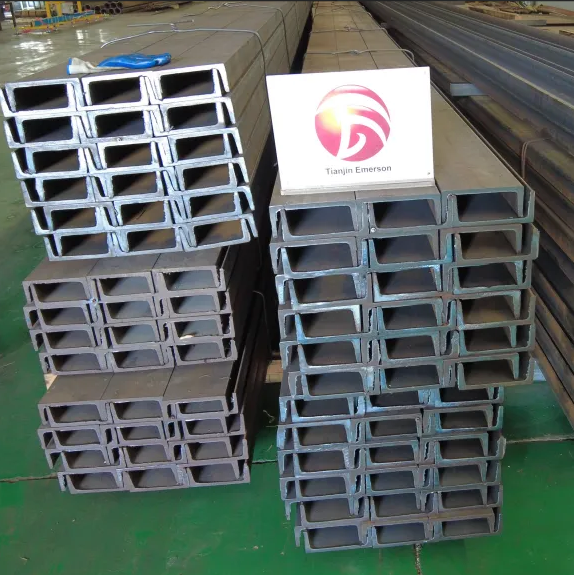
Bawat profile ng bakal ang bawat uri ay nagpapakita ng natatanging pag-uugali sa estruktura kapag nasa ilalim ng karga. Ang I-beams (mga beam na may malawak na flange) ay mahusay sa pagkabigkis: ang kanilang mga flange ay tumututol sa tensyon at kompresyon samantalang ang web ay nagdadala ng shear—kaya sila ang karaniwang pinipili para sa mga girder ng tulay at mga beam ng sahig ng gusali. Ang mga channel (C-sections) ay nagtutuon ng materyal sa likuran at mga flange, na nagbibigay ng epektibong lakas para sa mga edge beam at bracing kung saan ang torsyon ay minimal. Ang mga angle (L-sections) ay nag-aalok ng simpleng, versatile na mga koneksyon at gumagana nang maayos sa mga truss, frame, at bracket sa ilalim ng axial o magaan na bending load. Ang mga hollow structural section (HSS)—kabilang ang mga square at rectangular tube—ay nagbibigay ng mataas na torsional rigidity at pantay na lakas sa lahat ng direksyon, na ideal para sa mga haligi at nakalantad na arkitektural na elemento. Ginagamit ng mga inhinyero ang mga istandardisadong talahanayan sa pagpili ng steel profile upang i-match ang hugis sa pangunahing uri ng karga.
Mahalaga ang mga Heometrikong Katangian: Momento ng Inersiya, Seksyonal na Modulus, at Radius ng Pag-ikot
Tatlong heometrikong katangian ang nangangasiwa sa paraan kung paano tumutugon ang isang bakal na profile sa pagkarga: moment ng inertia (I), section modulus (S = I / c), at radius of gyration (r). Ang moment ng inertia ay sumusukat sa paglaban sa pagpapakurba—mas mataas na halaga ng I ay nagpapababa ng pagbaba ng beam sa ilalim ng mga magkakaparehong span at karga. Ang section modulus ay nagtatakda sa maximum na bending stress na kayang tiisin ng isang profile bago lumabag sa yield; mas malalaking halaga ng S ang nagpapahintulot sa mas malalaking bending moments nang hindi lalampas sa yield stress. Ang radius of gyration ay sumasalamin sa kahusayan ng pagkakalat ng cross-sectional area palibot sa centroid—mas mataas na r ay nagpapabuti ng stability ng column sa pamamagitan ng pagbaba ng slenderness ratio (L/r), kaya’t nadadagdagan ang critical buckling capacity. Halimbawa, ang isang HSS ay karaniwang nakakakuha ng mas mataas na radius of gyration kaysa sa isang I-beam na may katumbas na masa bawat metro, kaya’t mas epektibo ito para sa mga miyembro na pangunahing nasa compression. Sinusuri ng mga inhinyero ang mga halagang ito nang direkta mula sa mga table ng section properties na ibinibigay ng tagapagmanufaktura bago isumite ang kanilang panghuling seleksyon.
Pagpili ng Tamang Profile ng Bakal ayon sa Pangunahing Gawain nito sa Estratektura at Uri ng Pagkarga
Mga Haligi (Nangunguna ang Pagsasakop), mga Biga (Nangunguna ang Pagkukurba), at mga Suporta (Kakayahan sa Estabilidad sa Axial/Torsional)
Ang pangunahing puwersang kumikilos sa isang estruktural na elemento ang nagtatakda ng pinakamainam na pagpili ng bakal na profile. Ang mga haligi ay pangunahing tumututol sa mga compressive load at nangangailangan ng mataas na paglaban sa flexural buckling—ang mga profile tulad ng hollow structural sections (HSS) o wide-flange sections ay pinipiling gamitin dahil sa kanilang mataas na radius of gyration, lalo na sa mga payat na aplikasyon. Ang mga beam ay nakakaranas ng bending moments at kumikinabang nang husto mula sa mataas na section modulus at moment of inertia; ang mga I-beam (S, W, o UB sections) ay malawakang ginagamit dahil sa kanilang epektibong flange-web configuration para tumutol sa bending stresses at shear. Ang mga bracing element—na ginagamit para sa lateral stability o wind/seismic resistance—ay karaniwang nagdadala ng axial tension o compression, o torsional loads. Ang mga angle, channel, o maliit-diametro na HSS ay nagbibigay ng kompakto at matatag na cross-section na angkop sa mga tungkuling ito. Ang pagkakapareho ng geometry ng profile sa pangunahing estado ng stress ay nagpapatitiyak ng ligtas, epektibo, at ekonomikal na estruktural na pagganap.
Baitang ng Materyal, Pagkakasunod-sunod sa mga Pamantayan, at Mga Kinakailangan sa Pagganap para sa Pagpili ng Bakal na Profile
S235 hanggang S460: Pagkakatugma sa Lakas sa Pagbubuhat, Pagkakalabnaw, at Katatagan ayon sa mga Pangangailangan ng Aplikasyon
Ang mga grado ng bakal—mula sa S235 hanggang sa S460—ay nagtatakda ng mga pangunahing katangian ng mekanikal na pagganap. Ang lakas ng pagbubuhat (yield strength), na nasa saklaw mula 235 MPa (S235) hanggang 460 MPa (S460), ay direktang nakaaapekto sa kapasidad ng pagdadala ng beban at sa sukat ng mga bahagi. Ang mas mataas na mga grado (S355–S460) ay nagpapabuti sa ratio ng timbang sa lakas sa mga elemento na dominado ng kompresyon tulad ng mga haligi. Sa mga lugar na may mataas na panganib sa lindol, ang ductility—na sinusukat bilang minimum na paghaba sa pagkabali (elongation at break)—ay napakahalaga; halimbawa, ang S355 ay nagbibigay ng ≥18% na paghaba, na nagpapahintulot sa pag-absorb ng enerhiya nang walang brittle fracture. Sa mga kapaligiran na may mababang temperatura, kailangan ang napatunayang toughness, na sinusuri gamit ang Charpy V-notch impact testing sa mga temperatura na umaabot sa –20°C o mas mababa pa. Mula sa pananaw ng gastos-at-pagganap, ang S355 ay nagtataglay ng optimal na balanse para sa karamihan ng mga aplikasyon ng beam: nag-aalok ito ng 355 MPa na yield strength at 22% na elongation sa isang premium na humigit-kumulang sa 15% kumpara sa S275.
EN 10025 laban sa mga Pamantayan ng AISC: Pagtiyak sa Interchangeability at Pagsunod sa Kodigo
Ang mga profile ng istruktural na bakal ay kailangang sumunod sa alinman sa European EN 10025 o sa Amerikanong AISC na pamantayan upang matiyak ang pagkakasunod sa code at ang interoperability ng proyekto sa buong mundo. Ang EN 10025 ay nagtatakda ng mahigpit na mga hangganan sa komposisyong kimikal—halimbawa, isang maximum na nilalaman ng carbon na 0.24% sa S355JR—samantalang ang mga pamantayan ng AISC ay binibigyang-diin ang mga threshold sa mekanikal na pagganap, tulad ng minimum na 50 ksi (345 MPa) na yield strength para sa mga beam na ASTM A992. May umiiral na pagkakapareho sa pagitan ng dalawang pamantayan—ang S355JR ay malapit na katumbas ng ASTM A572 Grade 50—ngunit kinakailangan ang opisyal na sertipikasyon mula sa ikatlong partido para sa mga proyektong may kinalaman sa maraming rehiyon. Isang kapansin-pansin na pagkakaiba ay nasa metodolohiya ng pagsusuri sa corrosion: ang EN 10025 ay nangangailangan ng pagkakalantad sa neutral salt spray (ISO 9227), samantalang ang AISC ay tumutukoy sa acidic salt fog test na ASTM G85. Ang mga designer ay kailangang i-verify ang mga mill test report at mga sertipikasyon mula sa ikatlong partido batay sa lokal na building codes upang maiwasan ang mga puwang sa compliance sa mga multinational na pag-unlad.
Pangkasanayang Pagpili ng Steel Profile: Epekto sa Gastos, Paggawa, at Kakayahang Ikonstruksi
Pagbabalanse ng Gastos sa Bawat Yunit, Kakayahang Mag-weld, Timbang sa Pagmamanipula, at Bilis ng Pagsasama sa Lokal
Ang pag-optimize ng pagpili ng bakal na profile ay nangangailangan ng pagsusuri sa kabuuang gastos sa pag-install—hindi lamang sa presyo bawat yunit. Ang mas mabigat na seksyon ay maaaring mas murang presyo bawat kilogramo ngunit ito ay nagpapataas ng gastos sa transportasyon, pagbubuhat, at paggamit ng crane. Samantala, ang mas magaan na mga profile ay nababawasan ang kumplikadong paghawak ngunit maaaring mangailangan ng higit pang mga miyembro o karagdagang mga koneksyon upang makamit ang katumbas na kapasidad. Ang kakayahang mapag-weld ay nakasalalay sa pangkalahatang laman ng carbon (CE); ang mga bakal tulad ng S235 ay madaling mapag-weld nang walang preheat, samantalang ang mga bakal na may mas mataas na grado (halimbawa, S460) ay kadalasang nangangailangan ng kontroladong proseso upang maiwasan ang pagsira. Ang timbang ng paghawak ay direktang nakakaapekto sa pagpili ng kagamitan sa pagbubuhat at sa logistics sa lugar ng konstruksyon—ang mga standardisadong, modular na disenyo na may bolted connections ay nagpapabilis sa pag-aassemble at nababawasan ang lakas-paggawa. Ang mga prefabricated na joint ay nababawasan din ang welding sa lugar ng konstruksyon, na nagpapabuti sa quality control at reliability ng schedule. Mahalaga, ang pagtukoy ng mga karaniwang stock na sukat ay nag-iwas sa mahal na custom rolling o sa mahabang lead time. Sa huling pag-uugnay, ang pinakamatipid na solusyon ay lumilitaw mula sa buong pagsusuri sa buong proseso—mula sa fabrication, transportasyon, erection, at pangmatagalang maintenance—hindi lamang sa gastos sa materyales.
Madalas Itanong
Ano ang pangunahing mga uri ng bakal na profile na ginagamit sa konstruksyon?
Ang pangunahing mga uri ay ang I-beams, channels (C-sections), angles (L-sections), at hollow structural sections (HSS). Ang bawat uri ay gumagampan ng iba't ibang tungkulin sa istruktura batay sa kaniyang kakayahan magdala ng karga.
Anong mga katangiang heometrikal ang nakaaapekto sa istruktural na pagganap ng isang bakal na profile?
Ang mga pangunahing katangian ay ang moment of inertia, section modulus, at radius of gyration, na sama-samang nagtatakda ng kakayahang tumutol ng profile sa bending, buckling, at kabuuang katatagan.
Paano ko pipiliin ang tamang bakal na profile para sa isang proyekto?
Ang pagpili ay nakasalalay sa istruktural na tungkulin (halimbawa: compression, bending) at sa uri ng karga. Halimbawa, ang mga wide-flange sections o HSS ay mainam para sa mga haligi, samantalang ang mga I-beams ay mahusay sa mga beam na pangunahing nasa ilalim ng bending.
Bakit mahalaga ang pagsunod sa mga pamantayan tulad ng EN 10025 o AISC?
Ang pagsunod ay nag-aagarang ang mga profile ay sumusunod sa mga kinakailangan sa pagganap, komposisyong kimikal, at resistensya sa korosyon upang matiyak ang kaligtasan at katugmang istruktural sa iba’t ibang rehiyon.
Ano ang mga salik na nakaaapekto sa kahusayan ng gastos sa pagpili ng bakal na profile?
Kasali sa mga salik ang presyo bawat yunit, paggawa, transportasyon, bilis ng pag-aassemble, at pangmatagalang pagpapanatili. Ang balanse sa timbang, kakayahang mag-weld, at kakayahang i-construct ay mahalaga upang ma-optimize ang kabuuang gastos sa pag-install.
Talaan ng Nilalaman
- Mga Pangunahing Uri ng Bakal na Profile at Kanilang Pag-uugali sa Estratektura
- Pagpili ng Tamang Profile ng Bakal ayon sa Pangunahing Gawain nito sa Estratektura at Uri ng Pagkarga
- Baitang ng Materyal, Pagkakasunod-sunod sa mga Pamantayan, at Mga Kinakailangan sa Pagganap para sa Pagpili ng Bakal na Profile
- Pangkasanayang Pagpili ng Steel Profile: Epekto sa Gastos, Paggawa, at Kakayahang Ikonstruksi
-
Madalas Itanong
- Ano ang pangunahing mga uri ng bakal na profile na ginagamit sa konstruksyon?
- Anong mga katangiang heometrikal ang nakaaapekto sa istruktural na pagganap ng isang bakal na profile?
- Paano ko pipiliin ang tamang bakal na profile para sa isang proyekto?
- Bakit mahalaga ang pagsunod sa mga pamantayan tulad ng EN 10025 o AISC?
- Ano ang mga salik na nakaaapekto sa kahusayan ng gastos sa pagpili ng bakal na profile?