
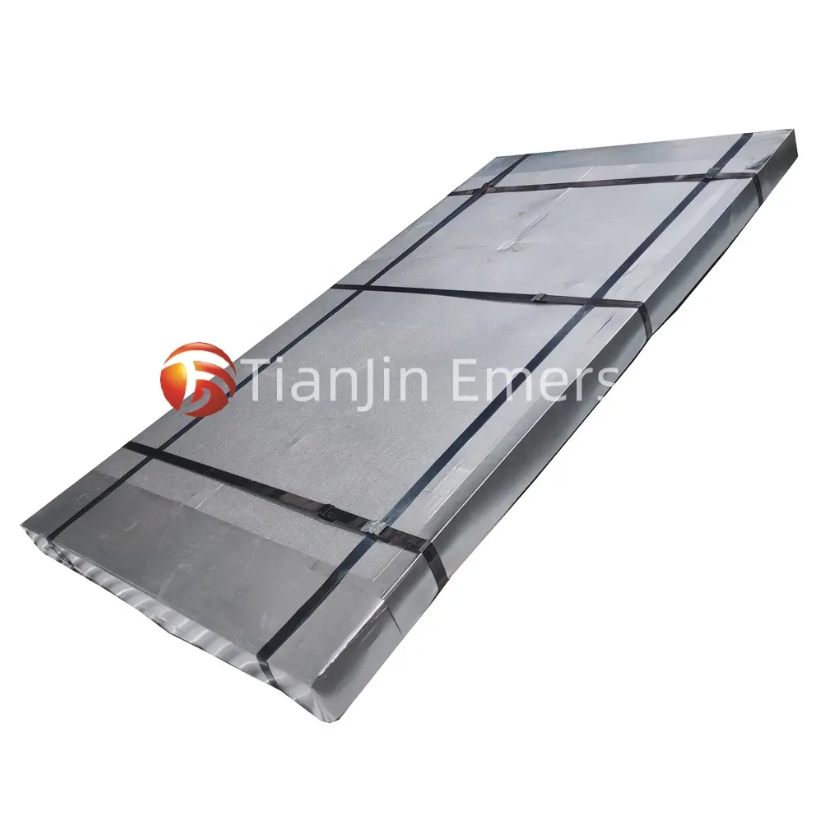
Hot-Dip Galvanizing: Robust, Long-Lasting Protection for Steel Plate
How Zinc Forms a Dual-Action Barrier on Steel Plate
Hot-dip galvanizing immerses steel plate in molten zinc, triggering a metallurgical reaction that forms a tightly bonded coating. This coating delivers two complementary protective mechanisms: a durable physical barrier that isolates the steel from moisture and oxygen, and cathodic protection—where zinc sacrificially corrodes ahead of exposed steel if the coating is damaged. Together, these actions deliver exceptional resistance to rust and environmental degradation, making hot-dip galvanized steel plate a trusted solution for demanding outdoor and industrial applications.
Metallurgical Bonding and Zinc-Iron Alloy Layer Development
Unlike paint or powder coatings, hot-dip galvanizing produces a metallurgically fused interface. As molten zinc reacts with the iron in the steel substrate, it forms intermetallic zinc–iron alloy layers—typically delta (δ) and zeta (ζ)—that are integral to the base metal. This structure yields a coating that is both harder and more abrasion-resistant than electro-galvanized alternatives, with superior adhesion and thermal stability. The resulting durability under impact, bending, and thermal cycling makes hot-dip galvanizing the preferred surface treatment for structural steel plate where long-term corrosion resistance is critical.
Chemical Treatments: Enhancing Steel Plate Surface Reactivity and Passivation
Pickling and Passivation: Removing Contaminants and Stabilizing Oxide Layers
Pickling—using hydrochloric or sulfuric acid—removes mill scale and surface oxides from steel plate, exposing a chemically active, uniform iron substrate. This step is essential before passivation, which employs nitric or citric acid to promote formation of a stable, ultra-thin (1–5 nm) chromium-rich oxide layer. While passivation is most commonly associated with stainless steels, it’s also applied to certain low-alloy or pre-plated carbon steel plates to enhance pitting resistance. In marine and chemical processing environments—where localized corrosion poses a serious risk—this dual-phase treatment significantly improves long-term surface stability without compromising mechanical integrity.
Phosphate and Chromate Conversion Coatings for Paint Adhesion and Corrosion Inhibition
Phosphate conversion coatings react chemically with the steel surface to form microcrystalline zinc or manganese phosphate layers. Their porous, oil-retentive structure provides excellent mechanical keying for paints, primers, and lubricants while delivering secondary corrosion resistance. Chromate treatments—historically based on hexavalent chromium—form self-healing films that suppress electrochemical activity at scratches or pores, reducing corrosion rates by over 50% in accelerated salt-spray testing. Due to regulatory and environmental concerns, trivalent chromium alternatives now offer comparable performance with markedly lower toxicity, supporting compliance in structural and automotive applications where both durability and sustainability matter.
Advanced Deposition Technologies for High-Performance Steel Plate Protection
Plasma Electrolytic Oxidation (PEO) for Ceramic-Enhanced Steel Plate Surfaces
Plasma Electrolytic Oxidation (PEO) grows dense, ceramic-like oxide coatings directly on steel plate through high-voltage electrolytic plasma discharges in alkaline electrolytes. Unlike conventional anodizing, PEO operates beyond the dielectric breakdown threshold, enabling thick (10–50 µm), highly adherent, and chemically inert layers with outstanding hardness (>1,200 HV) and corrosion resistance. A peer-reviewed 2023 study confirmed an 85% improvement in salt-spray performance versus untreated steel—a gain especially valuable for marine infrastructure and aggressive chemical handling systems where traditional coatings fall short.
CVD and Laser Surface Alloying: Tailoring Cr–Al–Si Gradient Layers on Steel Plate
Chemical Vapor Deposition (CVD) and laser surface alloying allow precise engineering of protective surface compositions on steel plate. Both methods produce diffusion-bonded, gradient Cr–Al–Si layers that oxidize in situ to form continuous, self-healing alumina- and chromia-based barriers. These coatings maintain integrity above 1000°C, resist spallation during repeated thermal cycling, and can be tuned from 5 to 100 µm in thickness depending on service demands. Their metallurgical integration ensures dimensional stability and load-bearing capability—making them ideal for high-temperature components in power generation, aerospace, and industrial furnace linings.
Performance Comparison: Service Life, Cost Efficiency, and Sustainability of Steel Plate Treatments
Selecting the optimal steel plate surface treatment requires evaluating corrosion resistance, lifecycle cost, and environmental profile—not just initial price. Hot-dip galvanizing stands out for its unmatched balance: salt-spray resistance ranging from 100 to over 1,000 hours at ~$200 per ton, combined with full recyclability and minimal hazardous waste generation. In contrast, white or yellow zinc plating (~$120/ton) offers only 48–72 hours of protection—sufficient for dry indoor use but inadequate for structural exposure. Premium options like black zinc plating or Dacromet deliver 480–1,000+ hours but at $700–1,000/ton; Dacromet further avoids hydrogen embrittlement risks and meets stringent RoHS and REACH requirements. Meanwhile, chromate-based conversion coatings—though effective—pose disposal and regulatory challenges increasingly addressed by trivalent chromium or phosphate alternatives.
The table below summarizes key comparative metrics across widely used treatments:
| Treatment Method | Approximate Cost per Ton (USD) | Salt Spray Resistance (Hours) | Typical Applications |
|---|---|---|---|
| Hot-Dip Galvanizing | ~200 | 100 – 1,000+ | Outdoor structures, heavy corrosion |
| White Zinc Plating | ~120 | 48 – 72 | Indoor mild environments |
| Yellow Zinc Plating | ~120 | 48 – 72 | Similar to white zinc |
| Black Zinc Plating | 700 – 1,000 | 480 | Decorative, high corrosion |
| Dacromet Coating | 700 – 1,000 | 500 – 1,000+ | Thin coating, no hydrogen embrittlement |
| Black Oxide Finish | ~100 | 8 – 24 | Aesthetics, minimal protection |
Ultimately, hot-dip galvanizing remains the benchmark for cost-effective, long-life protection of structural steel plate—especially where maintenance access is limited or environmental exposure is severe. For specialized needs—such as extreme temperatures, tight dimensional tolerances, or strict environmental compliance—advanced deposition technologies and next-generation conversion coatings provide targeted, high-performance alternatives grounded in metallurgical science and real-world validation.
FAQs
What is hot-dip galvanizing?
Hot-dip galvanizing is a process where steel is immersed in molten zinc, creating a metallurgical bond that provides corrosion resistance through both a physical barrier and sacrificial cathodic action.
How does hot-dip galvanizing differ from other coatings?
Unlike paint or powder coatings, hot-dip galvanizing forms zinc-iron alloy layers integral to the steel substrate, offering superior durability and corrosion resistance.
What is the purpose of pickling and passivation?
Pickling removes contaminants like mill scale from steel surfaces, while passivation enhances corrosion resistance by stabilizing oxide layers.
Are chemical treatments environmentally friendly?
Advanced chemical treatments, such as trivalent chromium alternatives, aim for better environmental compliance while retaining performance, addressing concerns about toxicity.
Which steel plate treatment is most cost-effective?
Hot-dip galvanizing is widely recognized for its cost-efficiency, balancing durability, recyclability, and service life.
What are the advantages of Plasma Electrolytic Oxidation (PEO)?
PEO delivers ceramic-like coatings with superior hardness and corrosion resistance, ideal for marine and high-performance applications.
Table of Contents
- Hot-Dip Galvanizing: Robust, Long-Lasting Protection for Steel Plate
- Chemical Treatments: Enhancing Steel Plate Surface Reactivity and Passivation
- Advanced Deposition Technologies for High-Performance Steel Plate Protection
- Performance Comparison: Service Life, Cost Efficiency, and Sustainability of Steel Plate Treatments