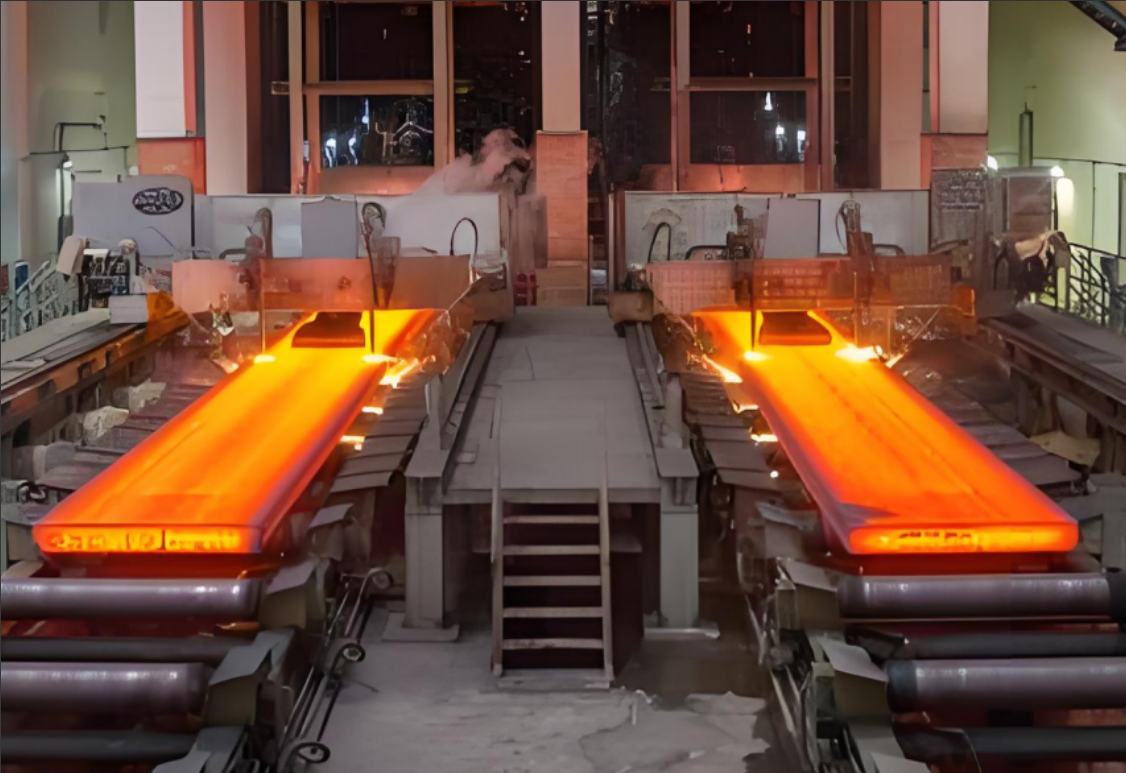
Stainless steel offers outstanding corrosion resistance, strength-to-weight ratio, and aesthetic appeal. Chromium forms a self-healing passivated oxide layer on the surface, effectively shielding the base metal from environmental corrosion. However, this fundamental property also introduces unique processing considerations, distinguishing stainless steel fabrication from that of carbon steel or other alloys.
Selecting the appropriate stainless steel material for manufacturing components is a critical engineering decision that requires understanding the properties of each material to choose the suitable processing method. Austenitic stainless steels (particularly grades 304 and 316) dominate general manufacturing applications due to their exceptional corrosion resistance, formability, and weldability. The low-carbon 304L grade is suitable for welded structures. In chloride environments (such as marine or chemical processing equipment), molybdenum-containing 316L grades offer superior resistance to pitting and crevice corrosion. Duplex stainless steel (including grades 2205 and 2507) maintains excellent corrosion resistance while offering approximately double the yield strength of austenitic grades. This makes it an ideal choice for demanding applications such as offshore platforms, pressure vessels, and high strength-to-weight ratio structural components. Ferritic and martensitic stainless steels have specialized applications where magnetic properties, thermal conductivity, or specific mechanical characteristics are required. However, compared to austenitic stainless steels, they exhibit weaker weldability and formability, necessitating careful planning of manufacturing processes.
The forming process of stainless steel components requires precise control of dies, lubrication, and process parameters to accommodate their higher strength and work-hardening characteristics compared to carbon steel. Cold forming techniques include bending, deep drawing, and roll forming. Among these, press brakes achieve precise, repeatable bending through sophisticated springback compensation algorithms that account for the material's elastic recovery properties. For austenitic steel grades, strain-induced martensitic transformation during forming significantly increases strength while reducing ductility. Complex multi-step forming processes may necessitate intermediate annealing treatments. Warm forming at elevated temperatures between 90°C and 200°C substantially improves formability by suppressing martensite formation. For example, the ultimate draw ratio of 304 stainless steel increases from 2.2 at room temperature to 2.7 at 120°C, enabling deeper drawing and more complex geometries without intermediate annealing. For demanding forming conditions, solution annealing can be employed to recrystallize work-hardened structures and restore ductility. However, this heat treatment requires strict control to prevent excessive oxidation and maintain dimensional stability.
Welding is the most critical and technically demanding process in stainless steel fabrication, directly impacting the structural integrity and corrosion resistance of assembled components. GTAW/TIG is widely favored for its precise heat input control and ability to produce aesthetically pleasing, spatter-free welds, making it particularly suitable for thin-gauge materials and visible applications where weld appearance is paramount. GMAW/MIG suits thick-walled structures and mass production environments due to its higher deposition rates, while submerged arc welding is employed for longitudinal seams in thick-walled components and pipes. Filler metal selection is critical: For austenitic steels, using filler materials matching or slightly exceeding the base metal's alloy content (e.g., ER308L wire for 304 base metal) ensures weld metal properties—particularly corrosion resistance—meet or exceed those of the base material.
Surface treatment and post-processing are critical for restoring and enhancing the corrosion resistance of stainless steel components after machining. Mechanical methods such as grinding, sandblasting, and polishing effectively remove impurities, but care must be taken to avoid introducing iron contamination from carbon steel tools or abrasives, which could trigger localized corrosion. Chemical methods like acid pickling dissolve the heat-affected layer and underlying chromium depletion layer while regenerating a uniform passivation oxide film. Passivation treatment is often performed after manufacturing using nitric acid or citric acid solutions to enhance the thickness and uniformity of the natural oxide layer, thereby maximizing corrosion resistance.For applications requiring surface finish and cleanliness, electropolishing removes a controlled surface layer through an electrochemical process, creating a smooth, bright, and highly corrosion-resistant surface. This technique is particularly suitable for pharmaceutical, food processing, and semiconductor equipment sectors. Advanced surface treatment technologies, such as low-temperature plasma nitriding (approximately 420°C), can enhance the surface hardness of 316L stainless steel to 1200 HV while maintaining corrosion resistance. This significantly extends component lifespan in high-wear applications.