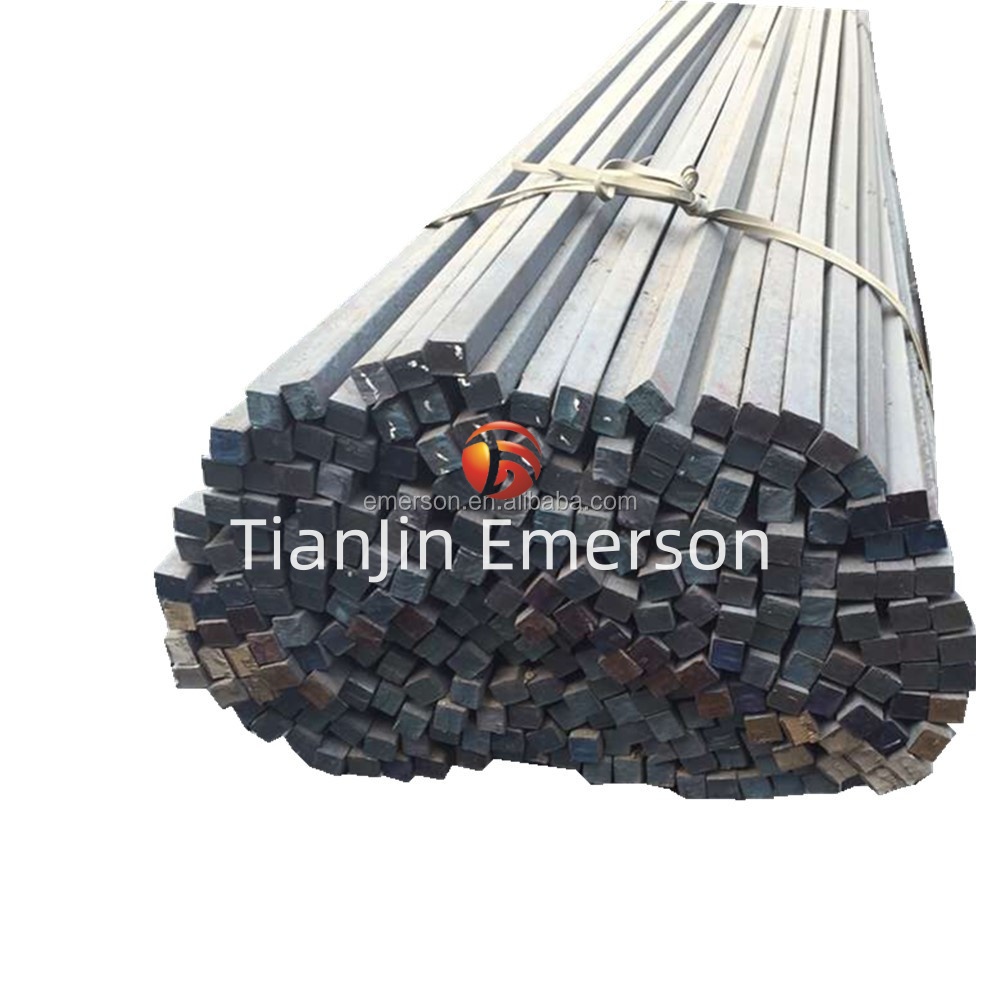
Square steel is characterized by its robust rectangular cross-section, providing high load-bearing capacity and torsional rigidity. The most commonly used grades include medium- and low-carbon steels such as AISI 1018, 1020, and 1045. These materials achieve an optimal balance between strength, machinability, and cost-effectiveness, making them suitable for most industrial applications. Their composition primarily consists of iron and carbon: 1018 steel contains approximately 0.18% carbon and 0.6-0.9% manganese, offering excellent weldability, good machinability, and high-quality surface finish. In contrast, 1045 steel, with about 0.45% carbon, delivers higher strength and can be effectively heat-treated to enhance hardness and wear resistance. Beyond standard carbon steel, square steel bars can be manufactured from alloy steels like 4140. By adding chromium and molybdenum, heat treatment significantly boosts strength and durability. Various stainless steels (e.g., 304, 316) are also available to meet corrosion resistance requirements. Additionally, aluminum alloy square bars such as 6061 are suitable for applications requiring weight reduction without compromising structural integrity. Our company possesses specialized technical expertise to provide material selection guidance, ensuring the most suitable steel grade is chosen for each application.
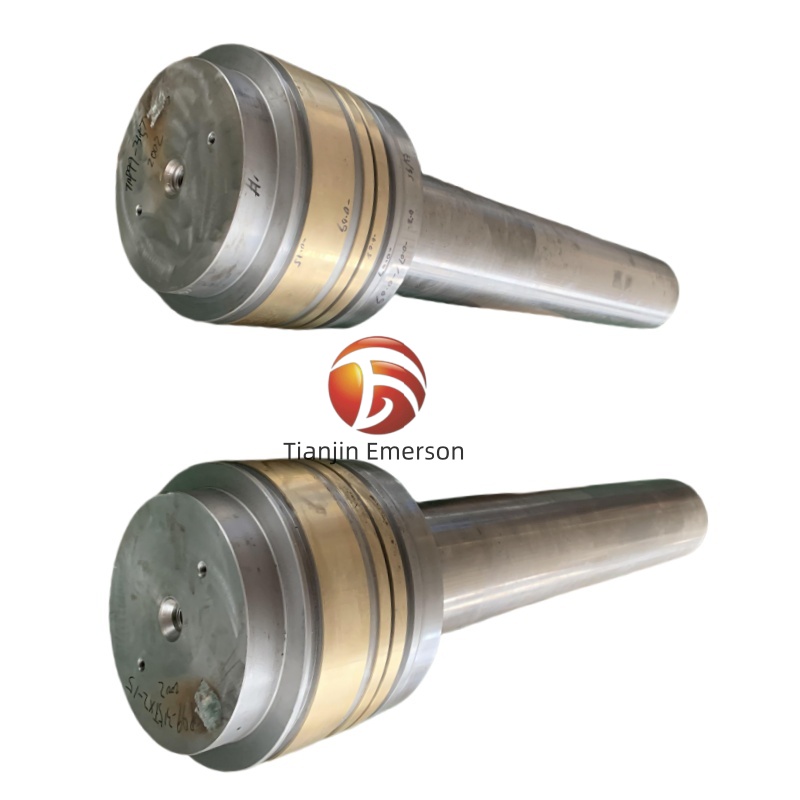
Transforming raw square bar stock into precision engineered components requires a comprehensive set of machining and manufacturing processes. The initial step typically involves cutting with high-speed band saws or advanced cold saws to ensure straight, burr-free end faces. The components then enter the CNC machining process. Our CNC lathes and milling centers perform diverse machining operations: end-face machining, turning to achieve precise diameters for different rod sections, drilling and tapping to create fastener holes, milling slots, keyways, flat surfaces, and complex contours, along with threading according to assembly requirements. Additionally, we integrate forming processes where applicable. While square bars typically do not undergo the same bending methods as sheet metal, specialized rotary bending or forging techniques may be employed for specific designs. MIG or TIG welding connects machined square bar sections to other components. Post-machining stages offer surface finishing services: grinding and polishing achieve superior surface finishes, heat treatment enhances material properties, and protective coatings such as powder coating, electroplating, or black oxide coating are provided.
Custom-processed square steel bars serve extensive and critical applications across multiple heavy industrial sectors. They find use in construction and metal fabrication engineering, industrial machinery and automation, transportation and automotive fields, among others. Furthermore, they form the core material for warehousing and material handling solutions, such as the uprights in heavy-duty shelving systems. We deliver specialized value through end-to-end custom processing services. We manufacture components based on customer drawings or CAD models, controlling the entire process—from material selection and CNC machining to welding, heat treatment, and final finishing—to ensure delivery of high-strength, high-precision square steel components. These components deliver reliable, long-lasting performance throughout the entire application lifecycle, from prototype development to large-scale production.