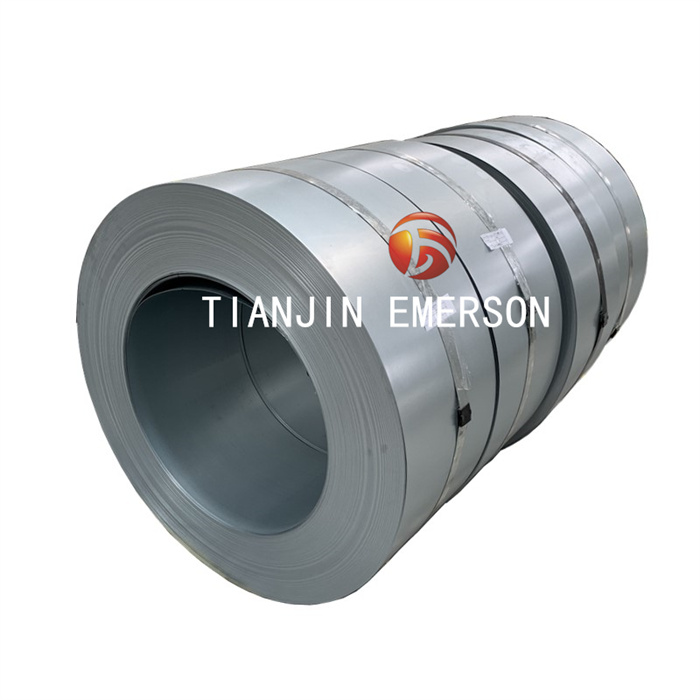
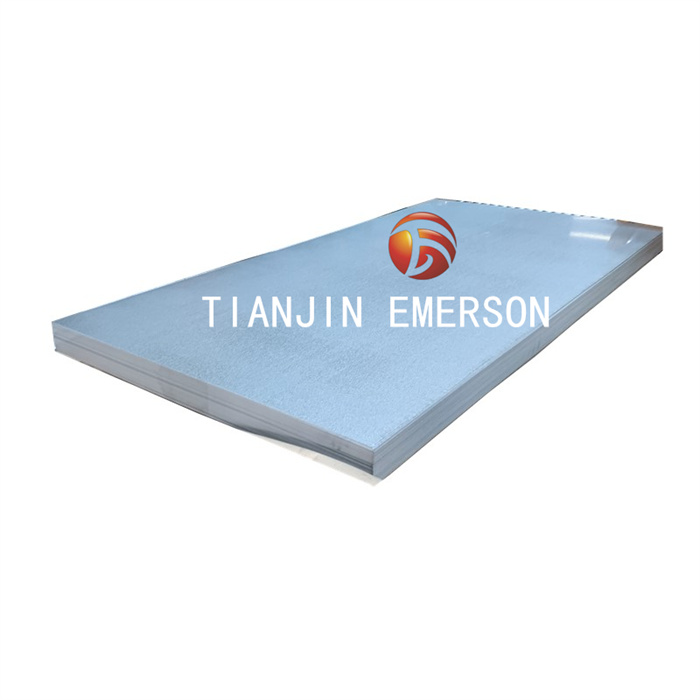
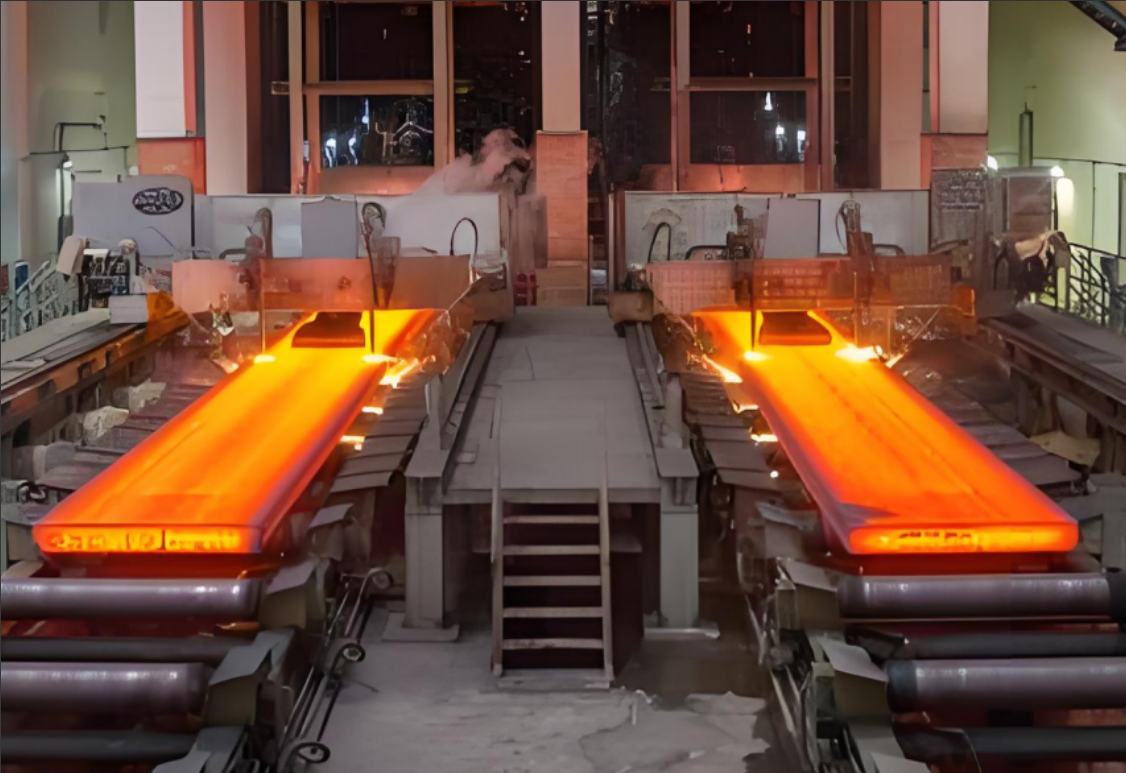
Galvanized coil, as a pre-fabricated steel product, combines the inherent strength of steel with long-term corrosion resistance. This material uses cold-rolled or hot-rolled steel coil as its base substrate. After continuous cleaning, it is immersed in molten zinc to form a hot-dip galvanizing process. This metallurgical bonding creates a zinc-iron alloy layer topped with a pure zinc outer layer, ultimately producing galvanized iron (GI) coil. The manufacturing process includes precision leveling and slitting, where large parent coils are fed into heavy-duty cut-to-length shearing lines or precision slitting machines. This “decoiling” process transforms the coil into flat, workable galvanized steel sheets with precise length, width, and exceptional flatness, ready for direct manufacturing or shipment. Our factory not only supplies standard-sized sheets but also custom-cuts blanks directly from coils. This approach optimizes material utilization and shortens delivery cycles compared to purchasing pre-cut sheets. Beyond supplying raw materials, our facility offers full-process custom processing for galvanized steel. We handle both pre-galvanized sheets and post-processing of galvanized components, employing advanced techniques to ensure coating integrity throughout manufacturing.
The manufacture of customized galvanized steel components requires special expertise and parameter adjustments to ensure the integrity of the protective coating. Laser cutting minimizes thermal deformation and zinc evaporation at the cut edges, resulting in clean profiles with minimal burrs. During the bending process, CNC press brakes perform precise forming operations. We use specially designed, surface-polished tools and closely monitor parameters to prevent scratches or flaking of the galvanized layer at the bending radius. The most technically challenging phase is the joining process. Welding is certainly possible, but requires compliance with specific protocols. Since the evaporation temperature of the zinc coating is significantly lower than that of the steel substrate, we use pre-treatment techniques (such as grinding the zinc layer in the welding area) in conjunction with modified welding processes and gas mixtures (which usually contain an increased proportion of argon). This effectively controls the zinc vapor, prevents the formation of porosity, and ensures the strength and reliability of the weld. For components that require an intact zinc coating, we specialize in mechanical joining methods such as riveting or crimping.After manufacturing, components can undergo additional surface treatments such as powder coating. The zinc layer provides robust cathodic protection for the steel, while the powder coating adds a durable, UV-resistant, and aesthetically customizable protective layer. Together, they form an ultra-long-life surface treatment system suitable for harsh outdoor environments.
The zinc coating protects the underlying steel through a dual mechanism: first, by acting as a dense and tightly adherent physical barrier that isolates the steel from environmental oxygen and moisture; second, by providing protection through its sacrificial anodic action. Zinc's higher electrochemical reactivity means that when the coating is scratched or cut, exposing the steel beneath, the surrounding zinc corrodes preferentially. This protects the exposed iron from rusting. This self-healing property is key to galvanized products maintaining long-term serviceability even when damaged. Standard coating weights are measured in grams per square meter (e.g., Z275 denotes a 275 g/m² coating), selectable based on anticipated environmental conditions. More corrosive environments require thicker coatings. Our custom galvanized components find extensive applications: in construction for roofing, cladding, rainwater systems, and structural supports; in the automotive industry for underbody components, brackets, and reinforcements; and in industrial and agricultural equipment, where exposed parts like housings, guards, hoppers, and frames benefit significantly.In the consumer goods sector, galvanized components are widely used in appliance housings, HVAC equipment, and electrical cabinets.