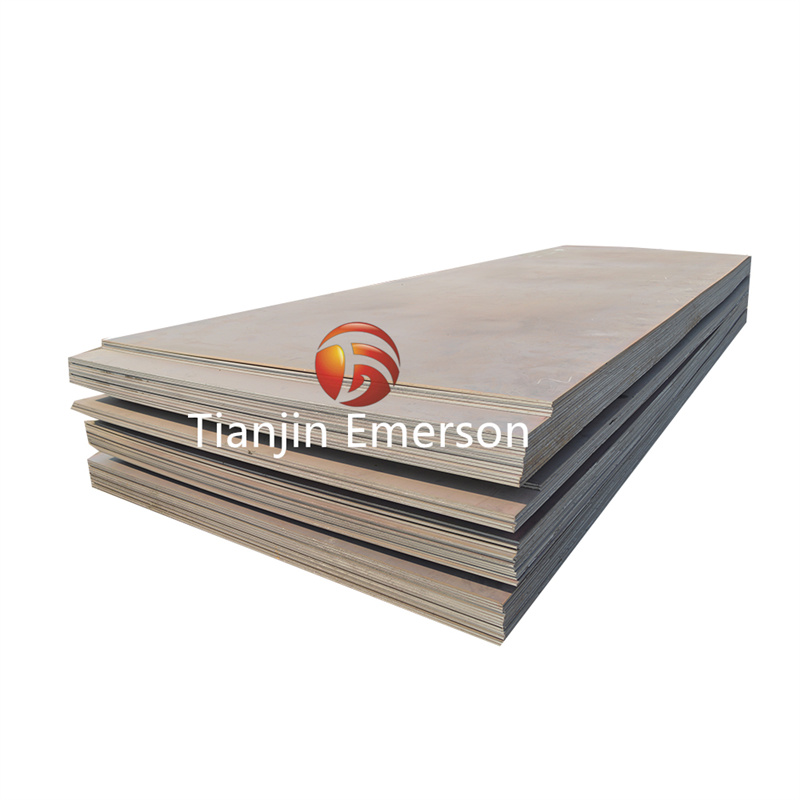
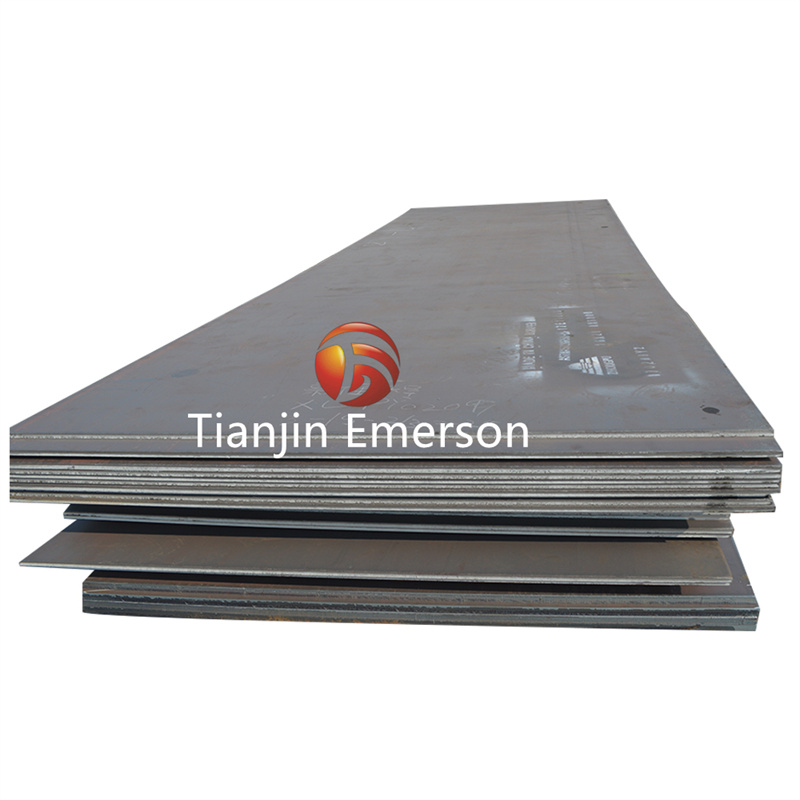
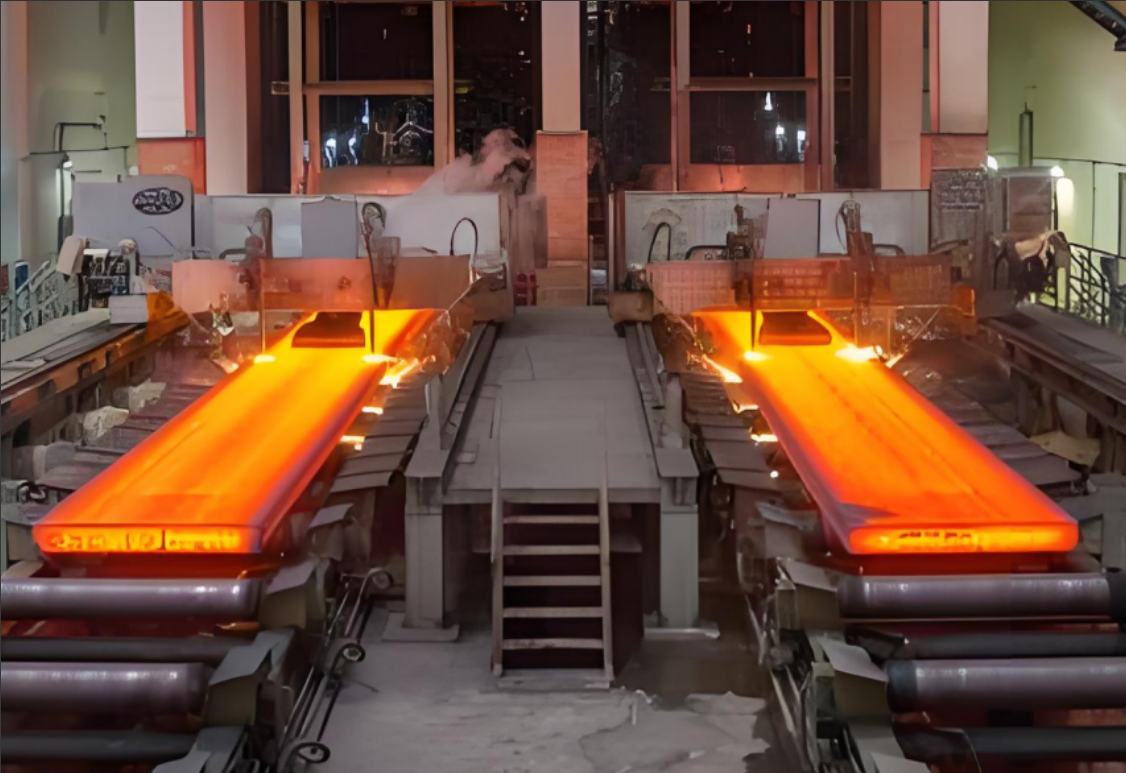
Pressure vessel steel plates are a specialized category of flat-rolled steel products designed specifically for the manufacture of boilers, pressure vessels, and other critical components that must safely withstand internal pressure at various temperatures. Because these steel plates must maintain structural integrity under continuous pressure, thermal cycling, and potentially corrosive environments over decades of service, their quality requirements far exceed those of standard structural steel. The manufacture of pressure vessel steel plates requires materials with exceptional uniformity, precise control of chemical composition, and strict limits on internal defects (such as interlaminar inclusions, inclusions, or porosity), as these defects can serve as initiation points for failure when subjected to stress. Pressure vessel plates typically range in thickness from 5 mm to 200 mm; however, thinner or thicker plates may be used for special applications depending on design pressure, vessel diameter, and operating temperature requirements. This dimensional flexibility enables the manufacture of a wide variety of equipment, ranging from small compressed air storage tanks to large nuclear reactor components and petrochemical processing equipment.
The selection of materials for pressure vessel plates encompasses a wide range of carbon and alloy steel grades, each optimized for specific operating conditions and mechanical property requirements. Carbon steel pressure vessel plates, such as the widely used ASTM A516 Grades 55 to 70, achieve the strength levels required for medium- and low-temperature service by controlling carbon content (typically 0.16–0.33%) and carefully balancing the addition of manganese and silicon, while maintaining excellent weldability and notch toughness. This specification covers four different strength grades, with tensile strengths ranging from 380–515 MPa for Grade 55 to 485–620 MPa for Grade 70. These grades are primarily intended for welded pressure vessels with stringent impact toughness requirements. High-strength grade plates can reach thicknesses of up to 6 inches, with the maximum thickness for each grade limited only by the material composition’s ability to meet the specified mechanical property requirements. For applications requiring a higher strength-to-weight ratio or enhanced performance at elevated temperatures, alloy steel pressure vessel plates incorporate chromium, molybdenum, nickel, and other elements to achieve superior mechanical properties and environmental resistance.
The mechanical property requirements for steel plates used in pressure vessels are far more stringent than those for general structural applications and must be verified through standardized test procedures. Each steel plate must meet specified minimum yield strength, tensile strength, and elongation requirements. Typical yield strength ranges from 185 MPa for low-strength carbon steel grades to over 415 MPa for high-strength alloy steel grades. Charpy V-notch impact testing is typically required to verify sufficient toughness at operating temperatures; for low-temperature applications, acceptance criteria are usually specified at temperatures as low as -50°C. European standards such as EN 10028-2 define steel grades suitable for high-temperature service, including P265GH, P295GH, and P355GH, with minimum impact values specified at -20°C or lower to ensure ductility under all operating conditions. For high-strength applications, specifications such as ASTM A737 provide steel grades with minimum yield strengths of 345 MPa and 415 MPa, which are particularly suitable for pressure vessels and piping components requiring enhanced strength and toughness. These steel plates typically require normalizing heat treatment to achieve the specified mechanical properties and ensure consistency of performance across the entire plate thickness.
Pressure vessel steel plates are used in virtually every industrial sector involving pressurized equipment and high-temperature processes. In the oil and gas industry, these steel plates are used to manufacture storage tanks, separators, and the shells of processing vessels for hydrocarbons—equipment that must operate under high-temperature and high-pressure conditions. Power plants utilize pressure vessel steel plates for boilers, heat exchangers, and steam drums, where reliability under continuous thermal cycling conditions is critical to plant safety and efficiency. The chemical and petrochemical industries rely on pressure vessel steel plates to manufacture reactors, columns, and high-pressure vessels for corrosive media, typically specifying alloy grades with enhanced corrosion resistance. Nuclear power applications require materials to meet the highest standards of integrity and traceability; the relevant plates must satisfy stringent requirements for ultrasonic testing and mechanical property verification. Cryogenic service applications (including LNG storage and transportation) require pressure vessel steel plates to maintain toughness at temperatures below -50°C, which is achieved through strict chemical composition control and heat treatment processes.