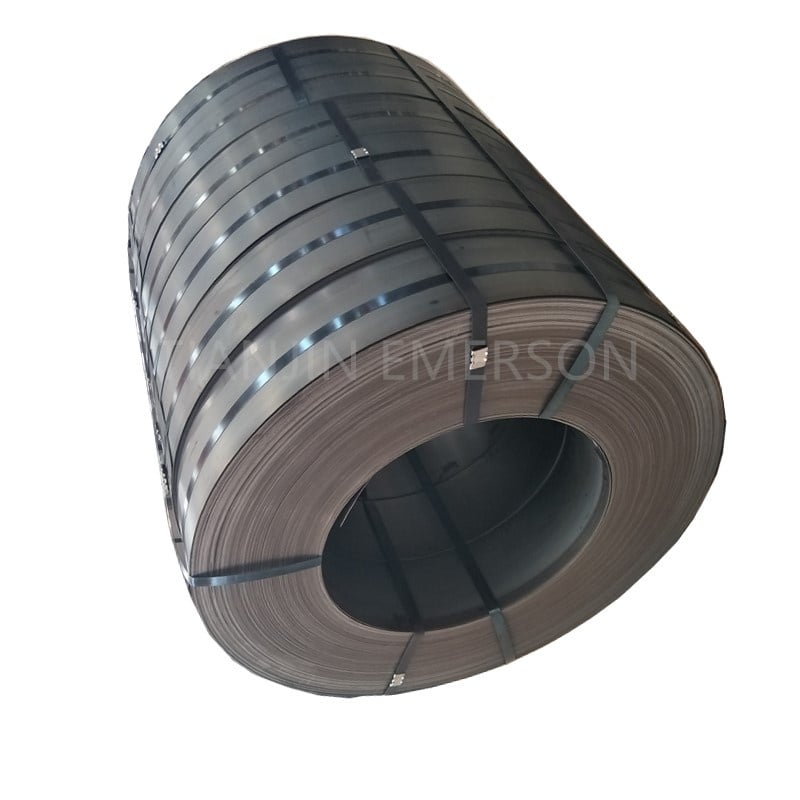
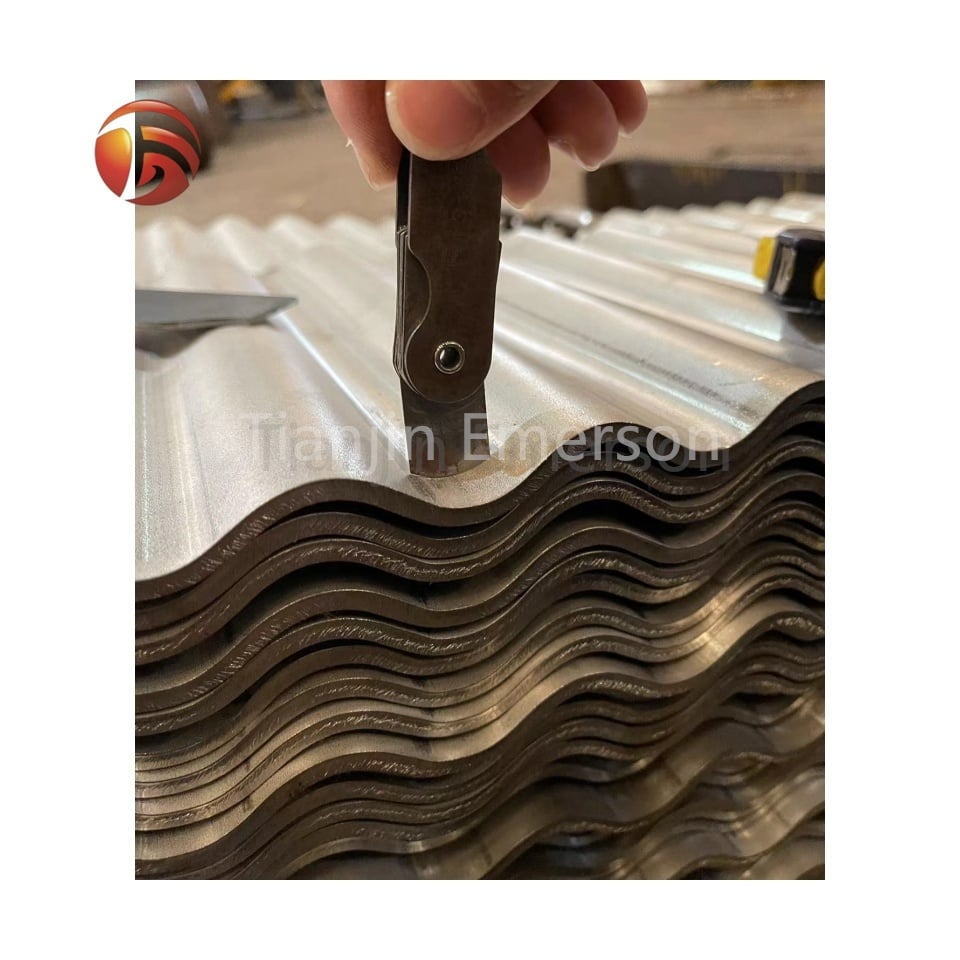
Steel coil processing encompasses slitting, cut-to-length shearing, and leveling operations, transforming parent coils into materials ready for direct processing within the metal supply chain. However, this conversion process is susceptible to various defects and operational challenges, potentially leading to diminished product quality, reduced output, and increased production costs. To prevent these issues, rigorous inspection of incoming parent coils is paramount. Inherent defects such as core bulges and edge curls inevitably transfer to slit strips and final products. These inherited flaws cause wedge-shaped porosity and bending deformation in slit strips, making subsequent correction through tool adjustments difficult or impossible.
Quality defects arising during slitting represent one of the most common and troublesome challenges in coil processing. Burrs—raised or jagged edges along the cut line—typically stem from improper blade alignment, incorrect blade gap settings, or worn/damaged blades. Similarly, progressive edge curling (warping) in slit strips may stem from arching defects in the parent coil, or be induced by uneven tension distribution during slitting, uneven material stress caused by dull blades, or misalignment of the slitting heads. Web warping in slitted coils is particularly problematic, as it directly causes bending, warping, and distortion defects in subsequent roll-formed profiles.
Surface defects during uncoiling present another category of processing challenges. When annealed thin cold-rolled steel sheets are uncoiled for temper rolling, adhesion and fusion welding may occur at the contact surfaces between coil blanks due to factors such as strip thickness, surface roughness, temperature, and metal properties. Such defects require strict control of uncoiling parameters, and in certain cases, inspection and rewinding lines must be employed to achieve meter-by-meter quality monitoring and repair of damaged areas. These production lines integrate automated thickness and width measurement, edge trimming (removing damaged edges), laser welding units (rejoining the strip after defect removal), and high-speed cutting of damaged sections. This ensures only premium material reaches the customer.
The core strategy for preventing processing defects in coil materials lies in precision calibration, regular maintenance, and appropriate equipment selection. Ensuring precise alignment and sharpness of slitting tools through timely grinding or replacement during routine inspections forms the foundation for achieving burr-free, clean cuts. Automated or semi-automated gap-free tooling systems and laser alignment tools deliver higher precision and repeatability compared to manual adjustments. Full-line tension control requires feedback loops utilizing ultrasonic sensors, tension rollers, or load cells to dynamically adjust motor speeds across uncoilers, slitters, and rewinders. This maintains optimal tension profiles, preventing arching, bowing, and loose coil conditions. For shape correction, selecting the appropriate straightener or precision leveler based on material requirements is critical. Simple open-type straighteners suffice for basic coil shaping and flattening needs, while closed-type levelers with back pressure—capable of tripling surface tension on the strip—are essential for eliminating bowing and complex shape defects.
Operators must also avoid common misconceptions, such as assuming incoming coil material is perfectly flat without verification, or viewing leveling machines merely as expensive straightening equipment—these are fundamentally distinct tools. Establishing a best practices program that enables production teams to share techniques and undergo regular training ensures operators maintain up-to-date and effective knowledge. Furthermore, standardized handling and storage protocols—including the use of edge protectors to prevent transport and storage damage—safeguard coil integrity throughout the supply chain. By integrating these preventive measures—rigorous incoming material inspection, precise equipment calibration, appropriate equipment selection, comprehensive operator training, and systematic maintenance—processing companies can significantly reduce defect rates, enhance material utilization, and consistently deliver high-quality slit coils and sheets meeting stringent manufacturing application requirements.