Introduction to PPGI Color Coated Coils for Decorative Architecture
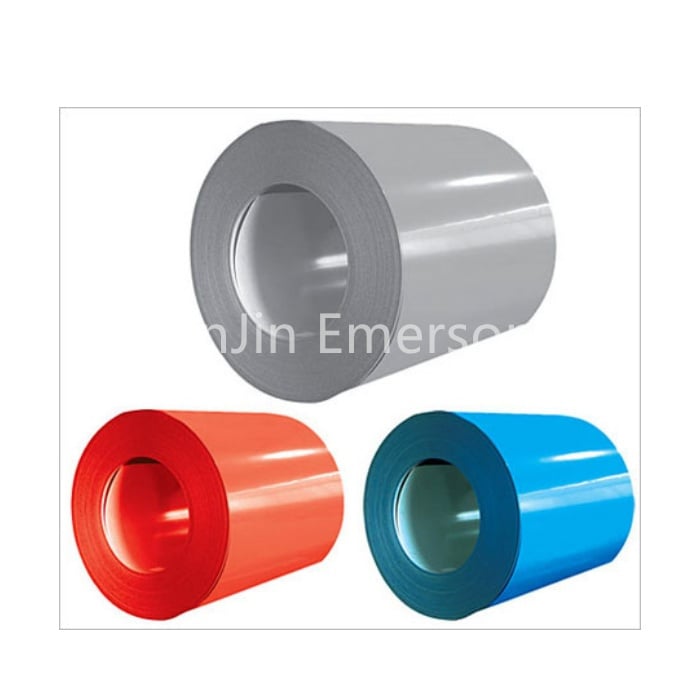
Pre-painted Galvanized Iron (PPGI) color coated coils are flat steel products on which a protective and decorative polymer coating is applied, combining the structural strength of a steel substrate with the superior corrosion resistance of a zinc or aluminum-zinc alloy layer and the aesthetic versatility of a factory-applied paint finish. The name “color coated steel sheet” is formally defined as a cold-rolled or galvanized steel substrate coated through a continuous roller coating process, involving precise pre-treatment stages including degreasing, phosphating, and chromate conversion, followed by high-temperature curing of the organic paint. In the field of decorative architecture, PPGI coils have become indispensable due to their ability to accurately meet diverse aesthetic needs while ensuring long-term structural integrity. They offer a wide range of visual effects—from classic metallic appearances to vibrant colored coatings, and even advanced printed finishes that can mimic natural textures such as granite, wood, or abstract art—making them highly sought after for architectural facades, roofing, interior partitions, and other high-visibility applications.
Production Process and Key Structural Features
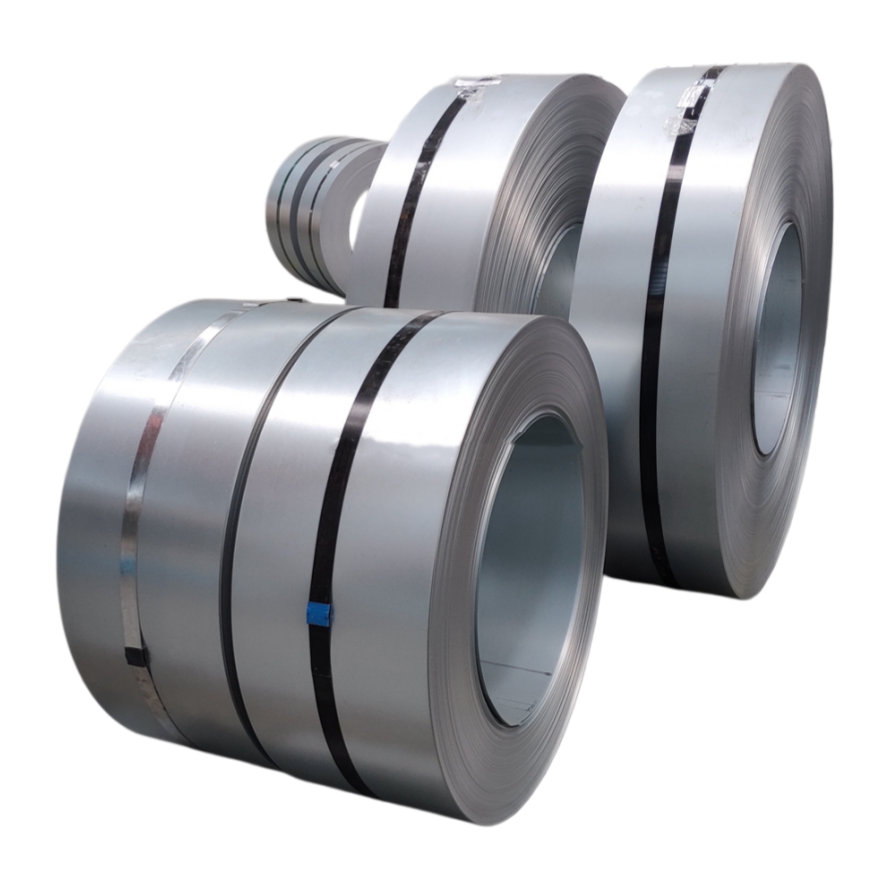
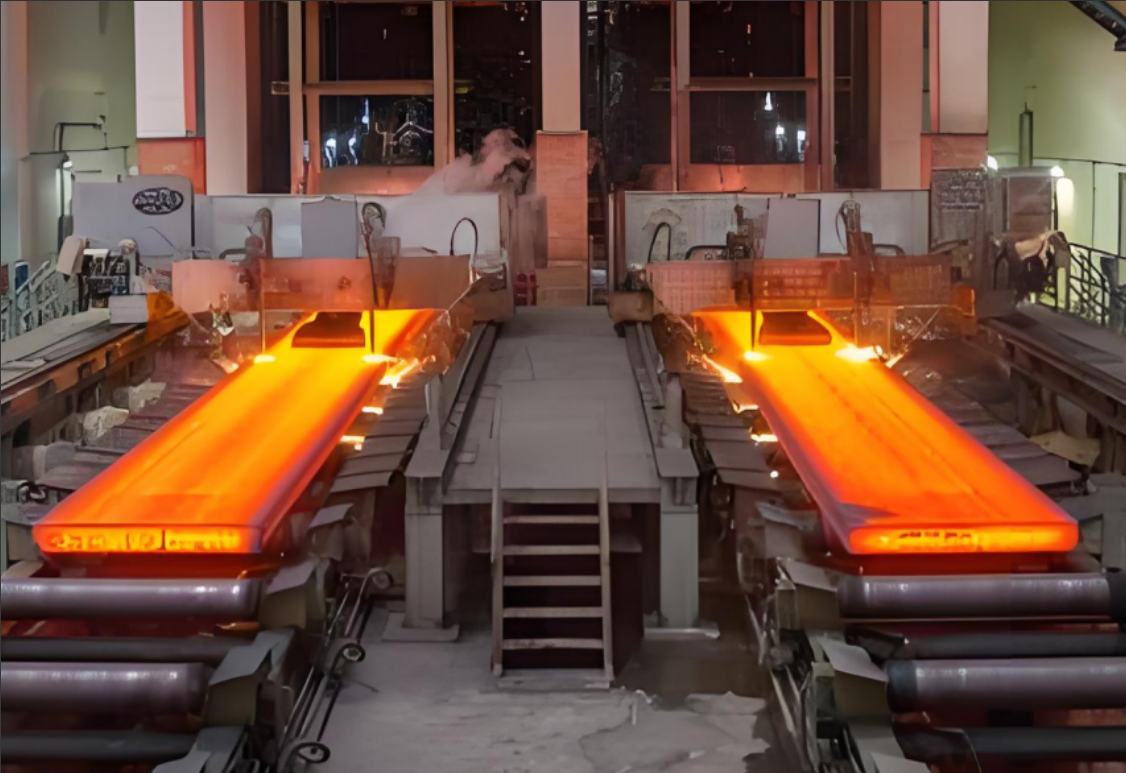
The manufacturing of high-quality PPGI coils for architectural use involves a highly controlled multi-stage process on continuous coil coating lines. The journey begins with the careful selection of the base metal, typically a hot-dip galvanized steel coil (GI) or a hot-dip aluminum-zinc alloy coated steel coil (GL), which undergoes skin passing to achieve the required flatness and surface profile. The coil is then unwound and cleaned using degreasing solutions and brushing to remove any oil, dirt, or rust, followed by chemical pre-treatment consisting of surface conditioning, conversion coating, and chromating to ensure optimal adhesion and corrosion resistance. The core of the process is the roller coating of multiple paint layers: a primer (typically 5-7µm thick, based on epoxy resin) that provides adhesion and supplementary corrosion protection, and a topcoat (typically 10-25µm thick) that provides color, gloss, and UV resistance. The topcoat is formulated with different resin systems—including Polyester (PE) for general use, Siliconized Modified Polyester (SMP) for better weathering, and Polyvinylidene Fluoride (PVDF) for superior color retention in coastal or high-saline areas. After roller coating, the coil enters a high-temperature baking oven (220-250℃) for curing, followed by cooling and optional post-treatment such as embossing to create three-dimensional patterns. The final coil is then rewound and packaged with protective film and moisture-proof wrapping.
Extensive Applications in Architectural Decoration
PPGI color coated coils have become a preferred material in the construction industry due to their exceptional combination of durability, design flexibility, and economic efficiency. They are extensively used for exterior applications such as roofing sheets and wall cladding for industrial, commercial, and residential buildings, as well as for curtail walls, fences, and advertisements. In interior decorative architecture, PPGI panels are ideal for creating modern, easy-to-clean surfaces in office partitions, elevator cabins, storefronts, exhibition stands, and high-end retail spaces, as they offer excellent flatness and a wide palette of colors and finishes including matte, gloss, and textured coatings. Beyond traditional construction, these coils are used in the transportation industry, furniture, and home appliances, demonstrating their exceptional material versatility. The growing demand for energy-efficient buildings has also highlighted the reflective properties of PPGI finishes—light or “cool” colors can significantly reduce building cooling loads by reflecting solar radiation, with some studies indicating energy consumption reduction by up to 40% in summer. With advanced printing technology, printed PPGI coils are now being used to create distinctive artistic effects that elevate the aesthetic quality of a building, demonstrating that PPGI is not just a structural material but also a tool for creative architectural expression.
Critical Precautions for Cutting and Forming
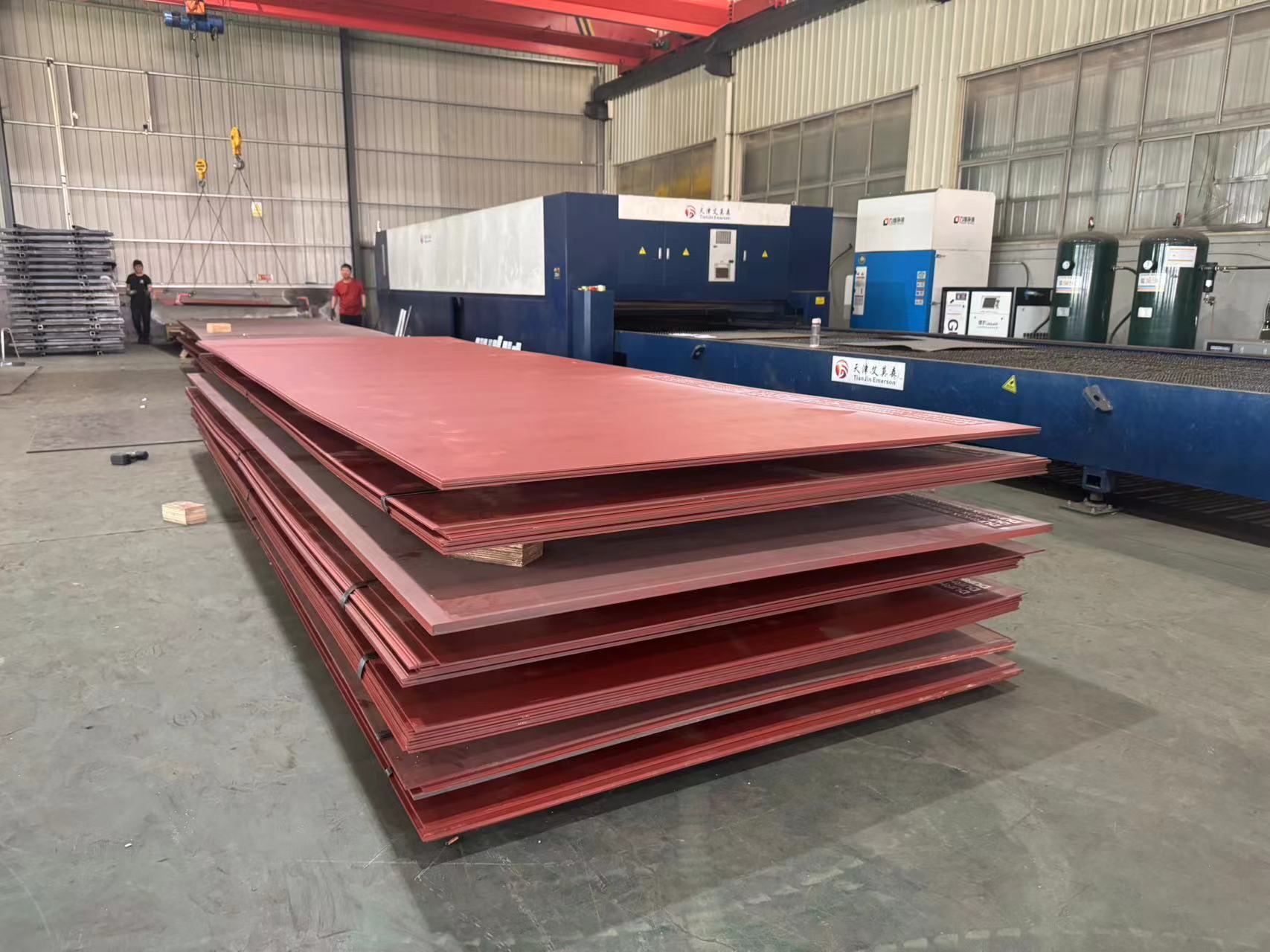
The superior performance of PPGI coils depends entirely on the preservation of the integrity of the coating during fabrication. When cutting PPGI sheets or coils, it is imperative to use specialized cold-processing methods to prevent heat damage. Precision shearing or laser cutting is preferred, as these techniques create smooth edges with almost no coating damage. In contrast, friction cutting methods such as grinding wheel cutting should be strictly avoided, as they generate high temperatures and debris that directly burn or scratch the coating. If laser cutting is used, operators must manage parameters carefully to avoid hot metal powder adhesion on the coated surface. Sharp, dedicated cutting tools, such as coated shearing blades or toothed saw blades, should be employed to ensure a clean cut without chipping the paint. During forming operations, such as bending, roll forming, or stamping, it is crucial to adhere strictly to the processing parameters provided by the material supplier, particularly the minimum bending radius. For high-quality PE coatings, a T-bend test result of ≤3T with no cracking or peeling indicates good formability. However, exceeding the recommended deformation limits can cause micro-cracks that, while invisible to the naked eye, will compromise the long-term corrosion resistance of the material. Operating the material in low-temperature conditions (ideally above 7℃) helps maintain coating flexibility and prevents embrittlement during forming. During installation, professionals should avoid dragging one panel over another or walking directly on the coated surface, as this can cause scratches.
Essential Handling, Storage, and Maintenance Guidelines
Proper storage, handling, and maintenance protocols are essential to protect the delicate surface finish of PPGI coils and guarantee their performance over the intended service life. PPGI coils must be stored indoors in a dry and well-ventilated environment, away from sources of moisture, chemicals, and corrosive media such as acids, alkalis, organic solvents, and salts. The humidity in the warehouse should be controlled to ≤70%, and the coils should be placed on pallets or racks to keep them off the ground, preventing rust and water damage. When stacking coils, avoid stacking too high to prevent indentation and deformation on the lower layers. The coils should be stored away from areas prone to condensation or large temperature differences, which can cause moisture to become trapped between wraps and lead to the formation of “white rust” on the cut edges. During transportation, it is recommended to use dedicated vehicles equipped with moisture-proof measures and cushioning materials, and coils must be firmly fixed to prevent shifting or collision. When lifting the coils, always use vacuum lifts or padded belts; never use wire ropes or direct metal hooks, as these will compress and damage the coating. For outdoor use, such as roofing, the slope of the coated panel should not be less than 10 degrees to ensure proper water runoff and to prevent long-term moisture accumulation. Should the coating be scratched or damaged during handling or installation, it must be repaired promptly using special touch-up paint to restore the protective barrier and ensure the service life of the panel.
Conclusion: The Future of Architectural Finishing
The PPGI color coated coil market is experiencing significant global growth, projected to reach an estimated value of $25 billion in 2024, driven by urbanization, the demand for energy-efficient construction, and evolving design preferences. The versatility of PPGI to be easily cut, bent, roll-formed, and installed with standard tools, combined with the factory-applied durability of its coating, provides architects and builders with a high-performance, cost-effective solution for both new construction and retrofit projects. As technologies advance, the availability of printed PPGI and textured finishes will further blur the line between structural material and artistic medium, ensuring its position as a leading material in modern architectural decoration.