General Applications of Cold Rolled Coil
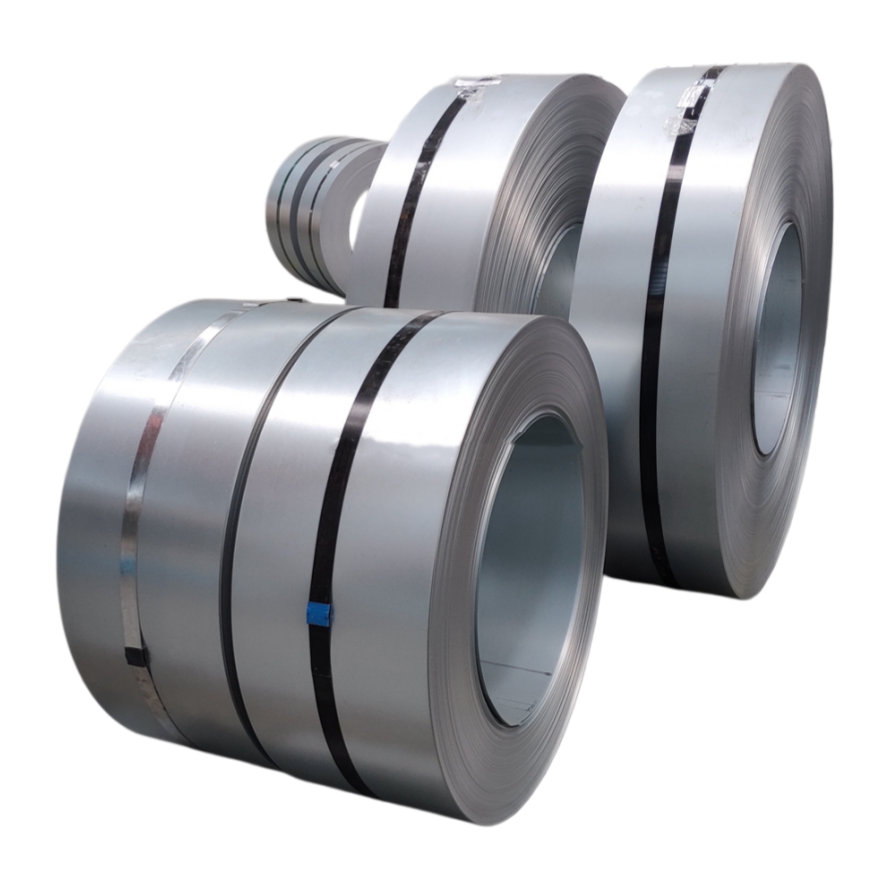
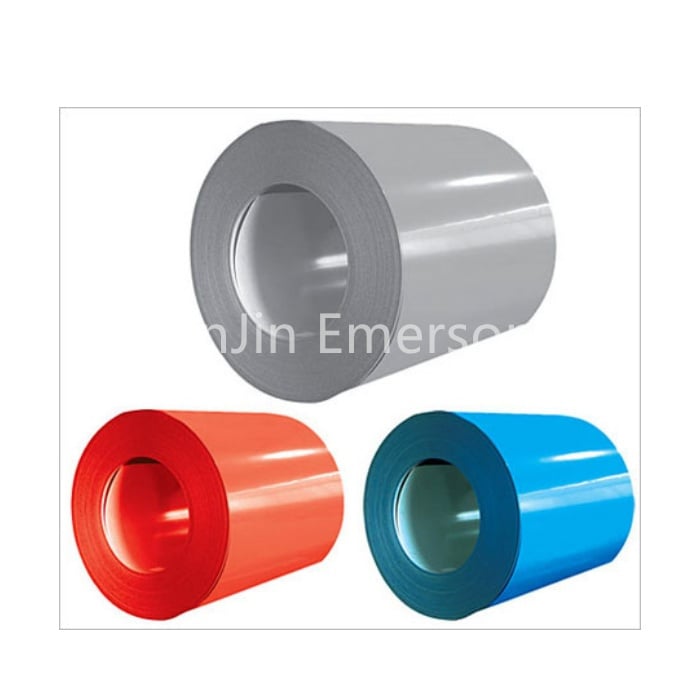
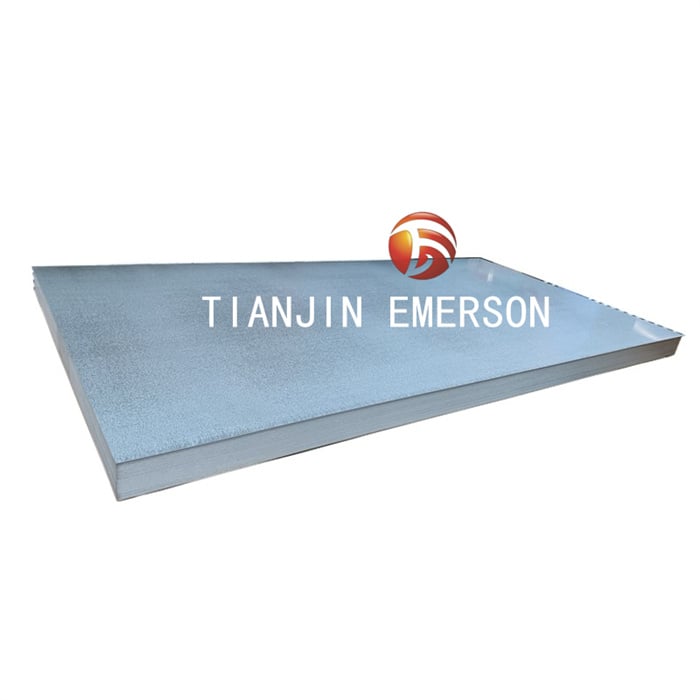
Cold rolled coil (CRC) is a premium flat steel product used across industries where surface quality, dimensional precision, and mechanical consistency are paramount. In the automotive sector, CRC forms body panels (doors, hoods, fenders), structural reinforcements, and chassis components. The home appliance industry relies on CRC for refrigerator cabinets, washing machine drums, and microwave oven casings. Construction applications include metal roofing, wall cladding, door and window frames, and light-gauge steel framing. Electronics and office furniture manufacturers use CRC for computer chassis, server racks, filing cabinets, and shelving. Additionally, CRC serves as the base material for coated products such as galvanized (GI), galvalume (GL), and pre-painted (PPGI) steel. Its thickness typically ranges from 0.2mm to 3.0mm, with widths from 600mm to 1850mm. The cold rolling process, performed at room temperature, refines the steel’s microstructure, delivering a smooth, bright surface that requires minimal preparation before painting or plating.
Advantages Over Hot Rolled Coil: Surface Finish and Dimensional Tolerances
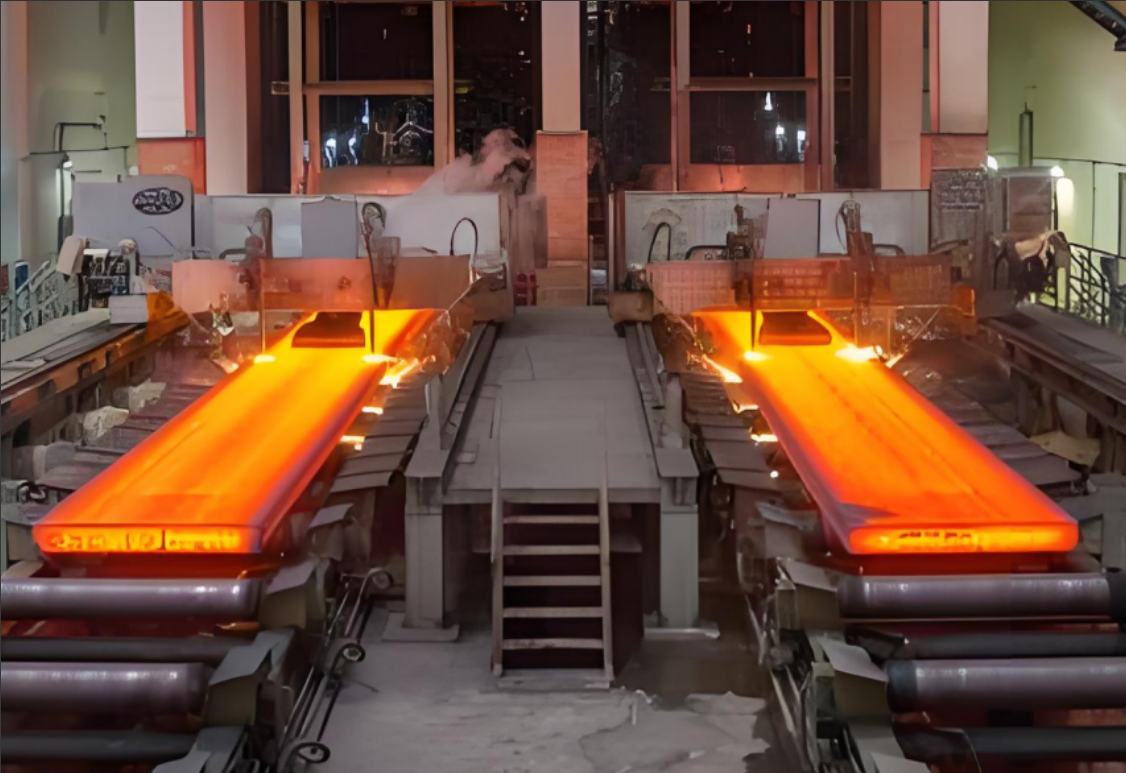
Compared to hot rolled coil (HRC), cold rolled coil offers three decisive advantages. First, surface finish: HRC has a rough, blue-gray surface covered with tenacious mill scale, while CRC is smooth, clean, and often lightly oiled, ready for painting or coating without blasting or pickling. This superior surface quality is essential for visible, high-value components. Second, dimensional precision: Cold rolling achieves much tighter thickness tolerances—typically ±0.03mm versus ±0.2mm for HRC—and superior flatness, allowing parts to fit together consistently without shimming or rework. Third, mechanical properties: The work hardening effect of cold rolling increases yield and tensile strength by 10–20% compared to HRC of the same chemistry, enabling lighter-gauge designs without sacrificing load capacity. While CRC carries a higher per-ton cost due to additional processing (pickling, cold reduction, annealing, temper rolling), this premium is often offset by reduced finishing costs and lower scrap rates in high-volume stamping and roll forming operations. For applications where surface quality and tight tolerances are critical—such as automotive outer panels and appliance housings—CRC is the undisputed standard.
When to Choose Cold Rolled vs. Hot Rolled Coil
Selecting between CRC and HRC depends on the application’s balance of cost, appearance, and performance. Choose cold rolled coil when you need: a smooth, paintable surface (e.g., visible enclosures, furniture); tight dimensional tolerances (e.g., stamped parts that must fit precisely); enhanced strength without additional alloying; or a base for galvanizing or pre-painting where surface quality affects coating adhesion. Choose hot rolled coil when the application involves thick gauges (>3mm), heavy structural loads (e.g., building beams, bridge sections, railcar frames), or where surface appearance is not critical and cost is the primary driver (e.g., pipe and tube mill feedstock, agricultural equipment, shipping containers). Many fabricators stock both forms: HRC for heavy structural blanks and CRC for precision sheet components. By understanding these differences, engineers and purchasers can optimize material selection for each project, balancing initial material cost against finishing, scrap, and performance requirements.