Strategic Sourcing and Supplier Qualification for Raw Materials
Effective supply chain management begins with strategic sourcing of steel raw materials—plates, coils, bars, and tubes—from certified mills and reliable distributors. Industrial buyers should prioritize suppliers who maintain extensive inventories of carbon steel, stainless steel, and aluminum in standard grades (ASTM A36, 304, 6061) and who provide full material traceability through mill test reports (MTRs). A key metric is supplier lead time consistency; buyers should evaluate on-time delivery performance, safety stock levels, and the supplier’s ability to cut-to-length or slit coils to custom dimensions, reducing in-house waste. Vendor qualification must include audits of quality management systems (ISO 9001) and, for products entering regulated markets, specific certifications such as CE marking or pressure equipment directives. Additionally, developing second-source relationships mitigates risks of single-supplier dependency, especially for high-volume or specialty grades. By integrating supplier performance scorecards that track quality, delivery, and responsiveness, buyers can build a resilient raw material supply base that directly supports fabrication efficiency.
Optimizing Fabrication Workflow and Outsourcing Decisions
Once raw material is secured, the next supply chain layer involves managing the fabrication process—whether in-house or through contract manufacturing partners. For industrial buyers, decisions on outsourcing cutting, bending, welding, or finishing should be based on core competencies and capacity utilization. Advanced fabrication shops equipped with fiber laser cutters, CNC press brakes, and robotic welding cells offer economies of scale for non-core operations. When selecting a fabrication partner, buyers must evaluate the supplier’s capability to handle custom drawings, their certification to standards like AWS D1.1 or EN 1090, and their quality control protocols (first-article inspection, NDT). A critical supply chain lever is consolidating orders to achieve batch processing efficiency: grouping parts with similar material thickness and finish requirements into production runs reduces setup costs and lead times. Implementing vendor-managed inventory (VMI) agreements for frequently consumed fabricated components—such as brackets, supports, and enclosures—minimizes the buyer’s in-house storage and ordering overhead. Real-time communication of production status, using digital job tracking portals, ensures transparency and enables proactive adjustments to schedule changes.
Logistics Integration and Risk Mitigation in Metal Supply Chains
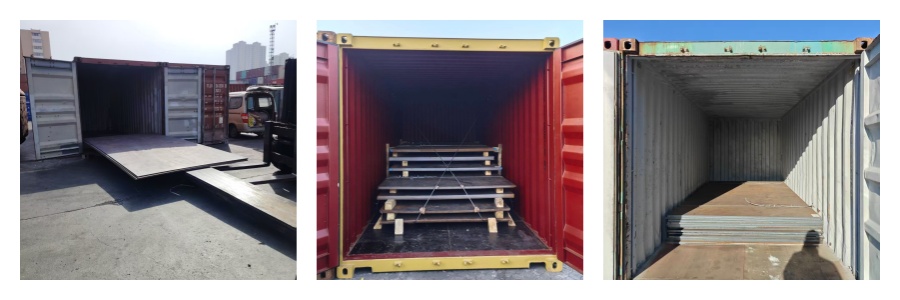
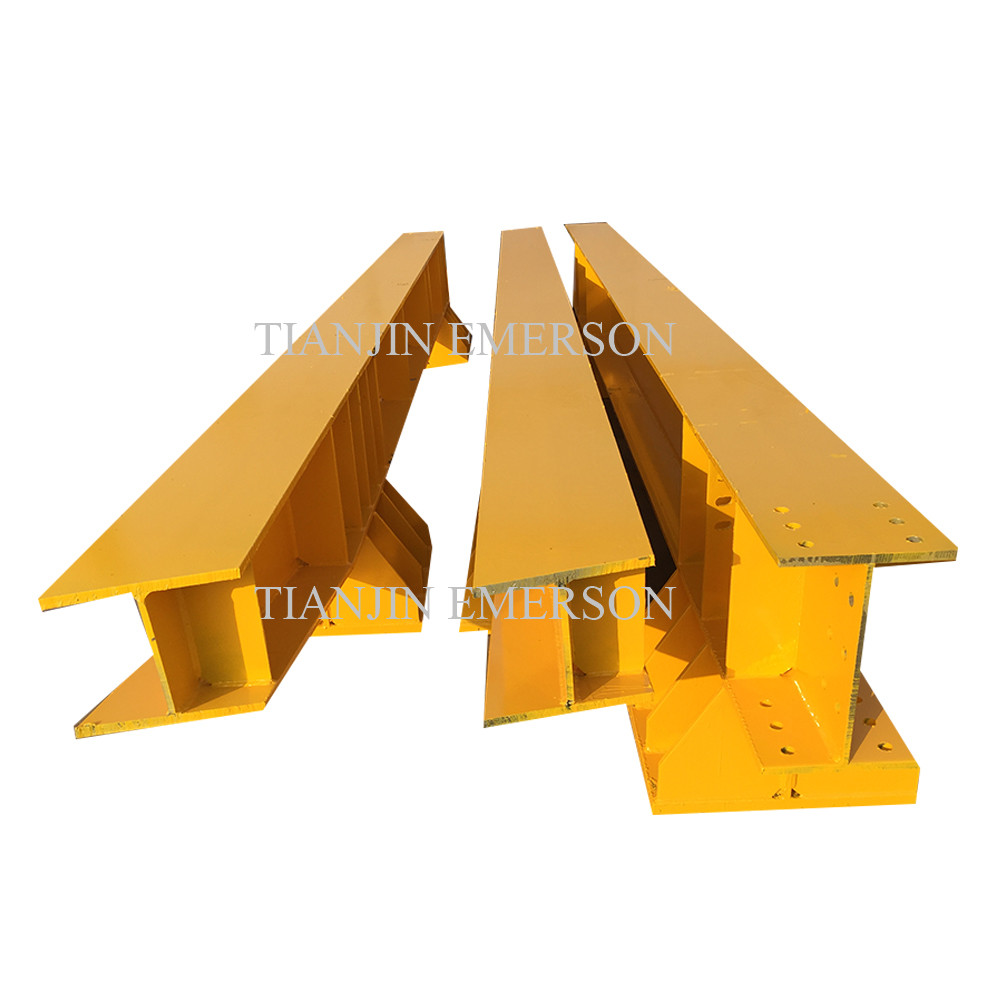
The final stage of supply chain management for fabricated metal products encompasses warehousing, packaging, and transportation logistics. For heavy or large-scale components—such as structural steel frames or machine bases—shipping costs and lead times are highly sensitive to load planning, packaging density, and carrier selection. Industrial buyers should work with fabricators who offer kitting and sequenced delivery, where parts are packaged in assembly order to reduce on-site sorting and handling time. Inventory management techniques such as economic order quantity (EOQ) and safety stock modeling help balance holding costs against stockout risks, especially for imported or long-lead materials. Risk mitigation strategies include diversifying transportation modes, maintaining regional buffer stocks for critical components, and establishing emergency response protocols for supply disruptions (e.g., raw material price spikes or logistics bottlenecks). Digital supply chain tools, including barcode tracking and RFID tagging of finished parts, provide end-to-end visibility from fabrication shop floor to buyer’s assembly line. By integrating these logistics and risk management practices, industrial buyers can achieve shorter lead times, lower total landed costs, and greater supply chain resilience.