Material Selection: The Foundation of Structural Integrity
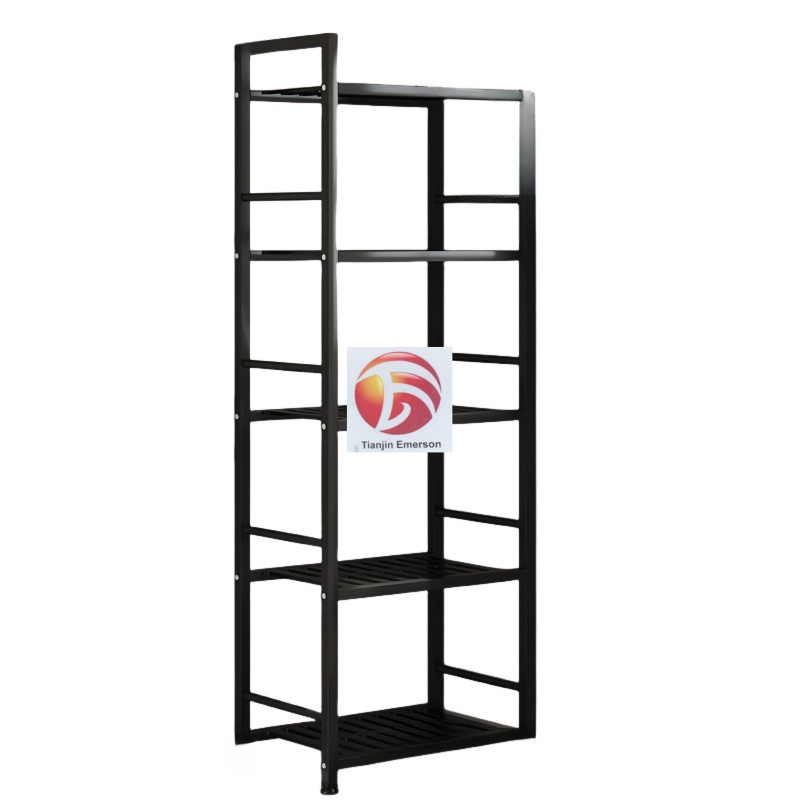
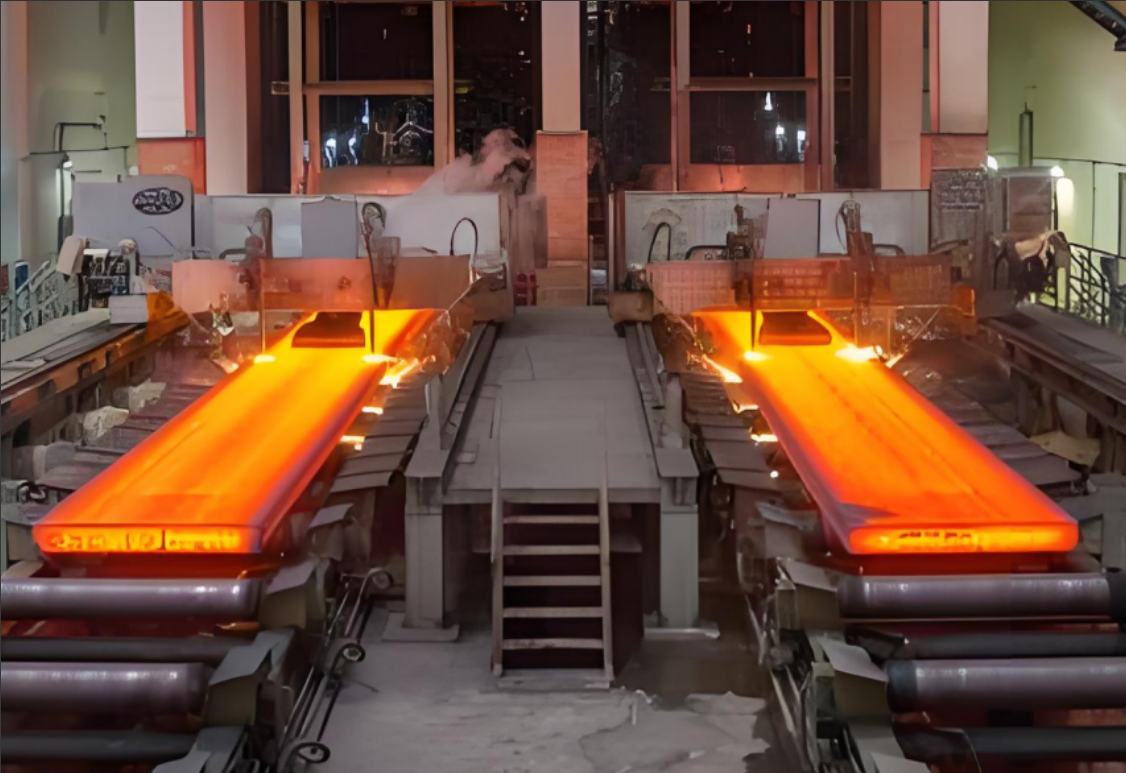
The selection of appropriate materials is the critical first step in manufacturing steel racks that can withstand the demanding conditions of industrial environments. For the main frame and structural components of high-quality steel racks, Q235 carbon structural steel is the industry standard, widely used in heavy-duty applications such as bridges, industrial structures, and high-performance machinery. This material is chosen for its exceptional strength, providing the high tensile strength necessary to support immense loads—with well-engineered racks capable of holding up to 4.5 tons (approximately 10,000 lbs) or more per drawer without structural fatigue or deformation.
Q235 steel also offers superior toughness, allowing the rack to absorb energy from accidental impacts—common in busy workshops from forklifts or falling materials—and resist fracturing. Its excellent weldability ensures strong, reliable joints that form a solid, monolithic structure capable of lasting for decades. For applications requiring higher strength, Q345 steel (yield strength ~345 MPa) may be specified, offering enhanced load-bearing capacity. For load-bearing members such as beams and vertical uprights, high-strength hot-rolled steel with a minimum yield strength of 255 MPa to 355 MPa is often required.
Alternative materials include stainless steel (Type 304) for racks in corrosive or hygienic environments, such as food processing or cleanrooms. For lighter-duty shelving, cold-rolled commercial quality steel (CR-CA) with thicknesses around 1.0mm may be used for shelf panels. The choice of material grade directly impacts the rack's load capacity, durability, stability, and resistance to impacts.
Sheet Metal Processing: From Flat Stock to Structural Components
The transformation of raw sheet metal into functional rack components involves a series of precision manufacturing steps. The process begins with material pretreatment, where steel sheets undergo leveling, rust removal, and surface treatment to prepare them for subsequent forming and to enhance corrosion resistance.
Cutting is the first forming step, utilizing technologies such as laser cutting, plasma cutting, or CNC punching for precise blanking. These methods ensure that each component's dimensional tolerance is maintained within ±0.5mm, laying the foundation for accurate assembly. CNC roll-forming lines are commonly used for high-volume production of standardized profiles such as uprights and beams.
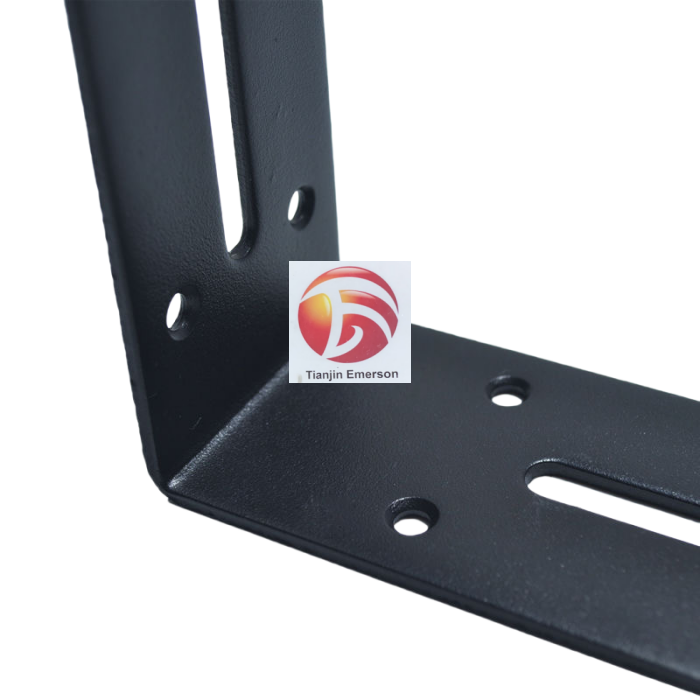
Bending is a key step where a hydraulic press brake forms the steel sheets to the designed angle—typically 90° or custom angles—to create the main structural components, such as columns and beams. For more complex profiles, uprights may be roll-formed with multiple bends to achieve the desired "omega" or other engineered shapes that provide structural rigidity.
Welding is critical for joining components into a solid structure. Automated gas shielded arc welding (MIG/MAG) or resistance spot welding ensures weld strength and aesthetics. Robotic welding stations are increasingly employed to ensure consistency and quality across large production batches. Precision welding of Q235 beams is essential for preventing frame twist or bow under load, which would cause bearing bind and drawer jamming. For bolted assemblies, components are designed with precision holes for high-strength bolts or clips.
Surface Treatment and Corrosion Protection
Surface treatment is essential for protecting steel racks from rust and corrosion, which is particularly critical in industrial settings where exposure to moisture, chemicals, and physical abrasion is common. Common finishing methods include:
-
Powder coating: Applied through electrostatic spraying, this creates a wear-resistant, rust-proof finish available in various colors. Powder coating should meet 60–80μm thickness standards for optimal abrasion resistance.
-
Hot-dip galvanizing: Provides superior corrosion protection, with some high-end products achieving salt spray resistance of over 1,000 hours. A minimum zinc coating of 60g/m² is recommended.
-
Electro-galvanization: Offers a thinner zinc coating suitable for indoor applications.
The choice of surface treatment depends on the operating environment, with hot-dip galvanizing preferred for outdoor or highly corrosive conditions and powder coating suitable for indoor industrial use.
Quality Assurance and Compliance
Quality assurance is integrated throughout the manufacturing process to ensure that steel racks meet specified performance and safety standards. Finished products undergo load-bearing tests (such as a static load of 1.5 times the design load), dimensional verification, and weld non-destructive testing to ensure compliance with industry standards such as GB/T 23824, FEM 10.2.02, EN 15512, or ANSI MH27.1. Material Test Certificates (MTCs), salt spray test results (minimum 500 hours), and static load testing reports should be provided to verify compliance.
Key Design Considerations for Sheet Metal Racks
When designing steel racks for sheet metal fabrication shops, several factors must be considered. The thickness of stored material affects weight distribution; a thin stack of dense steel plates can reach weight limits faster than a thicker stack of lighter aluminum. Racks should be designed with adjustable clearances to accommodate different material thicknesses within the same unit.
The load capacity dictates the required material thickness and structural design. For light-duty shelving, 1.0mm sheet may suffice, while heavy-duty racks require uprights of at least 1.6mm, beams of 1.5mm, and panels of 1.2mm. The base plate should be at least 5mm thick to provide stability. Components should be fabricated square and rigid, with posts plumb and true, and shelves flat and free of dents or distortion. Exposed metal edges must be free of sharp edges and burrs.
By integrating proper material selection, precision sheet metal processing, durable surface finishing, and rigorous quality control, manufacturers can produce steel racks that deliver reliable, long-lasting performance in demanding industrial environments.