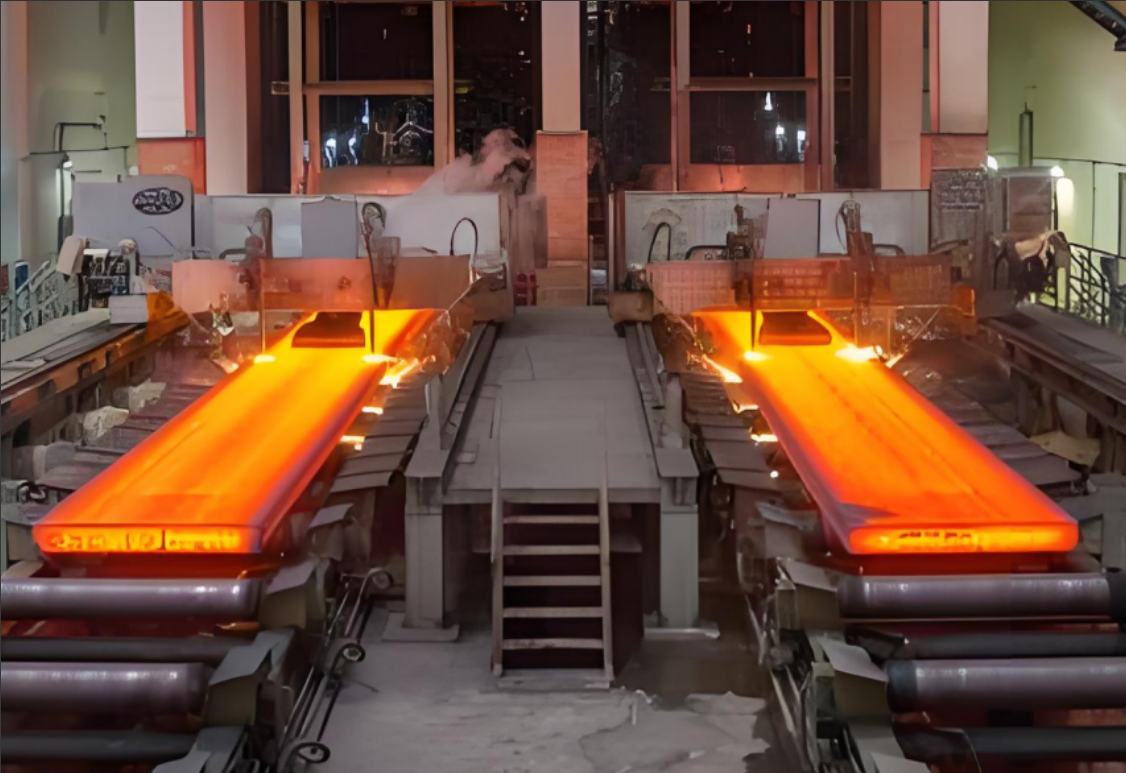
Manufacturing Process: Precision Hot Rolling for Superior Pattern Integrity
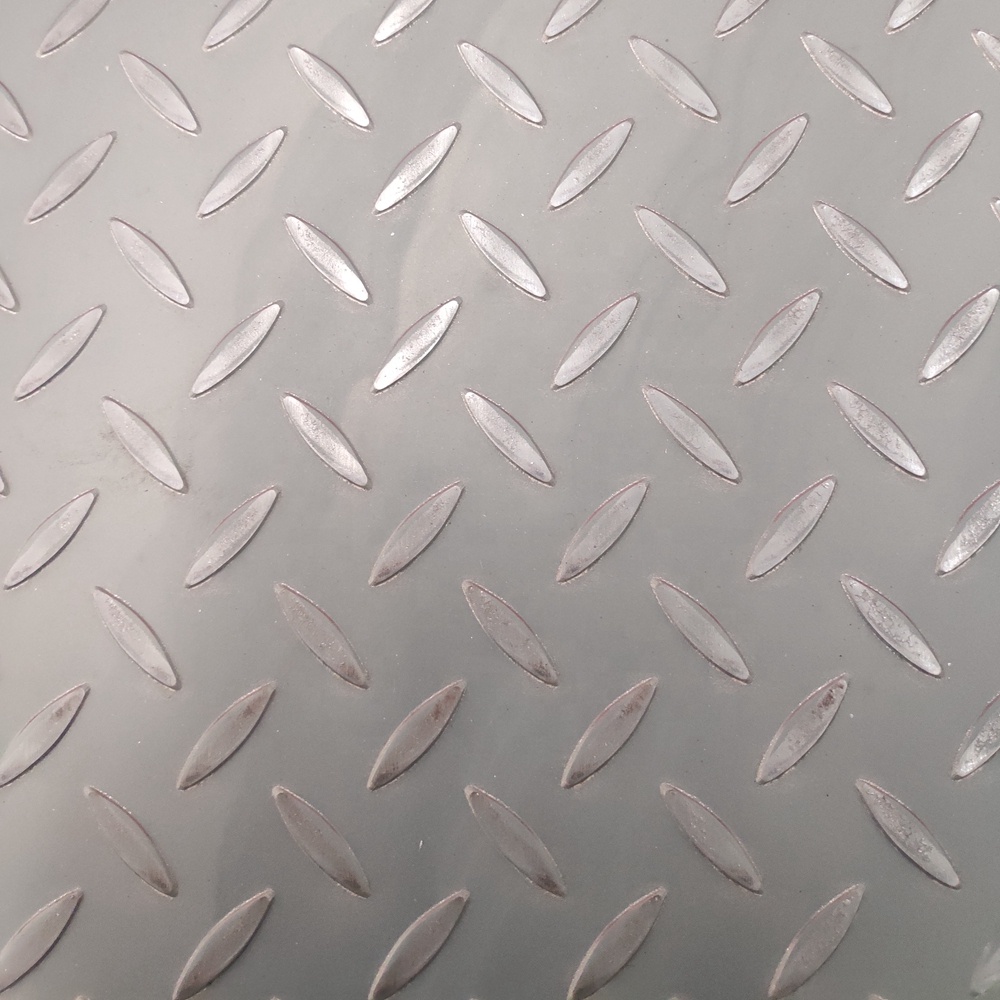
Tear drop checkered sheet, also known as chequer plate or tread plate, is manufactured through a specialized hot rolling process that permanently embeds the anti-slip pattern into the steel surface. The production begins with a steel slab—typically made from low-carbon or mild steel grades such as ASTM A36, S235JR, or SS400—which is heated to approximately 1,250°C in a reheating furnace. The heated slab then passes through a series of roughing and finishing rolling stands. In the final finishing stand, patterned work rolls engraved with the negative of the tear drop design impress the raised pattern directly into the hot metal surface. This one-step hot rolling method ensures that the pattern is metallurgically bonded to the base material, creating a durable, indestructible surface that will not wear away or delaminate under heavy use. After rolling, the patterned sheet undergoes leveling, fixed-length cutting, and inspection before being coiled or cut into plates. For stainless steel and aluminum versions, mechanical embossing through rolling mills is also employed, where patterned rollers press the pattern into the surface under high pressure. This manufacturing versatility allows tear drop checkered sheet to be produced in a wide range of base thicknesses—typically from 2.0mm to 12.0mm—with pattern heights ranging from 0.8mm to 1.5mm.
Material Grades and Dimensional Specifications
Tear drop checkered sheet is available in multiple material grades to suit diverse application requirements. Common carbon steel grades include Q235B (Chinese standard, minimum yield strength ≥235 MPa), SS400 (Japanese standard, ≥245 MPa), ASTM A36 (US standard, ≥250 MPa), and S235JR (European standard, ≥235 MPa). For enhanced corrosion resistance, stainless steel grades such as 304 and 316 are available, while aluminum alloys in the 1000, 3000, and 5000 series offer lightweight alternatives with natural corrosion resistance. The tear drop pattern itself conforms to established international standards: DIN 59220:2000 pattern T for the European market and ASTM A786/A768M pattern 4 for American specifications. Standard widths range from 1,000mm to 1,800mm, with lengths from 2,000mm to 12,000mm. Dimensional tolerances for base thickness are typically ±0.20mm for plates up to 3mm and ±0.30mm for thicker plates. The theoretical weight of checkered sheet includes both the base plate and a pattern allowance, with a 6.0mm base plate weighing approximately 52.5–54.0 kg/m².
Superior Anti-Slip Performance and Safety Advantages
The defining advantage of tear drop checkered sheet is its exceptional anti-slip performance, which significantly enhances workplace safety across diverse environments. The elongated, tear-shaped raised projections provide excellent grip in all directions, maintaining traction even when the surface is subjected to water, oil, grease, or dust. The coefficient of friction for tear drop checkered plate typically ranges from 0.4 to 0.6 in dry conditions and 0.3 to 0.4 in wet conditions. Studies indicate that teardrop-patterned surfaces can reduce slip-related accidents by up to 30% in high-traffic areas such as construction sites and industrial platforms. Unlike temporary anti-slip coatings that can wear away, the raised pattern is formed during the hot rolling process and is therefore an integral part of the metal itself, providing permanent slip resistance that will not degrade over time. This self-draining design also prevents the accumulation of liquids, further reducing slip hazards in wet or oily industrial environments. The combination of structural strength and permanent anti-slip properties eliminates the need for separate floor coatings in industrial environments, reducing both initial installation costs and long-term maintenance expenses.
Excellent Processing Adaptability and Fabrication Versatility
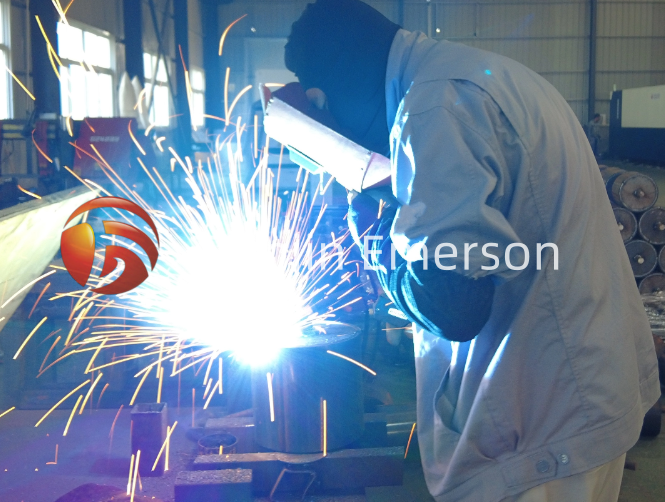
Tear drop checkered sheet offers outstanding processing adaptability, supporting a full range of fabrication operations including cutting, bending, stamping, punching, and welding. The material exhibits superior plasticity, toughness, and weldability, enabling high-quality forming and joining results across various applications. Precision cutting services—including shearing, laser cutting, and plasma cutting—can produce custom dimensions and shapes to meet specific project requirements. CNC bending operations allow the sheet to be formed into stair treads, ramps, and curved architectural elements without compromising pattern integrity. Welding can be performed using standard techniques, with the tear drop pattern remaining intact in the heat-affected zones. For stainless steel variants, the material's corrosion resistance is preserved through the fabrication process. Additional value-added services such as drilling, beveling, deburring, and shot blasting with primer application are readily available. This exceptional fabrication versatility makes tear drop checkered sheet adaptable to virtually any industrial or architectural application, from simple floor plates to complex custom-fabricated structures.
Diverse Applications Across Industries
The combination of anti-slip properties, structural strength, and processing versatility makes tear drop checkered sheet indispensable across numerous industries. In industrial facilities, it serves as flooring for walkways, platform decks, mezzanine floors, and equipment access platforms. Transportation applications include truck beds, trailer floors, ship decks, bus step treads, and vehicle ramps. Construction and infrastructure projects utilize tear drop checkered sheet for stair treads, fire escapes, bridge inspection walkways, and gangways. Architectural applications include feature walls, decorative panels, and non-slip entryways. The material is also widely used in mining equipment platforms, scaffolding boards, trench covers, machine guards, and loading dock surfaces. For aluminum variants, additional applications extend to building exterior materials, roofing, elevator interiors, and cold storage flooring. By combining permanent slip resistance, structural integrity, and excellent fabrication characteristics, tear drop checkered sheet delivers reliable, long-lasting performance across the most demanding industrial and architectural environments.