Essential Sheet Metal Processing Technologies: Laser Cutting, Bending, and Welding

Essential Sheet Metal Processing Technologies: Laser Cutting, Bending, and Welding

News

Home >  News

Essential Sheet Metal Processing Technologies: Laser Cutting, Bending, and Welding

12 Jun 2026

Laser Cutting: High-Precision Separation for Complex Profiles

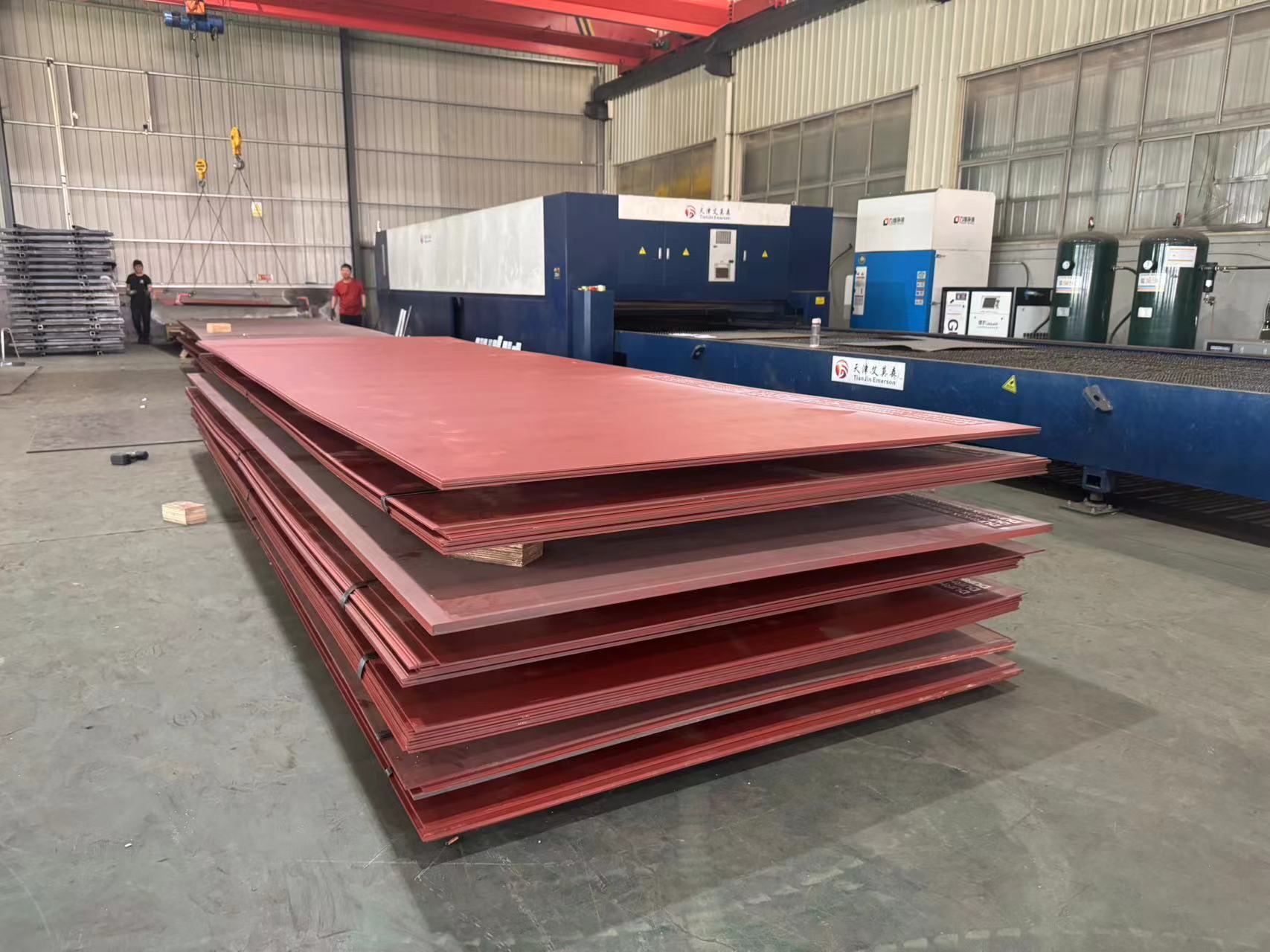
Laser cutting is a thermal separation process that uses a focused high-power laser beam—typically from a fiber or CO₂ resonator—to melt, burn, or vaporize metal along a programmed path, assisted by a coaxial gas jet (oxygen for carbon steel, nitrogen for stainless steel and aluminum). This technology excels at producing intricate shapes, sharp internal corners, small holes (down to 0.2mm), and tight tolerances (±0.1mm) without tooling wear. It is ideal for thin to medium gauges (0.5–25mm carbon steel, up to 20mm stainless) and virtually any 2D profile. Applications include chassis, enclosures, brackets, and decorative panels. Advantages: burr‑free edges, minimal heat‑affected zone, high repeatability, and no die costs.

CNC Bending: Precision Forming for Three-Dimensional Shapes

CNC bending, performed on press brakes, transforms flat laser‑cut blanks into three‑dimensional parts by applying controlled force through a punch and die set. The process relies on accurate calculation of springback—especially critical for stainless steel and high‑strength alloys—and uses backgauges to position the workpiece. Advanced systems feature real‑angle measurement and automatic crowning to ensure bend angles within ±0.5° and consistent flange lengths. Bending is essential for producing U‑channels, V‑shapes, boxes, and complex multi‑bend components such as server racks, agricultural equipment housings, and automotive brackets. It offers high repeatability for medium to high volumes and supports a wide range of thicknesses (0.5–20mm) and materials (carbon steel, stainless, aluminum).

Welding: Permanent Assembly for Structural Integrity

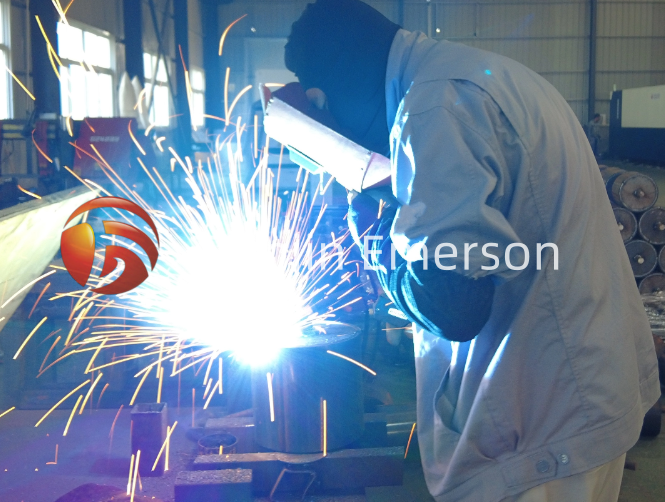
Welding joins two or more metal parts by melting the base material—and often adding filler metal—to form a continuous, load‑carrying joint. The main sheet metal welding processes include Gas Metal Arc Welding (GMAW/MIG), favored for its speed and versatility on carbon steel, and Gas Tungsten Arc Welding (GTAW/TIG), chosen for clean, precise welds on stainless steel and aluminum. Spot welding (resistance welding) is used for overlapping sheet metal joints (e.g., automotive panels). Welding transforms cut and bent components into finished assemblies such as cabinets, frames, tanks, and enclosures. Key quality requirements include proper joint preparation, qualified welding procedures, and post‑weld inspection (visual, dye penetrant, or ultrasonic). When combined with laser cutting and bending, welding completes the sheet metal fabrication workflow, enabling the production of durable, custom‑engineered metal structures for industrial, architectural, and infrastructure applications.