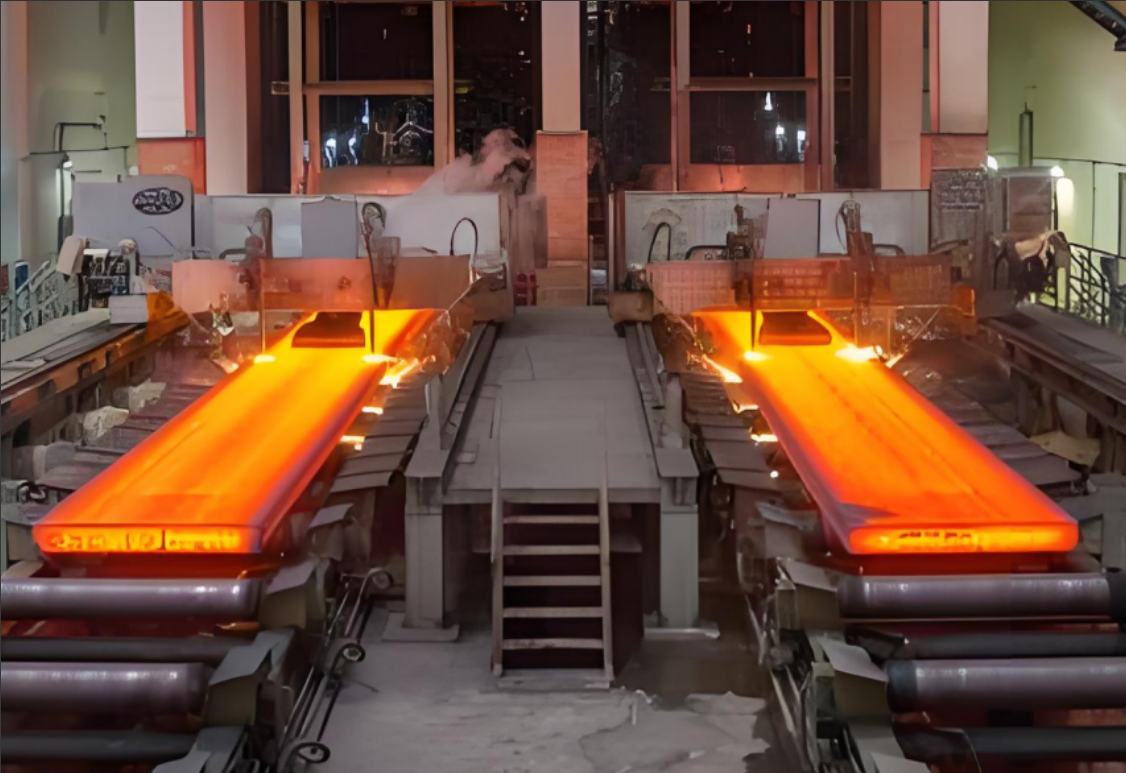
औद्योगिक अनुप्रयोगों के लिए वेल्डेड इस्पात संरचनाओं के निर्माण को अंतरराष्ट्रीय मानकों के एक व्यापक ढांचे द्वारा नियंत्रित किया जाता है, जो सामग्री, प्रक्रियाओं, योग्यता प्रक्रियाओं और गुणवत्ता प्रबंधन प्रणालियों के लिए आवश्यकताओं को परिभाषित करते हैं। ये मानक इमारतों, पुलों, दबाव वाहकों और औद्योगिक उपकरणों में वेल्डेड संयोजनों की आवश्यक शक्ति, टिकाऊपन और विश्वसनीयता सुनिश्चित करने के लिए तकनीकी आधार के रूप में कार्य करते हैं, जो उनके सेवा जीवन के दौरान बनी रहती है। औद्योगिक इस्पात निर्माण में शामिल निर्माताओं, इंजीनियरों और गुणवत्ता आश्वासन कर्मियों के लिए इन मानकों के क्षेत्र और अनुप्रयोग को समझना आवश्यक है।
अंतरराष्ट्रीय वेल्डिंग मानक: क्षेत्र और अनुप्रयोग
औद्योगिक स्टील निर्माण में सबसे व्यापक रूप से अपनाए जाने वाले वेल्डिंग मानकों में एवीएस डी1.1/डी1.1एम (संरचनात्मक वेल्डिंग कोड – स्टील), एएसएमई खंड IX (वेल्डिंग, ब्रेज़िंग और फ्यूज़न योग्यता), ईएन 1090 (स्टील संरचनाओं और एल्युमीनियम संरचनाओं का निष्पादन) और आईएसओ 3834 (धात्विक सामग्रियों की फ्यूज़न वेल्डिंग के लिए गुणवत्ता आवश्यकताएँ) शामिल हैं। एवीएस डी1.1 कार्बन और कम-मिश्रित निर्माण स्टील से बनी वेल्डेड संरचनाओं के लिए आवश्यकताओं को निर्दिष्ट करता है, जो स्टील संरचनाओं के डिज़ाइन, निर्माण, योग्यता और निरीक्षण को प्रभावित करने वाले आवश्यक दिशानिर्देश प्रदान करता है। एवीएस डी1.1 के 2025 संस्करण में पूर्व-तापमान और अंतर-पास तापमान की आवश्यकताओं में प्रमुख अद्यतन, ग्रूव, फिलेट और स्लॉट वेल्ड्स के परीक्षण आवश्यकताओं की स्पष्टीकरण, और संशोधित सामग्री वर्गीकरण शामिल हैं। एएसएमई खंड IX विशेष रूप से दबाव-धारण करने वाले उपकरणों के लिए वेल्डिंग प्रक्रियाओं और वेल्डरों की योग्यता पर केंद्रित है, जो बॉयलर, प्रेशर वेसल और पाइपिंग प्रणालियों में स्वीकार्य वेल्डेड जोड़ों के उत्पादन की क्षमता को सत्यापित करने वाली मानकीकृत प्रणाली के रूप में कार्य करता है, जो एएसएमई बॉयलर और प्रेशर वेसल कोड (बीपीवीसी) द्वारा नियंत्रित होते हैं। eN 1090 यूरोपीय संघ (EU) के भवन उत्पाद विनियमन (CPR) की आवश्यकताओं को लागू करने के लिए संरचनात्मक इस्पात और एल्युमीनियम के लिए सुसंगत यूरोपीय मानक है यह मानक तीन भागों से मिलकर बना है: EN 1090-1 अनुरूपता मूल्यांकन और सीई अंकन के लिए, EN 1090-2 इस्पात संरचनाओं के लिए तकनीकी आवश्यकताओं के लिए, तथा EN 1090-3 एल्युमीनियम संरचनाओं के लिए .
वेल्डिंग प्रक्रिया और वेल्डर योग्यता आवश्यकताएँ
सभी प्रमुख वेल्डिंग मानकों में एक महत्वपूर्ण आवश्यकता वेल्डिंग प्रक्रियाओं और वेल्डिंग कर्मियों दोनों की औपचारिक योग्यता प्राप्त करना है। वेल्डिंग प्रक्रिया विनिर्देश (WPS) वेल्डरों के लिए दस्तावेज़ित निर्देश प्रदान करता है, जिसमें जॉइंट डिज़ाइन, वेल्डिंग पैरामीटर, फिलर धातुएँ और तकनीकी आवश्यकताएँ शामिल होती हैं प्रक्रिया योग्यता अभिलेख (PQR) WPS के अनुसार बनाए गए वेल्ड्स के परीक्षण परिणामों का दस्तावेज़ीकरण करता है, जिसमें वैधीकरण के लिए विनाशकारी परीक्षण (तन्यता परीक्षण, बेंड परीक्षण, मैक्रोएट्चिंग) और कुछ मानकों में गैर-विनाशकारी परीक्षण की आवश्यकता होती है aWS D1.1 आम जॉइंट कॉन्फ़िगरेशन और प्रक्रियाओं (SMAW, GMAW, FCAW, SAW) के लिए भौतिक परीक्षण के बिना पूर्व-योग्य वेल्डिंग प्रक्रियाओं की अनुमति देता है, जबकि ASME खंड IX में प्रत्येक WPS को एक परीक्षित PQR द्वारा समर्थित होना आवश्यक है वेल्डर प्रदर्शन योग्यता परीक्षण यह सत्यापित करते हैं कि व्यक्तिगत वेल्डर योग्य WPS की सीमाओं के भीतर ध्वनि वेल्ड उत्पन्न कर सकते हैं, जिसमें परीक्षण प्लेटों को निर्देशित बेंड परीक्षण, रेडियोग्राफिक निरीक्षण या अन्य निर्दिष्ट विधियों के अधीन किया जाता है। AWS D1.1 और ASME खंड IX दोनों में यह आवश्यकता है कि यदि कोई वेल्डर छह महीने या उससे अधिक समय तक विशिष्ट वेल्डिंग प्रक्रिया नहीं करता है, तो उसका पुनर्योग्यता परीक्षण किया जाए , और एक कोड के तहत योग्यता स्वतः दूसरे कोड पर स्थानांतरित नहीं होती है .