Load Path Optimization and System Integration
For large-scale steel structure projects such as high-rise buildings, stadiums, and industrial complexes, the design must begin with a clear definition of load paths to ensure efficient transfer of gravity, lateral, and dynamic forces from the point of application down to the foundation. Engineers must integrate primary framing (columns, beams, and trusses) with secondary systems (bracing, floor decks, and cladding supports) to avoid unintended stress concentrations. The use of moment-resisting frames, braced frames, or dual systems should be selected based on building height, seismic zone, and wind exposure. Proper system integration also includes coordination with architectural, mechanical, and electrical disciplines to prevent clashes and accommodate service penetrations. Finite element analysis (FEA) is essential to validate that load distribution remains within elastic limits and that deflection criteria are met for both serviceability and ultimate limit states.
Material Selection and Fabrication Tolerances
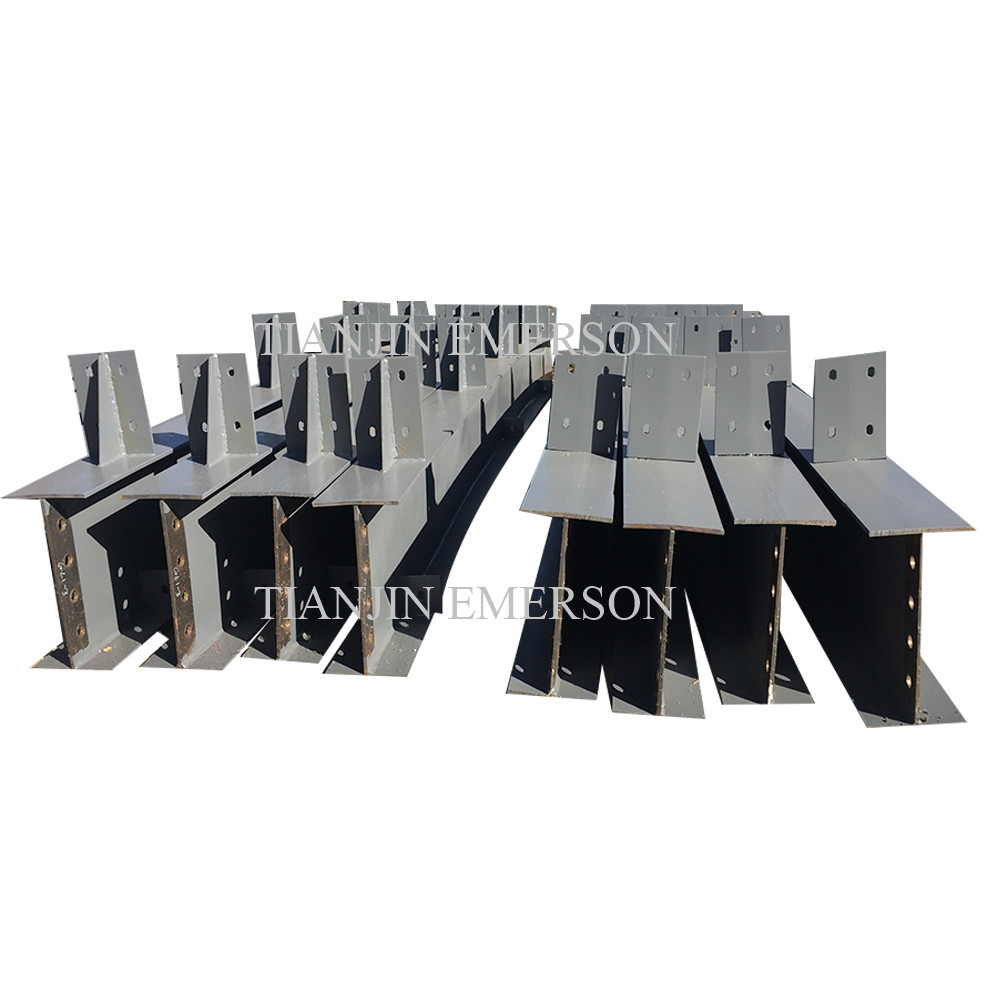
Choosing the appropriate steel grade and section shapes is critical for balancing strength, stiffness, and constructability in large projects. Common specifications include ASTM A992 for wide-flange beams and columns (50 ksi minimum yield), ASTM A572 Grade 50 for plates, and ASTM A500 for hollow structural sections (HSS). For long-span roofs or transfer girders, high-strength steels (e.g., ASTM A913 Grade 65) may reduce member sizes and weight. Designers must also account for fabrication and erection tolerances as defined in AISC Code of Standard Practice. Provisions for cambering beams to offset dead-load deflection, oversized holes for field adjustments, and shim plates at column bases are essential to achieve final alignment without costly rework. Material traceability through mill test reports (MTRs) ensures that the delivered steel meets specified mechanical properties.
Connection Detailing and Corrosion Protection Strategy
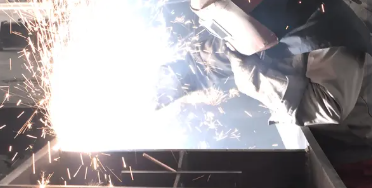
Connections are the most critical elements in steel structure design, as they transfer forces between members and often dictate overall structural performance. For large projects, design must specify connection types (bolted, welded, or hybrid) with appropriate detailing for seismic ductility or fatigue resistance. Full-penetration groove welds are required for moment connections, while slip-critical bolted joints are used for bracing and splices. Access for welding and bolt tightening must be considered during detailing. Additionally, an effective corrosion protection strategy is mandatory for long-term durability, especially for outdoor or aggressive environments. Design documents should specify surface preparation (abrasive blasting to SA 2.5), coating systems (inorganic zinc-rich primer, epoxy intermediate, polyurethane topcoat), or hot-dip galvanizing for exposed components. Provisions for touch-up of field welds and damaged areas must be included. Incorporating these considerations early in design prevents costly changes during fabrication and erection, ensuring the structure meets safety, serviceability, and lifecycle expectations.