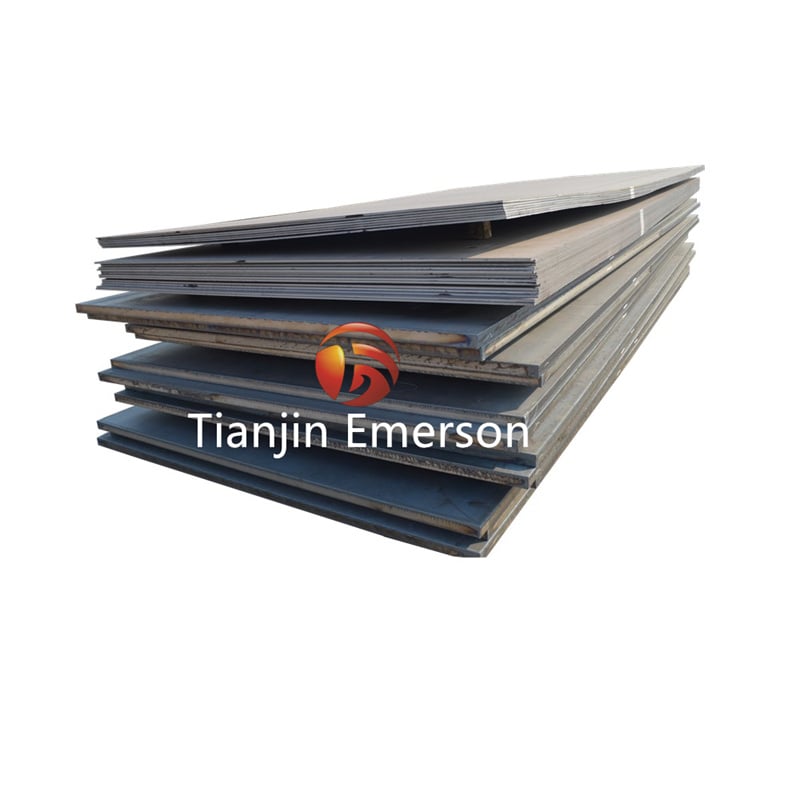
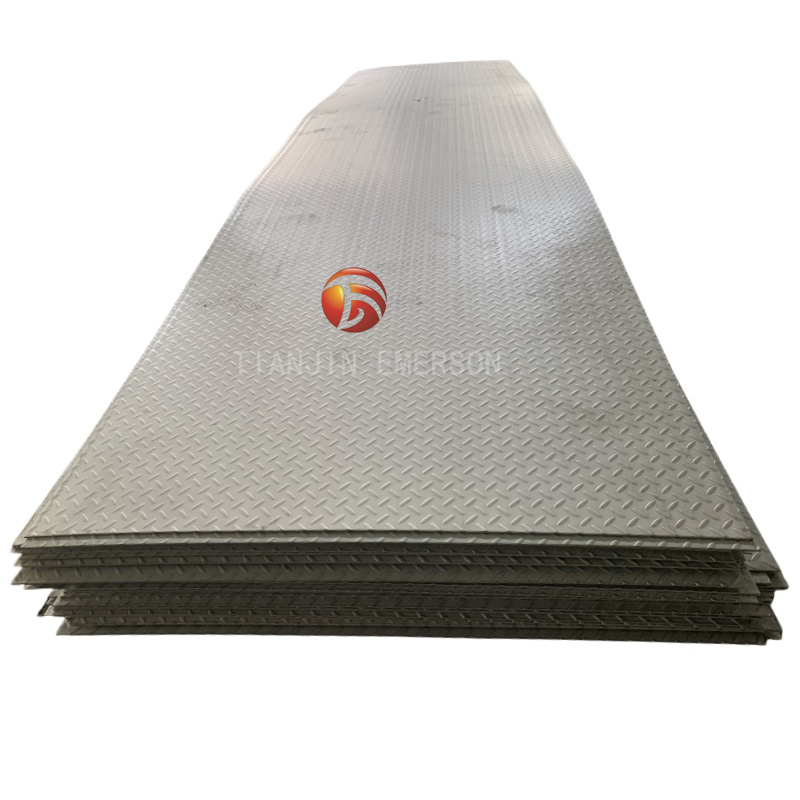
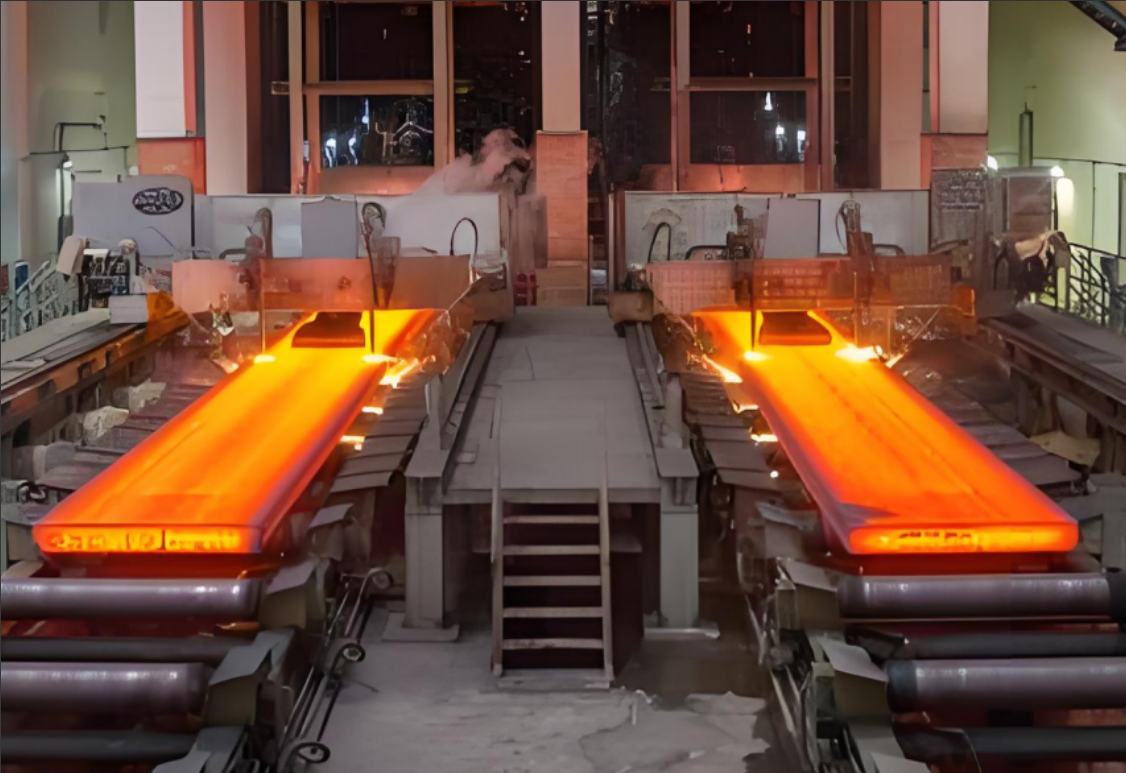
In the realm of industrial metal manufacturing, the distinction between thin plates (commonly referred to as sheet metal) and medium-thick plates extends far beyond mere thickness measurements—it fundamentally determines material behavior, applicable processing techniques, and the scope of final applications across construction, machinery, transportation, and infrastructure sectors. Thin plate (or sheet metal) generally refers to steel plates with thicknesses ranging from 0.2 mm to 4 mm, produced through hot-rolled or cold-rolled processes to achieve the desired surface finish and mechanical properties. Medium plates generally cover thicknesses ranging from 4 mm to 20 mm or 25 mm, while thick plates extend from 20 mm or 25 mm up to 60 mm. Plates exceeding 60 mm in thickness are classified as extra-thick plates, requiring specialized rolling mills for production.
The application scope of carbon steel plates varies significantly based on thickness classification, with each category serving distinct market sectors and functional requirements. Thin plates are primarily used in automotive body panels and structural components, appliance housings and enclosures in consumer goods manufacturing, electrical equipment cabinets and control panels, as well as general manufacturing where weight reduction and aesthetics are prioritized. Cold-rolled thin plates (such as SPCC and DC01 grades) offer superior surface finish and dimensional accuracy, which are critical for painted or coated products in visible applications. Medium-thick plates typically range from 4.5 mm to 25 mm in thickness and are extensively used in structural engineering applications, including building frameworks, bridge construction, shipbuilding, pressure vessels, and industrial machinery components. Common grades in this category include Q235B, Q345B, and ASTM A36, selected for their balanced strength, weldability, and toughness.
Processing methods for carbon steel plates vary significantly based on thickness classification: Thin plates are best suited for laser cutting, achieving positioning accuracy of ±0.1 millimeters and supporting complex nesting layouts to optimize material utilization. Post-cut thin plates undergo CNC bending and welding processes. For medium-thick plates ranging from 6 mm to 25 mm, high-precision plasma cutting efficiently completes contour processing. For plates exceeding 25 mm in thickness, oxy-fuel cutting systems economically deliver the high energy required for thick plate cutting.
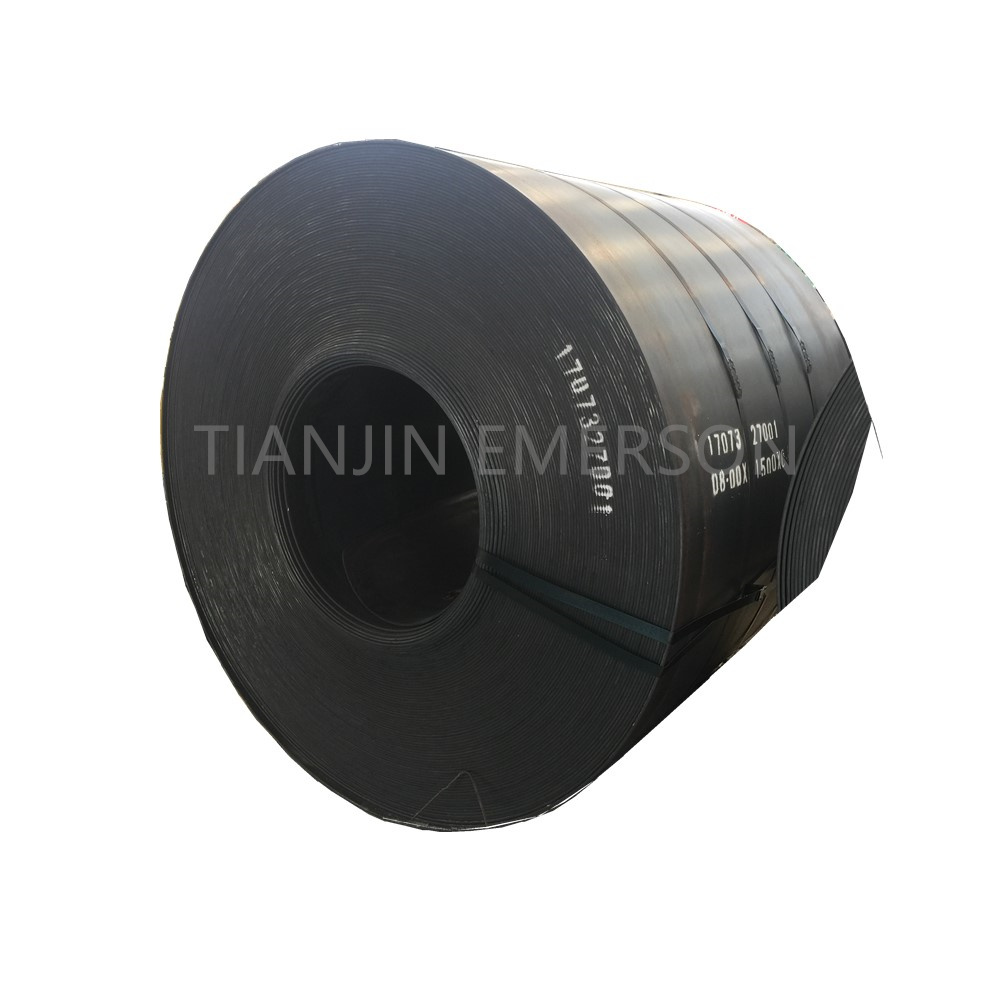
The selection of carbon steel plates requires simultaneous consideration of thickness classification and anticipated usage environments, with different grades optimized for thin plate and thick plate applications respectively. For thin plates requiring stamping and deep drawing processes, low-carbon grades such as 08, 08F, SPCC, and St12 exhibit excellent ductility. Their carbon content typically falls below 0.10%, ensuring resistance to cracking during cold working. For medium-to-thick plate structural applications, Q235B and ASTM A36 grades offer minimum yield strengths of 235-250 MPa with excellent weldability, making them suitable for conventional construction. High-strength grades like Q345B and ASTM A572 Grade 50 provide superior strength-to-weight ratios for bridges and heavy equipment. For pressure vessel plates, specialized grades like ASTM A516 feature optimized notch toughness and can reach thicknesses up to 305 mm.Wear-resistant steel grades include AR400 and AR500, specifically designed for thick plate applications in mining equipment and material handling components. We offer a comprehensive range of carbon steel plates, from thin sheets to ultra-thick plates, procured in compliance with international standards such as ASTM, JIS, GB, and EN. Our inventory includes steel plates and coils in various specifications to ensure all procurement requirements are met.