
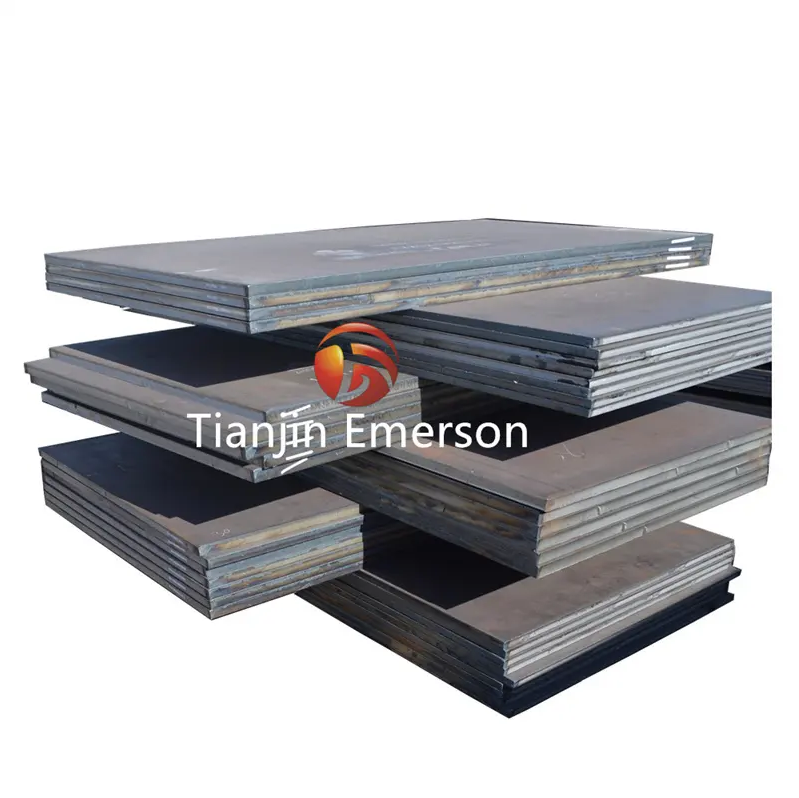
Structural Frameworks: Steel Plate in Machine Frames and Base Plates
Load-Bearing Design Principles for Industrial Machine Frames
Steel plates form the backbone of industrial machine frames, handling all that weight distribution and keeping everything structurally sound. Most engineers go for high tensile strength materials such as ASTM A572 when building these frames since they need to handle serious stress levels well above 50,000 pounds per square inch during operation. Good frame design often includes those tapered sections which help reduce bending under load. Welded connections get checked out through non destructive testing methods following AWS D1.1 guidelines so we don't end up with fatigue issues down the road. Choosing the right materials makes sure these frames can soak up vibrations coming from big components like hydraulic systems or rotating drums without throwing things out of alignment. The result? Machines last longer in tough environments like mines and construction sites, and companies save roughly 30 percent on maintenance expenses over time compared to poorly designed alternatives.
Foundation Reinforcement Using Thick Steel Base Plates in Heavy Machinery
Thick steel plate (25–150 mm) forms essential base plates for anchoring heavy machinery to concrete foundations. These plates distribute concentrated loads up to 740 kN/m², preventing substrate cracking and settlement. Key design considerations include:
- Surface Area Optimization: Larger plates reduce ground pressure by 40–60%
- Shear Key Integration: Interlocking steel embeds resist lateral forces during seismic events
- Corrosion Mitigation: Hot-dip galvanizing per ASTM A123 extends service life in humid or corrosive environments
Properly engineered bases cut vibration-related downtime by 22% in processing plants. The thermal stability of hot-rolled steel plate also prevents warping under temperature fluctuations from industrial processes.
Steel Plate Material Selection: Matching Grades to Performance Demands
Comparative Performance of A36, AR400, and AISI 4140 Steel Plate Under Impact and Wear
Picking the right steel plate grade really comes down to knowing what kind of stress these materials can handle during actual operations. Take A36 carbon steel for instance it works great for building structures that carry average loads without breaking the bank on fabrication costs. But here's the catch those numbers between 67 and 83 HB for hardness mean this steel just isn't tough enough when things get hit hard repeatedly. That's why we see so much deformation happening in high impact situations. Then there's AR400 abrasion resistant plate, which stands out in places where wear matters most like inside mining machines. After going through special heat treatments, this stuff hits around 400 HB hardness, and field tests show it lasts about 60% longer than regular carbon steel before wearing away in gritty environments. When parts need to withstand both sudden impacts and long term fatigue, many engineers turn to AISI 4140 alloy steel. With tensile strength hitting 655 MPa, this material holds up remarkably well against cracks forming over time, which makes it a top choice for mounting hydraulic cylinders and constructing gear housings where reliability counts.
| Property | A36 | AR400 | AISI 4140 |
|---|---|---|---|
| Hardness (HB) | 67–83 | 370–400 | 197–223 |
| Tensile Strength | 400–550 MPa | ≥1200 MPa | 655–1020 MPa |
| Impact Resistance | Moderate | Low | High |
| Primary Use Case | Static frames | Abrasion surfaces | Dynamic load parts |
Tensile Strength, Toughness, and Heat Resistance Trade-Offs in Hot-Rolled Steel Plate
Hot rolled steel plates offer real benefits when building heavy machinery, though picking the right material means weighing different characteristics against each other. Steel grades with higher tensile strength, like ASTM A514, can handle massive loads during operation but tend to be weaker when it comes to resisting fractures, which matters a lot for parts exposed to constant vibrations or sudden shocks. On the flip side, materials designed primarily for toughness such as ASTM A516 do better at absorbing impacts but generally lose around a third of their tensile strength compared to stronger options. When working in areas where temperatures get really high, say inside engine compartments, special chromium molybdenum alloys stay strong even past 480 degrees Celsius. However, these need specific welding techniques including careful management of hydrogen levels and proper heating before and after welding to avoid cracks forming later on. For most applications, medium thickness plates ranging between 12mm to 40mm work best because they have good grain structure throughout, making them reliable despite all these trade offs manufacturers face daily.
Fabrication of Steel Plate Components: Precision Cutting, Welding, and Forming
Weldability and Distortion Control in Medium-Thick Steel Plate Fabrication
Steel plates ranging from medium to thick thickness (usually between 10 and 40 mm) need special handling during fabrication if we want to keep their structural strength intact. When welding these materials, thermal stress is a big problem because it leads to distortion that messes up dimensional accuracy across the board. Hot rolled steel plates benefit greatly from being preheated around 150 to 200 degrees Celsius before welding starts, especially important for those high carbon or high strength grades prone to cracking issues. The trick many fabricators have learned through experience is using staggered welding patterns along with proper jig fixtures, which cuts down on warping problems by roughly 60 to 80 percent compared to straightforward linear welding approaches. Keeping close tabs on heat input levels below 2.0 kJ per millimeter makes all the difference in maintaining material characteristics while still getting good penetration welds that meet AWS D1.1 standards. And don't forget about post weld heat treatments at approximately 600 degrees Celsius either. This step really helps take care of leftover stresses after welding, giving load bearing parts much better fatigue resistance over time in actual service conditions.
| Technique | Purpose | Impact on Distortion |
|---|---|---|
| Staggered Welding | Distributes heat accumulation | Reduces by 60–80% |
| Preheating | Lowers thermal gradient | Prevents cracking |
| Jig Fixtures | Restricts plate movement | Ensures alignment |
FAQs
What are the main materials used for industrial machine frames?
Steel plates, particularly high tensile strength materials like ASTM A572, are commonly used for industrial machine frames to handle high stress levels effectively.
Why is preheating important in welding medium-thick steel plates?
Preheating medium-thick steel plates help reduce thermal stress, preventing distortion and cracking, especially for high carbon or high strength grades.
How does AR400 steel compare to A36 in terms of wear resistance?
AR400 steel is designed to resist wear and lasts about 60% longer than regular carbon steel like A36, making it ideal for environments where wear is a concern.