
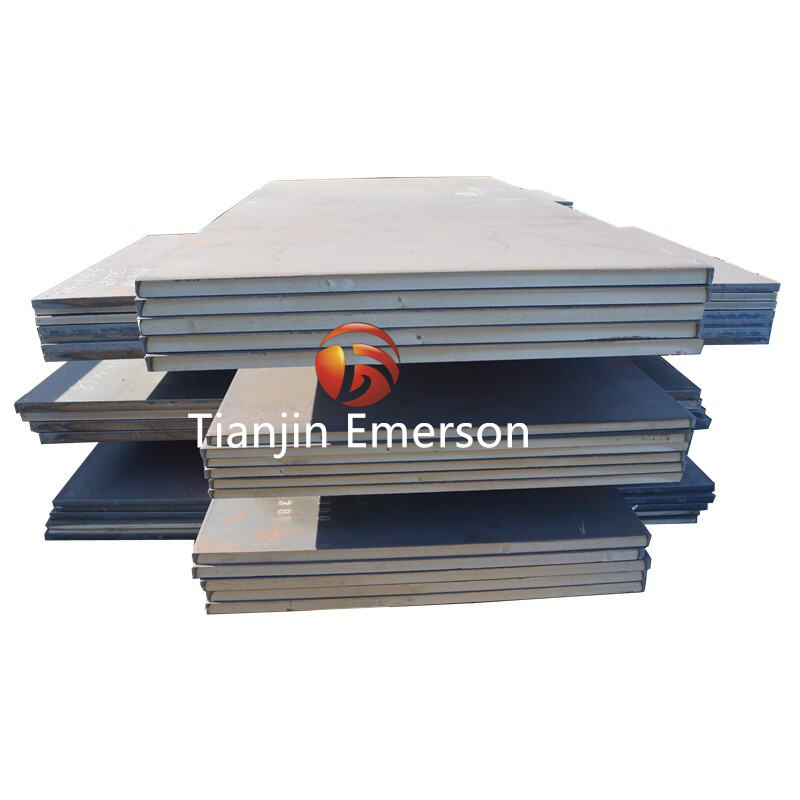
Thickness Definition: The Critical 6 mm Boundary Between Steel Plate and Steel Sheet
ASTM A6/A480 and EN 10029 Standards: How Thickness Classifies Steel Plate and Steel Sheet
There's a pretty clear line in the sand when it comes to steel products - international standards set at exactly 6 millimeters to tell apart steel sheets from plates. The American ASTM A6/A480 standard and the European EN 10029 both agree on this cutoff point, labeling anything below 6mm as sheet metal and anything equal to or above that mark as plate steel. What does this mean practically? Well, plates need to go through strict ultrasonic tests to check for hidden defects inside the metal, whereas sheets are mainly inspected for their surface quality since they'll often get coated or stamped later on. For people working in fabrication shops around the world, having this common measurement makes life much easier. They can trust that everyone is speaking the same language when specifying materials, which helps prevent costly mistakes down the road with structural failures or incorrect specifications.
Why Thickness Dictates Behavior: Impact on Yield Strength, Stiffness, and Cold-Forming Limits
The thickness of steel plays a major role in how it behaves mechanically. When steel sheets are thinner than 6 mm, they can stretch quite a bit (around 25 to 45%) which makes them great for deep drawing operations and complicated cold forming tasks needed for car body parts. On the other hand, plates thicker than 6 mm have more material across their surface, giving them roughly 15 to 30% better yield strength and sometimes even four times the stiffness compared to similar grade thin sheets. This extra strength helps spread loads more evenly in big structures like bridges or offshore platforms, though these thick plates aren't as easy to shape as their thinner counterparts. Welding thick plates needs careful attention to avoid problems with residual stress buildup. Meanwhile, thin sheets tend to buckle when subjected to compression forces that exceed what their slim profile can handle safely.
Primary Applications: Matching Steel Plate and Steel Sheet to Real-World Engineering Demands
Steel Sheet in High-Volume Manufacturing: Automotive Bodies, Appliances, and Architectural Cladding
Steel sheets rule the world of mass production because they maintain consistent dimensions and can be formed when cold. Cold rolled versions let manufacturers stamp out those intricate door panels and hoods we see on cars these days. Most modern vehicles actually contain somewhere between 900 to 1200 pounds worth of this material according to industry reports from AutoSteel Alliance. Galvanized steel makes great cabinets inside our fridges and washers since it resists rust so well. Some special coatings turn these sheets into attractive building materials too. The fact that most sheets come in gauges under 6mm means factories can cut and shape them quickly with high accuracy. This matters a lot considering how many cars roll off assembly lines each year across the globe, sometimes over 5 million units annually.
Steel Plate in Heavy-Duty Infrastructure: Bridges, Offshore Platforms, Pressure Vessels, and Mining Equipment
When it comes to standing up against harsh conditions, steel plate remains king of the hill. Take bridge construction for instance, where engineers specify ASTM A709 plates as thick as 200 millimeters just to keep those massive spans intact across bridges stretching over a thousand feet. Offshore oil platforms tell a similar story, needing around 15,000 tons worth of special grade steel plates that can resist corrosion from saltwater exposure. For pressure vessels handling serious internal forces above 400 psi, manufacturers turn to quenched and tempered plates. Meanwhile, the heavy duty mining equipment sector depends on plates specially treated to withstand wear and tear when moving loads weighing half a ton each time. The required thickness ranges between 10 and 300 millimeters depending on application needs, but what really matters most isn't how easy these plates are to shape, it's their ability to resist cracking under stress, maintain strong welds, and last through years of demanding service.
Mechanical Performance Comparison: Formability, Toughness, and Structural Reliability
Cold-Rolled Steel Sheet: Precision, Surface Quality, and Limitations Under High Stress
Cold rolled steel sheets (CRS) are known for their precise dimensions and really good surface finish, which makes them great choice for parts people can actually see in cars and household appliances. The material can be formed into complex shapes without breaking apart during manufacturing processes. But there's something important to note about CRS strength characteristics. Compared to structural plates, cold rolled steel generally has lower yield strength ranging between 180 to 300 MPa and isn't as resistant to impacts. When these thinner sheets experience continuous loads or repeated stress cycles over time, they tend to deform earlier than expected or develop fatigue issues. For this reason, CRS isn't recommended for main structural components where weight bearing capacity or safety requirements are critical factors in design specifications.
Steel Plate: Superior Impact Resistance, Weld Integrity, and Load-Bearing Capacity for Critical Structures
When structural reliability matters most, steel plates deliver exceptional performance. Plates over 6mm thick absorb far more energy before breaking, which makes them essential for things like bridges, pressure containers, and heavy machinery used in mines where there's constant impact, shaking, or exposure to harsh chemicals. The extra thickness also helps manage heat better when welding, so joints stay strong without warping too much. Most structural steel plates meet at least 345 MPa yield strength according to AISC standards from 2022, meaning these materials can last many years in tough conditions while needing very little upkeep throughout their lifespan.
How to Choose: Practical Selection Criteria for Steel Plate and Steel Sheet Projects
When deciding between steel plate and steel sheet, there are several factors worth considering beyond just thickness specifications. First up is load requirements. Steel plates at least 6mm thick work best for major structural components like bridge supports or pressure vessel walls where strength and rigidity matter most. Thinner sheets under 6mm make sense when complex shapes are needed rather than maximum load bearing, think car body panels for example. Environmental conditions also play a big role. Regular galvanized sheets handle normal weather exposure fine for things like building exteriors or household appliances. But if parts need to withstand being submerged, constant stress cycles, or operate in freezing temperatures, then thicker plates with proper impact ratings and special alloys become necessary. Look at ASTM A709 Grade 50W or EN 10025-4 S355ML specs for these applications. The way materials get fabricated makes a difference too. Sheets lend themselves well to fast manufacturing processes like roll forming and laser cutting. Plates demand more careful handling during welding with temperature controls before, during, and after the process to preserve their structural integrity, especially when dealing with thick sections. Finally, consider the money angle. High strength plates might cost more initially but often save money over time because they last longer in heavy duty equipment. Steel sheets tend to be better value for mass production runs where speed and tool wear become important factors. Don't forget to check those standards documents for thickness tolerances and mechanical properties including minimum yield strength requirements based on what exactly needs to be built.
FAQ Section
What is the difference between steel plate and steel sheet?
Steel plate is thicker than steel sheet. Anything below 6 mm is classified as sheet metal, whereas anything equal to or above 6 mm is considered plate steel according to ASTM A6/A480 and EN 10029 standards.
Why is thickness important in steel applications?
Thickness affects the mechanical behavior of steel. Thinner sheets can be stretched and shaped, making them ideal for automotive and appliance applications. Thicker plates provide greater yield strength and stiffness, suited for structural uses like bridges and pressure vessels.
What are the main uses of steel sheets and plates?
Steel sheets are used in high-volume manufacturing such as automotive bodies and appliances. Steel plates are employed in heavy-duty infrastructure like bridges and mining equipment due to their ability to handle high impact and stress.
How does steel thickness affect mechanical properties?
Thicker steel plates offer superior impact resistance and load-bearing capacity, while thinner sheets are advantageous for forming complex shapes but have lower strength and are more prone to deformation under continuous stress.
Table of Contents
- Thickness Definition: The Critical 6 mm Boundary Between Steel Plate and Steel Sheet
- Primary Applications: Matching Steel Plate and Steel Sheet to Real-World Engineering Demands
- Mechanical Performance Comparison: Formability, Toughness, and Structural Reliability
- How to Choose: Practical Selection Criteria for Steel Plate and Steel Sheet Projects
- FAQ Section