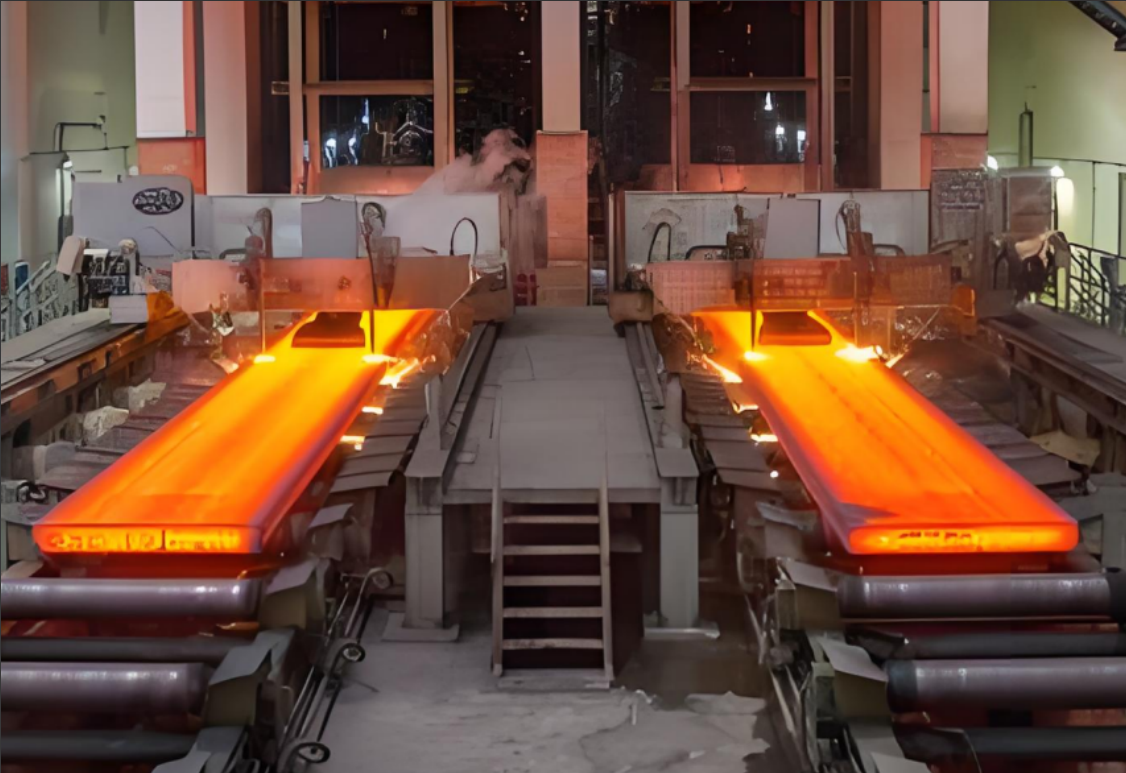
Introduction: The Indispensable Role of Custom Steel Fabrication
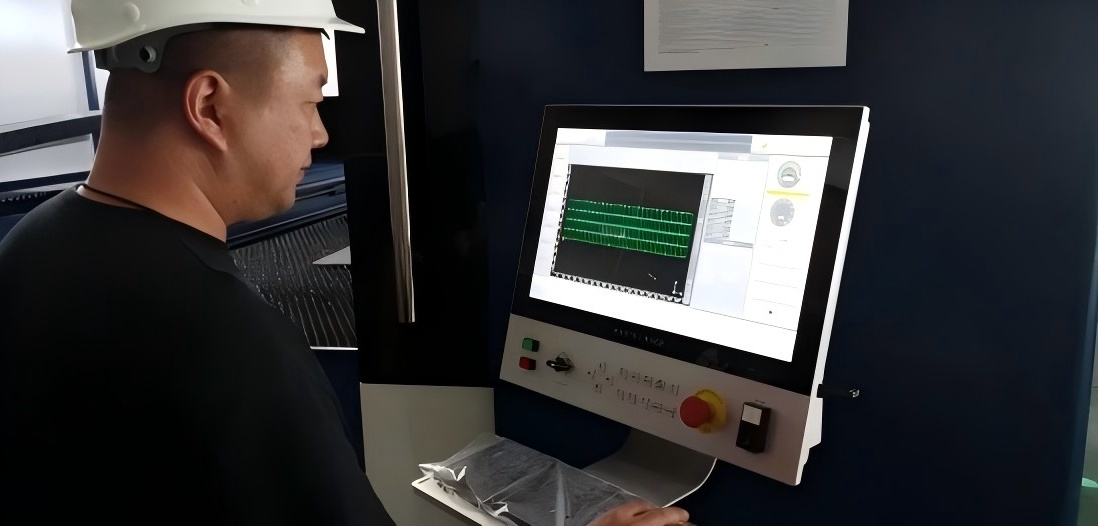
Custom steel fabrication is the backbone of modern industrial production, transforming raw steel plates, coils, and pipes into precise components through laser cutting, CNC bending, welding, and surface treatment. Unlike standardized steel products, custom fabrication delivers tailored solutions that meet exact dimensional, mechanical, and environmental requirements. From skyscrapers to ships, from energy plants to agricultural equipment, seven major industries depend on custom steel fabrication to ensure safety, efficiency, and longevity. Understanding how each industry applies these capabilities helps buyers and engineers appreciate the value of a professional fabrication partner.
Construction and Infrastructure
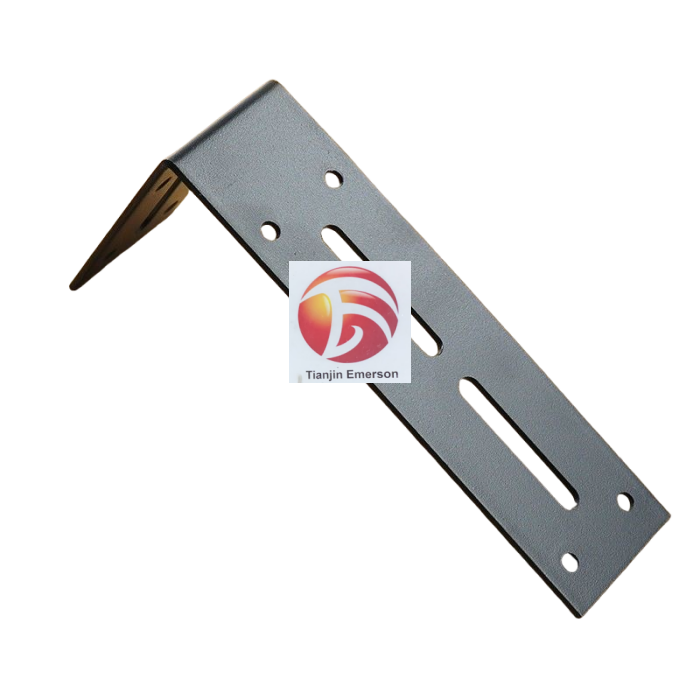
The construction industry is the largest consumer of custom steel fabrication. Structural steel plates are cut, drilled, and welded into base plates, gusset plates, connection nodes, and embedded parts for buildings, bridges, and infrastructure projects. Laser cutting ensures precise hole patterns and edge quality, while CNC bending forms brackets and supports. Welded steel frames provide the skeletal strength for high-rise buildings, stadiums, and industrial warehouses. Custom fabrication also produces architectural metalwork such as facades, handrails, and staircases. Without accurate fabrication, structural integrity and construction schedules would be compromised. Our services support contractors, fabricators, and developers with certified materials and code-compliant welding.
Shipbuilding and Marine Engineering
Shipbuilding demands steel components that withstand harsh marine environments, dynamic loads, and strict classification society standards. Custom fabrication produces hull plates, deck sections, bulkheads, frames, and stiffeners from shipbuilding steel grades such as AH36 and DH36. Laser cutting and plasma cutting profile thick plates with precision, while welding assembles hull blocks and structural modules. Stainless steel and alloy steel fabrications serve in pump rooms, cargo tanks, and offshore platforms. Corrosion resistance is critical, so surface treatment and material traceability are integral. Shipyards and marine contractors rely on custom fabrication for fit-up accuracy, weld quality, and on-time delivery.
Energy and Power Generation
The energy sector—including oil and gas, thermal power, nuclear, wind, and solar—depends on custom steel fabrication for pressure vessels, boiler components, pipeline spools, wind tower sections, and solar mounting structures. Alloy steel plates and pipes are cut, bent, and welded to withstand high pressures, elevated temperatures, and corrosive media. Heat exchangers, reactors, and storage tanks require certified welding and non-destructive testing. Wind energy utilizes large fabricated steel components such as towers, nacelles, and foundations. Solar farms rely on galvanized or weathering steel brackets and rails. Custom fabrication ensures that energy infrastructure operates safely and efficiently for decades.
Automotive and Transportation
The automotive and transportation industries use custom steel fabrication for chassis components, brackets, suspension mounts, trailer frames, and railcar parts. High-strength low-alloy steels are laser-cut and CNC-bent to reduce weight while maintaining crashworthiness. Welded assemblies form structural modules and exhaust systems. Commercial vehicles, buses, and railcars require durable fabrications that withstand vibration and fatigue. Electric vehicles add new demands for battery enclosures and motor mounts. Custom fabrication provides the flexibility to prototype and produce parts that meet stringent safety and performance standards.
Industrial Machinery and Equipment
Industrial machinery manufacturers rely on custom steel fabrication for machine bases, frames, guards, conveyor components, and precision mounting plates. Heavy steel plates are cut and machined to provide rigid, vibration-resistant foundations. Welded frames support presses, crushers, and production lines. Stainless steel fabrications serve in food processing and pharmaceutical equipment where hygiene and corrosion resistance are essential. Custom fabrication ensures that machinery operates reliably, with components that fit precisely and withstand continuous operation. From mining equipment to packaging lines, fabricated steel parts are critical to productivity.
Agriculture and Heavy Equipment
Agricultural machinery and heavy equipment operate under severe conditions—abrasive soil, impact loads, and outdoor exposure. Custom steel fabrication produces plow blades, harvester components, tractor frames, and loader arms from wear-resistant and high-strength steels. Laser cutting and welding create durable, precise parts that extend equipment life. Grain bins, silos, and irrigation systems use galvanized steel fabrications for corrosion resistance. Heavy equipment such as excavators and bulldozers relies on fabricated buckets, blades, and structural reinforcements. Custom fabrication delivers the strength and reliability that farmers and contractors depend on.
Chemical Processing and Pharmaceuticals
The chemical and pharmaceutical industries require steel fabrications that resist corrosive chemicals, maintain hygiene, and meet regulatory standards. Stainless steel plates and pipes are fabricated into reactors, heat exchangers, tanks, piping spools, and cleanroom equipment. TIG welding with argon back-purging preserves corrosion resistance, while passivation and electropolishing ensure clean surfaces. Custom fabrication supports the construction of chemical plants, pharmaceutical facilities, and water treatment systems. Strict material traceability and non-destructive testing are mandatory. These industries rely on custom fabrication for safety, purity, and compliance with GMP and other standards.
Conclusion: A Partner Across Industries
From construction and shipbuilding to energy, automotive, machinery, agriculture, and chemical processing, custom steel fabrication is indispensable. Each industry demands specific materials, processes, and quality standards, and a professional fabrication partner must deliver tailored solutions with certified quality. By combining laser cutting, CNC bending, welding, and surface treatment, fabricators provide the precise, durable components that keep modern industry moving. Whether you need a single prototype or full production runs, choosing an experienced custom steel fabrication partner ensures that your project meets the highest standards of performance, safety, and reliability.