Introduction: The Backbone of Precision Forming
CNC bending has become the cornerstone of modern sheet metal fabrication, transforming flat blanks into precise three-dimensional components that define the structural and aesthetic quality of countless products. From electrical enclosures and machine guards to automotive brackets and architectural panels, CNC press brakes convert laser-cut steel plates into functional parts with exceptional accuracy and repeatability. Unlike manual bending, which relies heavily on operator skill and is prone to inconsistency, CNC bending uses computer-controlled positioning, angle measurement, and springback compensation to deliver tolerances within ±0.5 degrees or better. This level of precision is essential for industries where fit-up, structural integrity, and production efficiency are non-negotiable. As manufacturing demands continue to rise, the role of CNC bending in sheet metal fabrication has expanded from a simple forming operation to a strategic enabler of design flexibility, cost reduction, and quality assurance.
What Is CNC Bending and How Does It Work?
CNC bending is a forming process performed on a CNC press brake, where a punch and die set applies controlled force to a metal sheet to create a bend along a predetermined line. The "CNC" designation means the machine's backgauge, ram depth, and bending sequence are controlled by a computer numerical control system. The operator loads a program generated from CAD data, and the machine automatically positions the sheet, executes the bend, and moves to the next step. Modern CNC press brakes are equipped with real-time angle measurement systems using lasers or cameras, automatic crowning for deflection compensation, and offline programming software that simulates the bend sequence before production begins. This digital integration ensures that the first part is accurate and every subsequent part is identical, eliminating trial-and-error setup and reducing scrap.
Precision and Repeatability: The Core Advantage
The primary advantage of CNC bending is its ability to achieve and maintain tight tolerances across production runs. While manual bending may vary by several degrees from part to part, CNC bending consistently holds angles within ±0.5 degrees, and advanced systems can achieve ±0.1 degrees for critical applications. Flange lengths, hole positions, and bend radii are equally repeatable. This precision is critical for components that must assemble with other parts, such as enclosures with removable panels, chassis with mounting holes, or brackets that interface with bearings and shafts. Repeatability also reduces rework and assembly time, lowering overall manufacturing costs. For high-volume production, CNC bending ensures that every part meets specification without the need for manual adjustment or secondary operations.
Springback Compensation: Overcoming a Fundamental Challenge
Springback—the elastic recovery of metal after the bending force is released—is the most persistent challenge in sheet metal bending. Mild steel may spring back 0.5 to 2 degrees, while stainless steel and high-strength alloys can exceed 3 degrees. Without compensation, a programmed 90-degree bend may result in an 88-degree finished angle. CNC bending systems overcome this by calculating the required over-bend and adjusting ram depth in real time. Some systems use angle measurement sensors that detect the actual bend angle during forming and automatically correct the stroke. Others employ material-specific springback databases and adaptive algorithms. This capability is essential when working with stainless steel, aluminum, and advanced high-strength steels, where springback is significant and unpredictable. By mastering springback compensation, CNC bending ensures that every bend meets the design specification regardless of material variability.
Integration with CAD/CAM and Automated Workflows
CNC bending does not operate in isolation; it is part of an integrated digital workflow that begins with CAD design and extends through laser cutting, bending, and welding. Offline programming software imports 3D models, unfolds them into flat patterns, and generates bending programs with optimized sequences. This digital thread ensures that the flat pattern accounts for bend allowances and K-factors, so the cut blank matches the formed part precisely. When integrated with automated storage and retrieval systems, robots, and real-time production tracking, CNC bending becomes a fully automated cell capable of lights-out manufacturing. This integration reduces setup time, eliminates manual data entry errors, and enables quick changeover between jobs—critical for high-mix, low-volume production environments.
Tooling Flexibility and Quick Changeover
CNC press brakes accommodate a wide range of tooling, from standard punches and V-dies to specialized radius tools, hemming dies, and sectional punches for complex parts. Quick-change tooling systems and automatic tool changers reduce setup time from hours to minutes, allowing fabricators to switch between jobs efficiently. The CNC controller stores tooling libraries and bend programs, so recurring jobs can be recalled instantly. For parts with multiple bends in different directions, the machine can be equipped with rotating and tilting tools that access hard-to-reach areas. This flexibility enables the production of complex enclosures, channels, boxes, and custom profiles without dedicated hard tooling, making CNC bending ideal for both prototyping and production.
Applications Across Industries
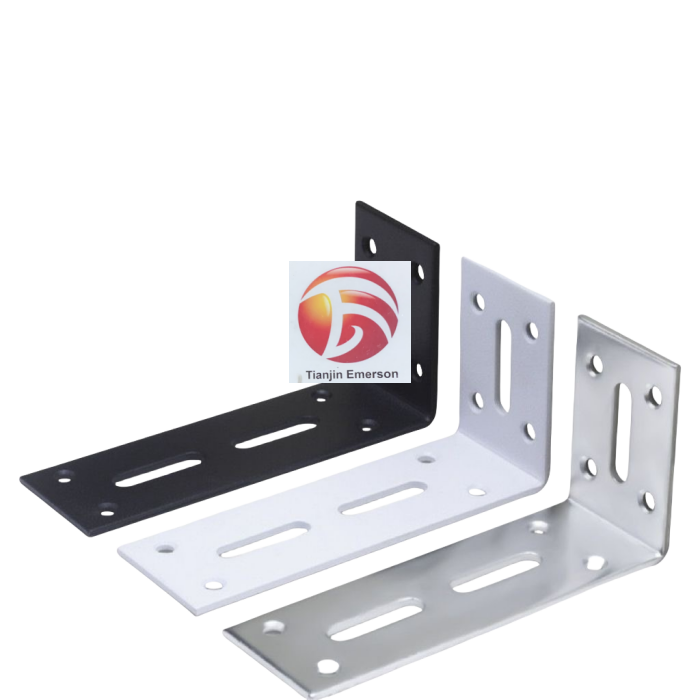
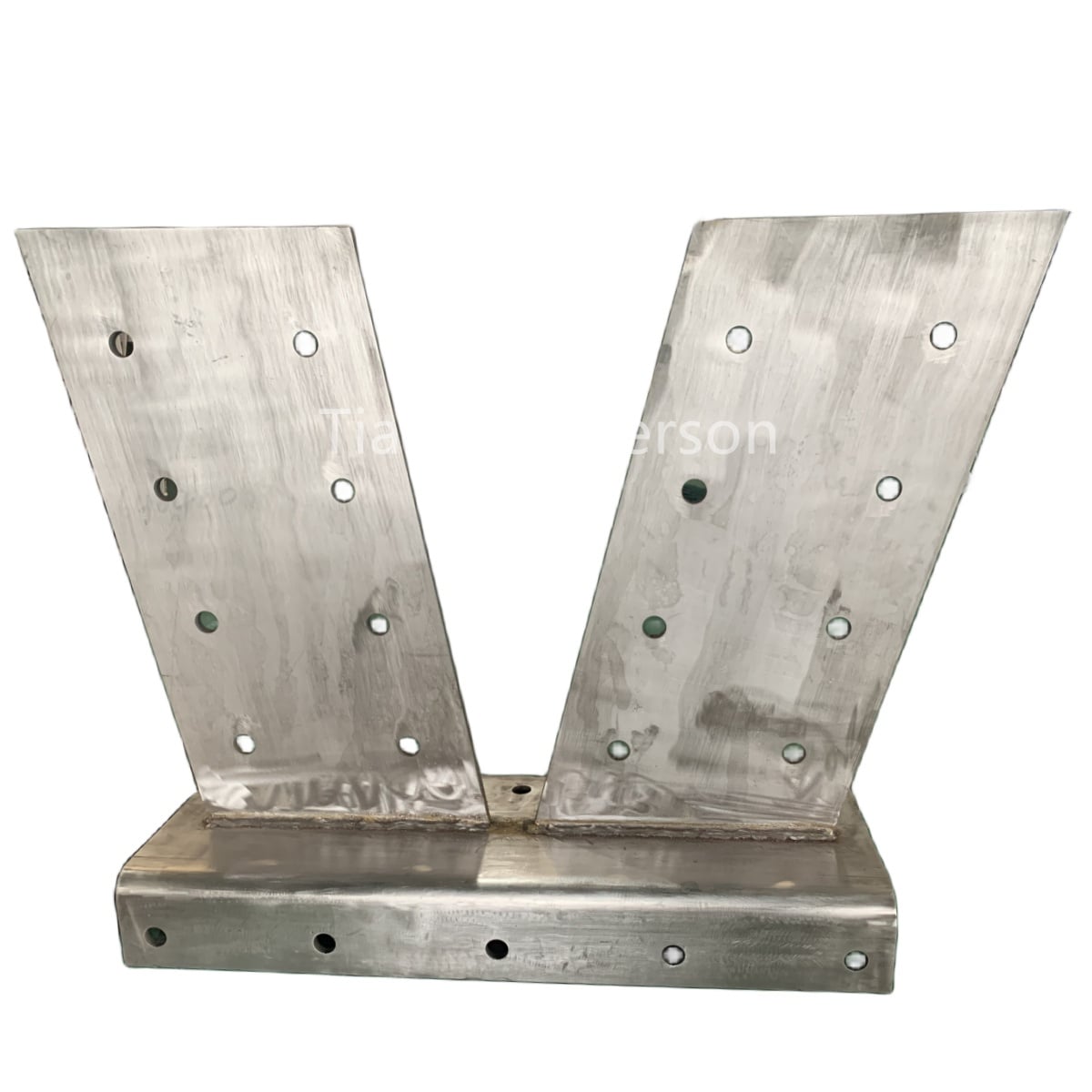
CNC bending is indispensable across a vast range of industries. In electrical and electronics, it forms enclosures, chassis, and mounting plates. In HVAC, it produces ductwork, plenums, and transition pieces. Automotive and transportation rely on CNC-bent brackets, frames, and structural components. Industrial machinery uses bent guards, covers, and machine bases. Architectural metalwork benefits from precisely formed facade panels, flashings, and trim. Food processing and pharmaceutical equipment requires hygienic, easy-to-clean stainless steel enclosures formed with tight tolerances. In each application, CNC bending delivers the accuracy, repeatability, and surface quality that manual methods cannot match.
Conclusion: A Strategic Capability for Modern Fabrication
CNC bending has evolved from a basic forming operation into a strategic capability that defines the quality, efficiency, and competitiveness of modern sheet metal fabrication. Its precision, springback compensation, digital integration, and tooling flexibility enable fabricators to produce complex parts with minimal scrap and short lead times. For buyers of custom metal components, specifying CNC bending ensures that parts fit, function, and perform as designed. For fabricators, investing in advanced CNC press brakes and skilled programming is essential to meet the demanding tolerances and delivery schedules of today's market. As manufacturing continues to advance, CNC bending will remain at the heart of precision sheet metal fabrication, enabling innovation across every industrial sector.