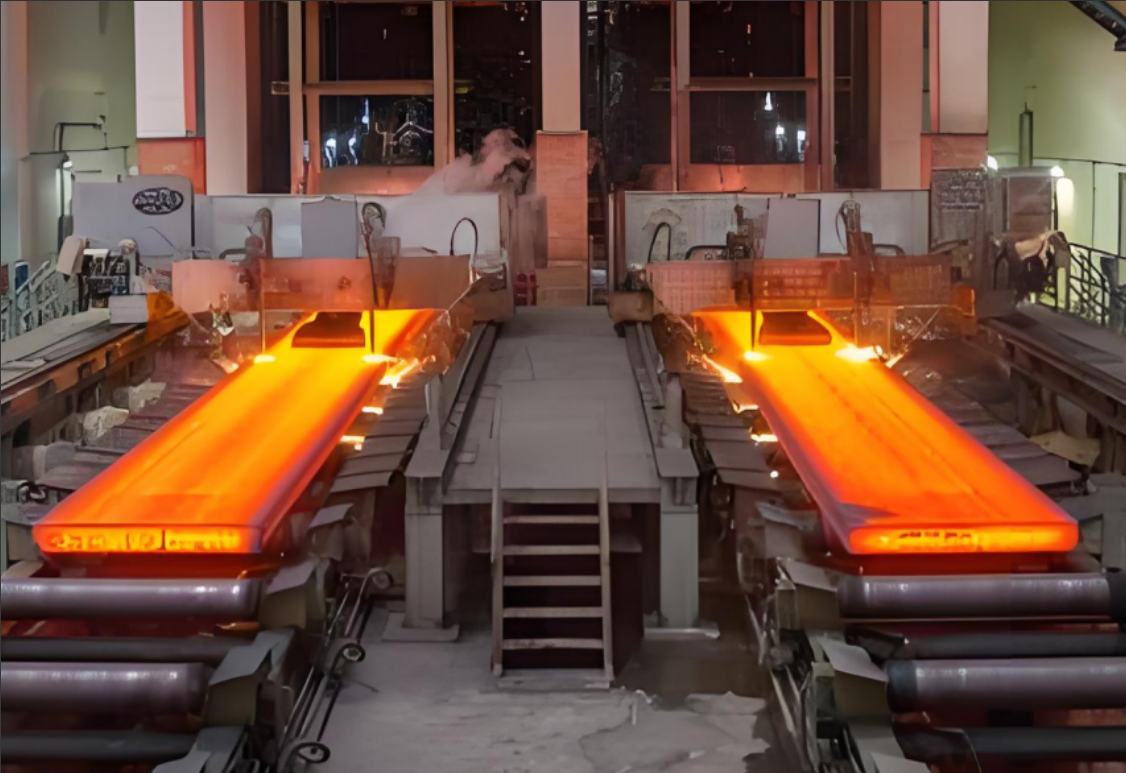
Material Selection and Preparation for Industrial Loads
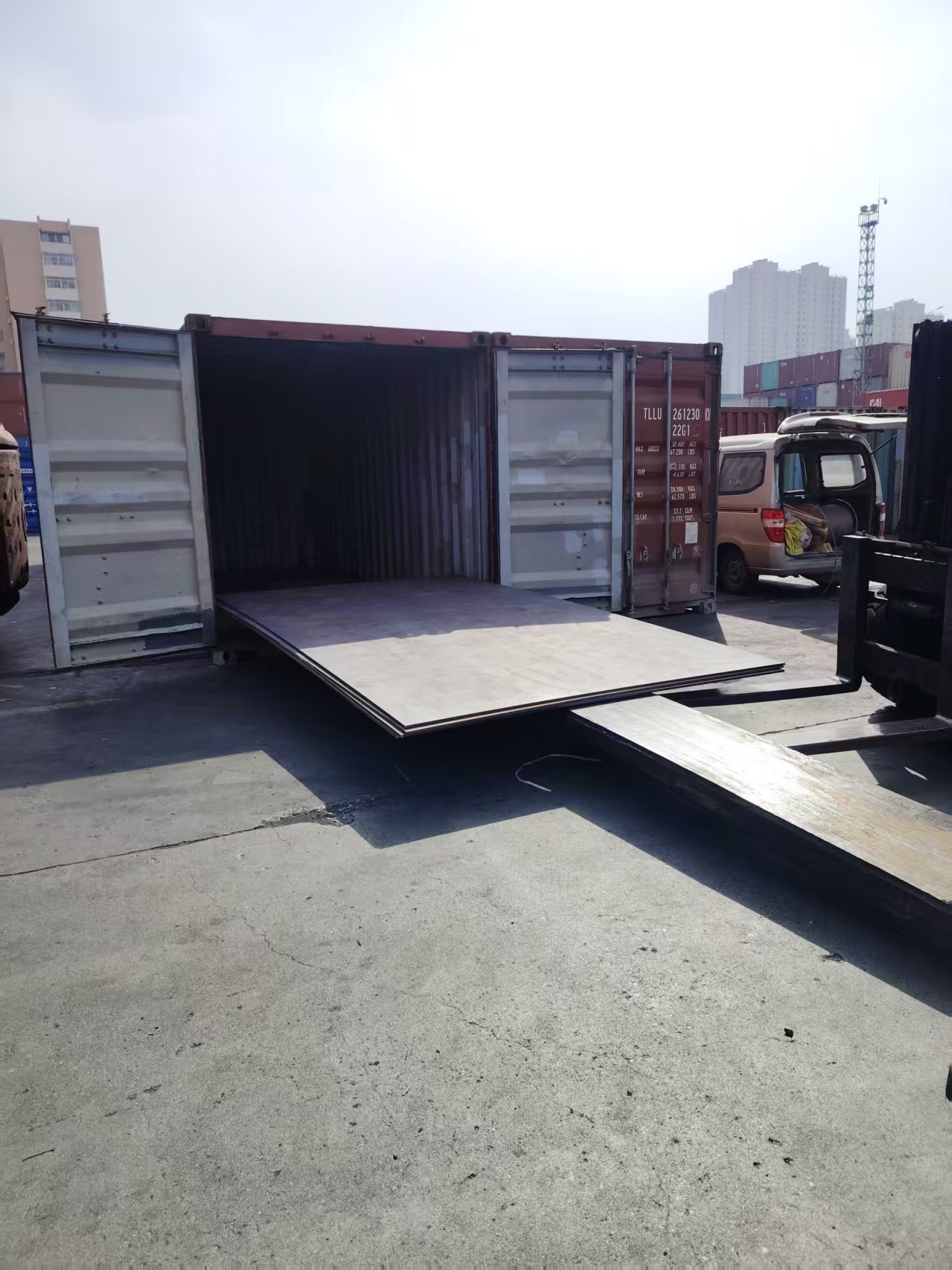
The foundation of any successful industrial construction project lies in the careful selection of structural steel grades and the precise preparation of raw materials. For industrial applications such as warehouses, manufacturing plants, and distribution centers, steel must be capable of withstanding heavy live loads, crane operations, and environmental corrosion. Common specifications include the ASTM A992 standard for wide-flange beams and columns, which requires steel with a yield strength of at least 50 ksi and excellent weldability; and the ASTM A572 Grade 50 standard for steel plates and structural steel sections. Hollow structural sections (HSS) are often specified for columns and support structures due to their exceptional torsional stiffness and clean appearance. Prior to fabrication, steel plates and sections undergo surface preparation—typically sandblasting to SA 2.5 grade (near-bare-metal standard)—to remove scale and rust, ensuring optimal adhesion for shop primers and subsequent coatings.
Precision Fabrication Processes for Structural Integrity
The manufacturing of modern industrial building components relies on advanced cutting, drilling, and welding technologies to meet the strict tolerance requirements necessary for efficient on-site installation. High-precision plasma and laser cutting systems can produce precise beam end caps, end plates, and bottom plate profiles with minimal heat-affected zones, thereby reducing distortion and minimizing the need for secondary processing. CNC beam processing lines automatically measure, drill, cut, and mark structural components, eliminating manual layout errors and ensuring perfect alignment of bolt hole patterns and connection details. Submerged arc welding (SAW) is commonly used for prefabricated beams and heavy-duty structural steel, offering deep penetration and high deposition rates; meanwhile, gas metal arc welding (GMAW/MIG) provides an efficient joining method for lighter components and connections.
Quality Assurance and Corrosion Protection for Long-Term Service
Strict quality control and durable surface treatments are essential to ensuring that steel structural components perform reliably throughout the entire service life of an industrial building. During production, inspections verify dimensional accuracy against construction drawings, and calibrated instruments are used to check critical dimensions such as column lengths, beam camber, and bolt hole spacing. Assembled components undergo non-destructive testing (NDT) on all major welds, and a first-piece inspection report provides written confirmation of compliance with project specifications. For corrosion protection, steel structures in industrial buildings typically employ a three-coat coating system (zinc-rich primer, epoxy intermediate coat, polyurethane topcoat) or, in corrosive environments, hot-dip galvanizing. Factory-applied primer protects the steel during transportation and installation, while the final coating is typically applied on-site after welding is complete to cover the joint areas. Proper packaging and labeling of prefabricated components ensure efficient sorting and installation at the construction site, thereby reducing costly on-site adjustments and accelerating project completion.