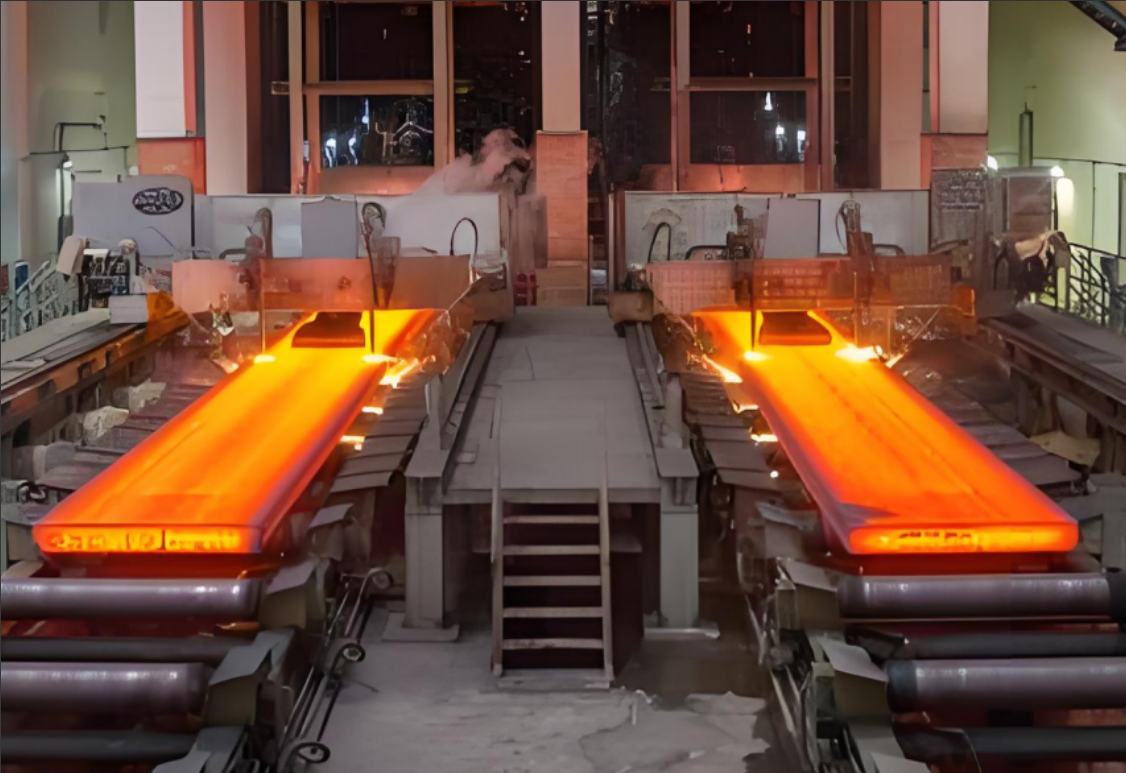
Carbon Steel: The Workhorse for General Fabrication
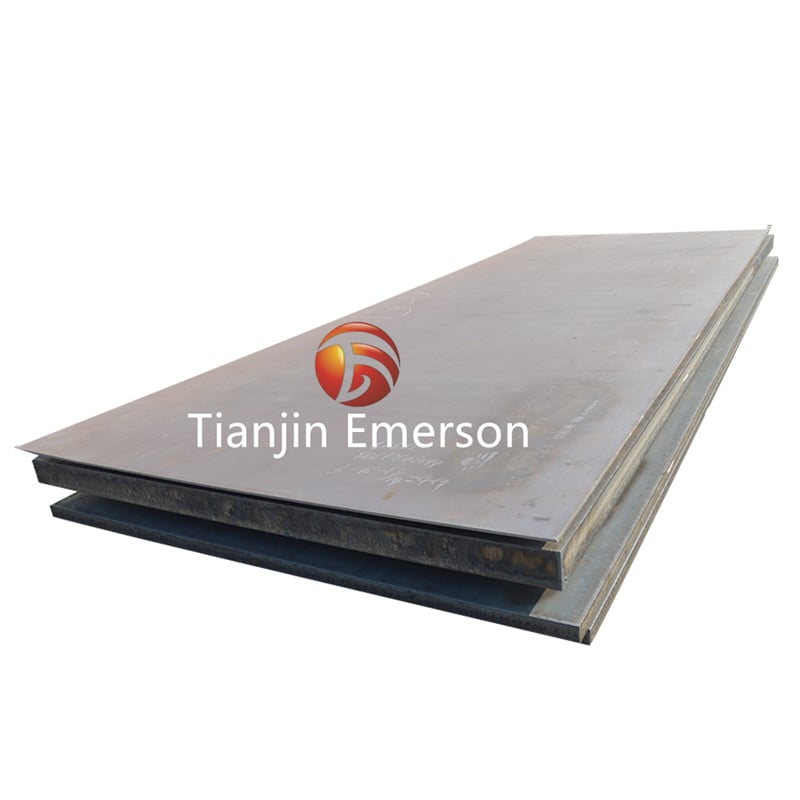
Carbon steel is the most widely used material in industrial manufacturing due to its excellent strength, ductility, and cost-effectiveness. Low-carbon steels (such as ASTM A36 and 1018) offer outstanding weldability and formability, making them ideal for structural frames, machine bases, and general fabrication. Medium-carbon steel (such as 1045) can achieve higher strength and wear resistance through heat treatment, making it suitable for shafts, gears, and heavy-duty components. When selecting carbon steel, it is important to consider the required yield strength, machinability, and whether corrosion protection through painting or galvanizing is necessary.
Alloy Steel: Enhanced Performance for Demanding Applications
Alloy steels are alloyed with elements such as chromium, molybdenum, nickel, and vanadium to achieve excellent hardenability, toughness, and fatigue resistance. Grades such as 4140 and 4340 respond exceptionally well to quenching and tempering processes, delivering tensile strengths exceeding 1000 MPa. These materials are specified for high-stress components, including hydraulic cylinder rods, crane hooks, and heavy machinery shafts. When selecting alloy steel, it is necessary to evaluate the required hardenability, impact toughness at operating temperatures, and compatibility with welding or forming processes.
Stainless Steel: Corrosion Resistance for Harsh Environments
Stainless steel grades, particularly the austenitic grades 304 and 316, offer excellent resistance to oxidation, chemical corrosion, and rust, making them indispensable in food processing, pharmaceuticals, marine, and chemical equipment applications. Grade 316 stainless steel, due to the addition of molybdenum, exhibits superior resistance to pitting corrosion in chloride environments. Ferritic stainless steels (such as 430) are magnetic and offer cost-effectiveness in less corrosive conditions, while martensitic stainless steels (such as 410 and 420) can achieve high hardness and wear resistance through heat treatment. When selecting materials, factors such as corrosion resistance, mechanical properties, and processing considerations—including welding and machining—should be taken into account comprehensively.
Tool Steel: Wear Resistance for Cutting and Forming Tools
Tool steel is a special alloy designed to provide high hardness, wear resistance, and dimensional stability at high temperatures. Grades such as D2 (high-carbon, high-chromium) offer exceptional wear resistance for stamping dies and cutting tools, while H13 maintains its hardness at high temperatures, making it suitable for die-casting and extrusion applications. When selecting tool steel, it is essential to consider the required operating temperature, impact toughness, and the heat treatment necessary to achieve optimal performance. These materials are critical for manufacturing dies, punches, and blades in high-volume production environments.
Aluminum and Other Non-Ferrous Alternatives
Although aluminum alloys (such as 6061 and 5052) are not steel, they are often chosen for industrial applications that require lightweight construction, corrosion resistance, and good thermal conductivity. Aluminum offers a better strength-to-weight ratio than carbon steel, making it ideal for material handling equipment, electronic enclosures, and transportation components. However, designers must account for its lower modulus of elasticity (only one-third that of steel) and different welding requirements. When comparing aluminum and steel, a comprehensive evaluation should be conducted based on the specific application’s requirements for weight reduction, cost, strength, and stiffness.
Key Selection Criteria: Balancing Performance, Cost, and Fabrication
When selecting steel for industrial manufacturing, it is necessary to systematically evaluate mechanical performance requirements, the operating environment, processing methods, and budget. First, clearly define the required yield strength, hardness, impact toughness, and corrosion resistance. Next, consider the manufacturing process: will the part be welded, machined, heat-treated, or formed? Match the material’s weldability and machinability ratings with the shop’s capabilities. Finally, calculate the total life-cycle cost, including material prices, processing costs, and expected maintenance or replacement cycles. Reviewing material data sheets and mill test reports ensures traceability and compliance with industry standards such as ASTM, SAE, or EN.