Тааруулахгүй коррозидоо түүштүү чанар: Барилгын үргэлжлэл хугацааг уртасгах
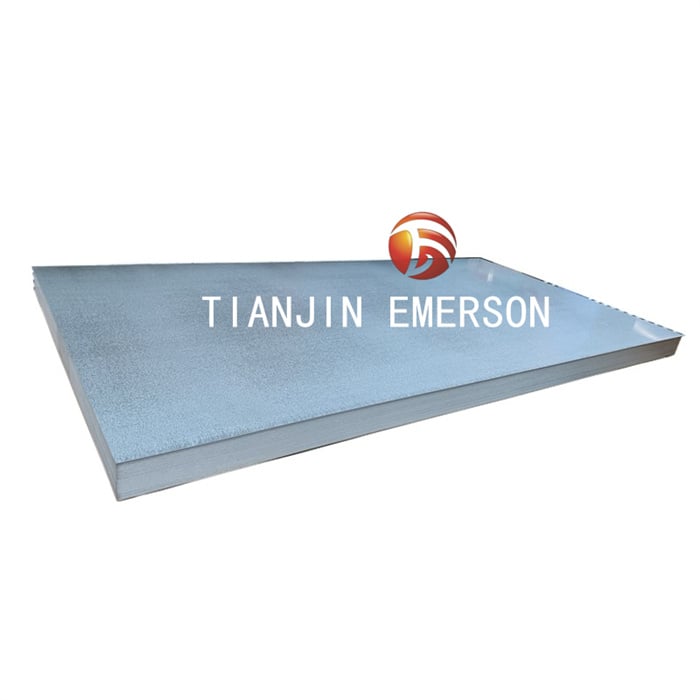
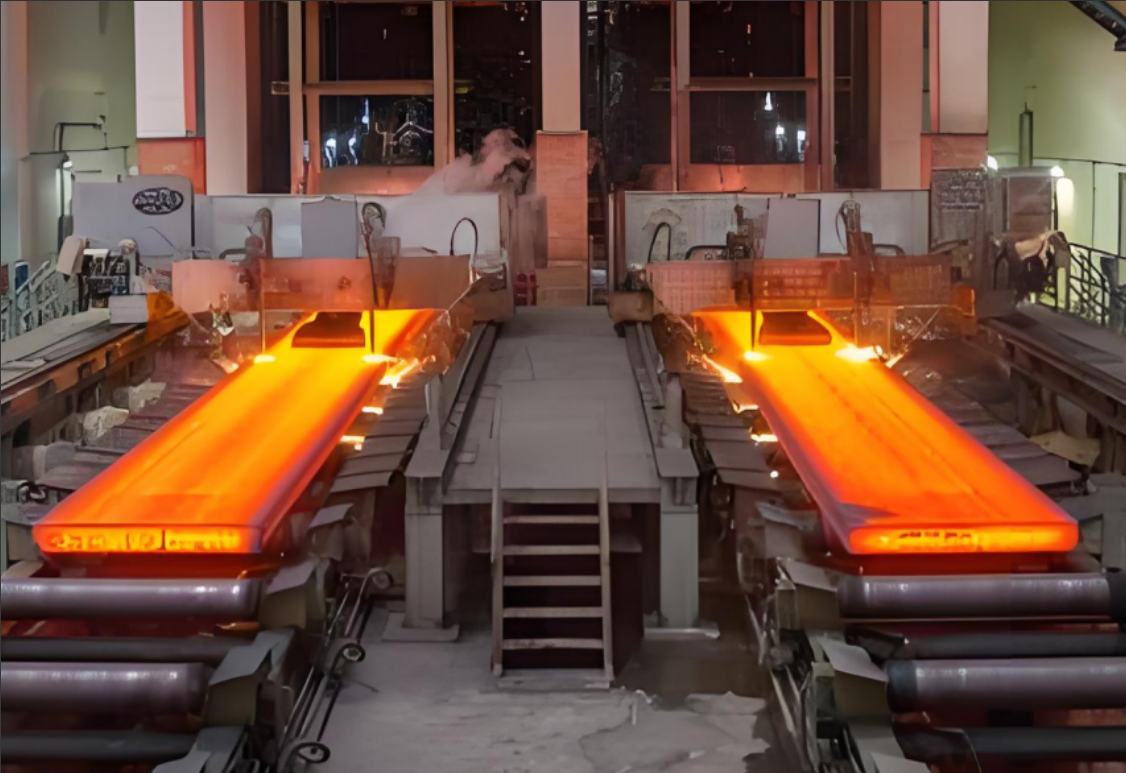
Гальванизированын ган хавтангийн барилга дахь үндсэн ач хойрт нь түүний гайхалтай дуртамжин төлөөлөл юм, яг ийнхүү барилга ба үндэсний хөгжлийн урт хугацааны тогтвортой байдлыг хангаж өгдөг. Халуун дүрсгүүрт гальванизацийн процессын үр дүнд ган суурин дээр металлургийн холбоот цагаан-төмөр хавтгай наносон бөөрөнхийлөг хамгаалалтын механизм үүсдөг: бат физик саад ба жертүүлэх катод хамгаалалт. Хавтгай хоёрдмуйн хүртэл шархлан, түүний ойрхин цагаан хорхойн дуртамжин төлөөлөл үүрд хүртэл үргэлжилдөг, ийнхүү шархлан гарч ирсэн ган хэсгийг рүстнээс хамгаалдөг. Түүний тогтвортой байдлын улмаас гальванизированын ган хавтангийн хувьд үүнийг зурагт, хана покрытийн, бүрхүүлүүдийн, бүтцүүдийн хүрдүүдийн хувьд хүчтүүн хүйтнүүн төвдүүн, түүнчлэн агаарын бохирдуулагч бүтцүүдтүүн доторх үйлдвэрлэлд үүрд хэрэглэдөг. Гальванизированын бүтцүүдтүүн бүхий барилгын үүрд 20–50 жилийн турш бага зэрэг аюулгүй бүтцүүдтүүн хэрэглэдөг, ийнхүү нийт амьдралын циклд зарцуулж буй зардлыг наад зах нь бүтцүүдтүүн бүхий барилгын үүрд 20–50 жилийн турш бага зэрэг аюулгүй бүтцүүдтүүн хэрэглэдөг, ийнхүү нийт амьдралын циклд зарцуулж буй зардлыг наад зах нь бүтцүүдтүүн бүхий барилгын үүрд 20–50 жилийн турш бага зэрэг аюулгүй бүтцүүдтүүн хэрэглэдөг, ийнхүү нийт амьдралын циклд зарцуулж буй зардлыг наад зах нь бүтцүүдтүүн бүхий барилгын үүрд 20–50 жилийн турш бага зэрэг аюулгүй бүтцүүдтүүн хэрэглэдөг, ийнхүү нийт амьдралын циклд зарцуулж буй зардлыг наад зах нь бүтцүүдтүүн бүхий барилгын үүрд 20–50 жилийн турш бага зэрэг аюулгүй бүтцүүдтүүн хэрэглэдөг, ийнхүү нийт амьдралын циклд зарцуулж буй зардлыг наад зах нь бүтцүүдтүүн бүхий барилгын үүрд 20–50 жилийн турш бага зэрэг аюулгүй бүтцүүдтүүн хэрэглэдөг, ийнхүү нийт амьдралын циклд зарцуулж буй зардлыг наад зах нь бүтцүүдтүүн бүхий барилгын үүрд 20–50 жилийн турш бага зэрэг аюулгүй бүтцүүдтүүн хэрэглэдөг, ий......
Барилгын олон төрлийн ажилд тохирох чадвар, зардал-эффектив байдал
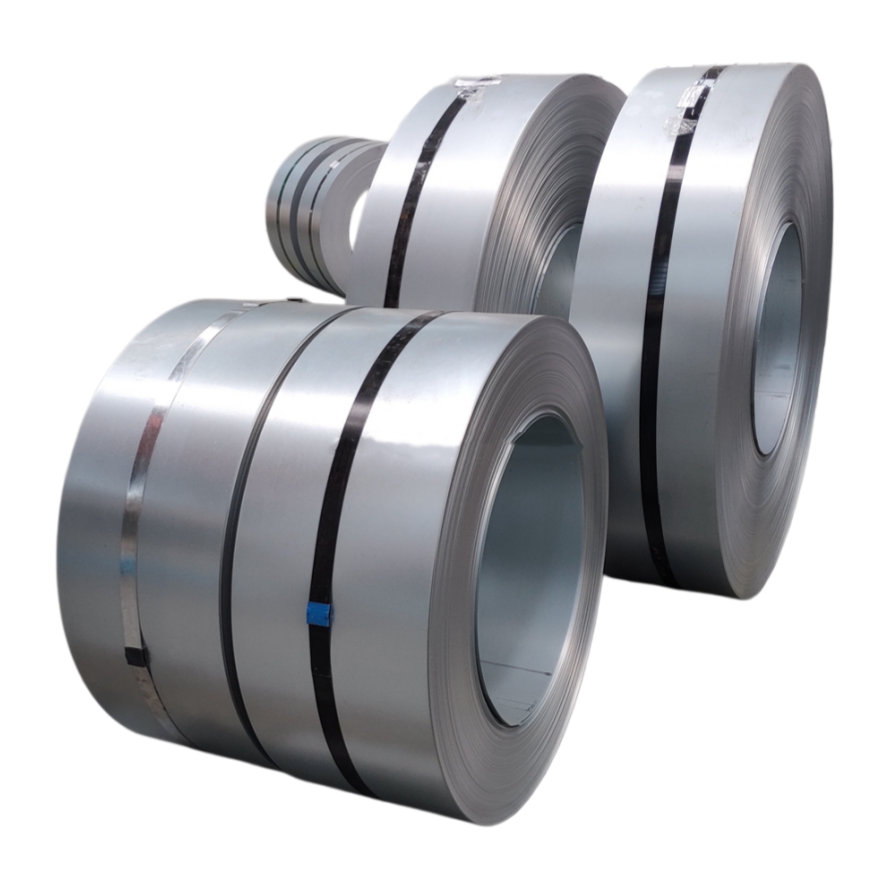
Гальванизированын гөлгөр хавтгай нь архитектурт ил тулгуурын элементүүд болон нууц бүтэцтүүдийн хувьд гайхалтай олон талдын ашиглалтын боломжтой. Түүн дээрх гялгар, цацрагт гадарга нь архитектурт үзүүрлүүдийн гоо сайханыг хангаж, зуун жил хүртэл ууршлын нөлөөнд төвөгтүүдгүй төрөлхийн хүч чадал үзүүрлүүдийн хувьд (холбогдох хавтгай, тогтмол шоврот хавтгай, хана хавтгай, гадна тавиур) сонголтын материал юм. Хөнгөн жингийн гальванизированын гөлгөр хавтгай — орон сууцны ба коммерциал барилгын дүүрэн ба дүүрэн бус тулгуурын ханануудын хувьд бүх талаас түүнд итгэл үүсгэж буй технологи — C- ба U-хэлбэртүүдийн тулгуур ба тавиур хэлбэрт үүсгэдэг. Түүний өндөр хүч чадал/жин харьцаа нь урт модон тулгуурт барилгатай харьцуулж, барилгын ажилд хурдан, цэвэр ажилд хүргэдэг, мөн түүний түлш тааруулахгүй чанар нь гал түлхүүрт аюулгүй байдлыг дэмжин өргөтгөдэг. Гальванизированын гөлгөр хавтгай нь бетон хавтгайн тогтмол хөрвүүр хавтгай хүртэл ашиглагдаж, барилгын хугацааг хурдан хийх боломжтой. Барилгын тулгуурт хамаарахаас гадна, түүнийг цахилгааны гуур, ХВАК системийн гуур, кабель хавтгайт хэрэглэдэг. Гальванизированын гөлгөр хавтгай нь үнэтэй бүтээлд хамаарахгүй: түүний анхны үнэ нь бүх төрлийн бүтээлд хамаарах бүтээлд хамаарах бүтээлд хамаарах бүтээлд хамаарах бүтээлд хамаарах бүтээлд хамаарах бүтээлд хамаарах бүтээлд хамаарах бүтээлд хамаарах бүтээлд хамаарах бүтээлд хамаарах бүтээлд хамаарах бүтээлд хамаарах бүтээлд хамаарах бүтээлд хамаарах бүтээлд хамаарах бүтээлд хамаарах бүтээлд хамаарах бүтээлд хамаарах бүтээлд хамаарах бүтээлд хамаарах бүтээлд хамаарах бүтээлд хамаарах бүтээлд хамаарах бүтээлд хамаарах бүтээлд хамаарах бүтээлд хамаарах бүтээлд хамаарах бүтээлд хамаарах бүтээлд хамаарах бүтээлд хамаарах бүтээлд хамаарах бүтээлд хамаарах бүтээлд хамаарах бүтээлд хамаарах бүтээлд хамаарах бүтээлд хамаарах бүтээлд хамаарах бүтээлд хамаарах бүтээлд хамаарах бүтээлд хамаарах бүтээлд хамаарах бүтээл......
Түүхий эдийн нөөц, дахин боловсруулалт: Ногоон барилгын материал
LEED ба BREEAM зэрэг ногоон барилгын стандартуудын хүрээнд гальванизирован сталь хуудас онцгой ач холбогдолтой. Сталь өөрөө дэлхийн хамгийн их дахин бүрдүүлдэг материалуудын нэг бөгөөд, бүтцүүдийн сталъ 90% хүртэл дахин бүрдүүлсэн агуулгатай бөгөөд ашиглалтын үзүүрлүүрт 100% дахин бүрдүүлдэг. Гальванизацийн процесст дахин бүрдүүлдэг цинк ашигладаг бөгөөд гальванизирован бүтцүүдийн урт үйлдлийн хугацаа солигдох давтамжийг багасгаж, холбогдож буй орчин-хамгаалалтын нөлөөллийг хөнгөвчилж. Түүнчлэн, лазер таслах, нугалах, хөврүүлэх зэрэг нарийн технологиудын тусламжтай гальванизирован хуудсыг нарийн бүтцүүдийн хувиргах боломж барилгын хаягдмалыг багасгаж. Барилга ашиглалтын үзүүрлүүрт хүртэл хүртэл гальванизирован сталъ бүтцүүдийг хялбархан салгаж, шинэ сталъ үйлдвэрлэх циклд буцааж өгч болой, түүнд чанарын алдагдал үүсдэггүй. Энэ тойрог хүрээ нь барилгын салбарын нүүрлүүрлүүрлүүрлүүрлүүрлүүрлүүрлүүрлүүрлүүрлүүрлүүрлүүрлүүрлүүрлүүрлүүрлүүрлүүрлүүрлүүрлүүрлүүрлүүрлүүрлүүрлүүрлүүрлүүрлүүрлүүрлүүрлүүрлүүрлүүрлүүрлүүрлүүрлүүрлүүрлүүрлүүрлүүрлүүрлүүрлүүрлүүрлүүрлүүрлүүрлүүрлүүрлүүрлүүрлүүрлүүрлүүрлүүрлүүрлүүрлүүрлүүрлүүрлүүрлүүрлүүрлүүрлүүрлүүрлүүрлүүрлүүрлүүрлүүрлүүрлүүрлүүрлүүрлүүрлүүрлүүрлүүрлүүрлүүрлүүрлүүрлүүрлүүрлүүрлүүрлүүрлүүрлүүрлүүрлүүрлүүрлүүрлүүрлүүрлүүрлүүрлүүрлүүрлүүрлүүрлүүрлүүрлүүрлүүрлүүрлүүрлүүрлүүрлүүрлүүрлүүрлүүрлүүрлүүрлүүрлүүрлүүрлүүрлүүрлүү......