Introduction: The Critical Decision in Steel Fabrication
Selecting the right steel material is one of the most consequential decisions in any fabrication or engineering project. The choice directly influences structural integrity, corrosion resistance, machinability, weldability, and total lifecycle cost. With thousands of steel grades available, the three primary categories—carbon steel, stainless steel, and alloy steel—form the foundation of most industrial applications. Each family offers distinct properties suited to specific environments and performance requirements. Understanding the fundamental differences between these materials enables engineers, fabricators, and procurement professionals to make informed decisions that balance technical needs with economic realities. This article provides a comprehensive comparison to guide your material selection process.
Carbon Steel: The Workhorse of Industry
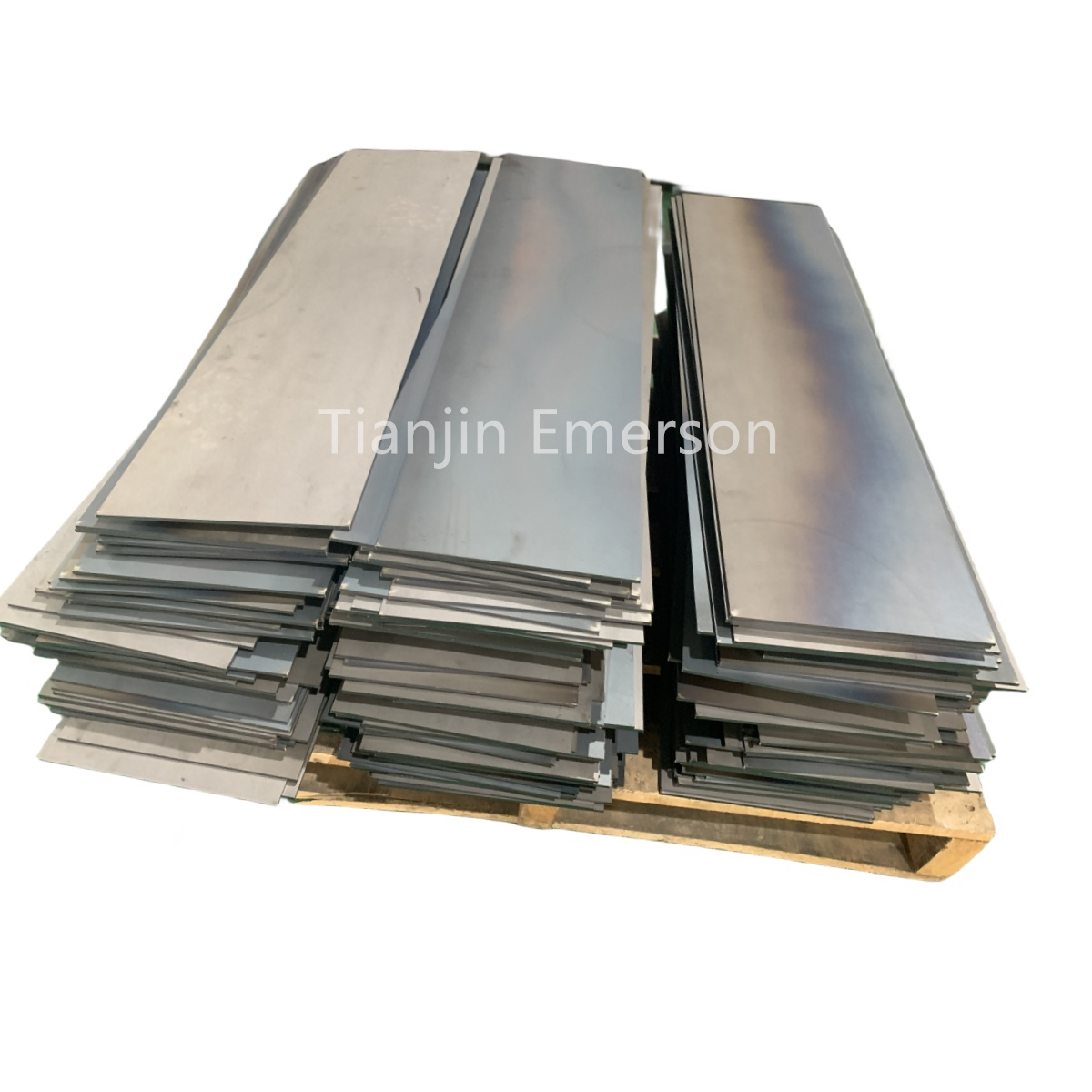
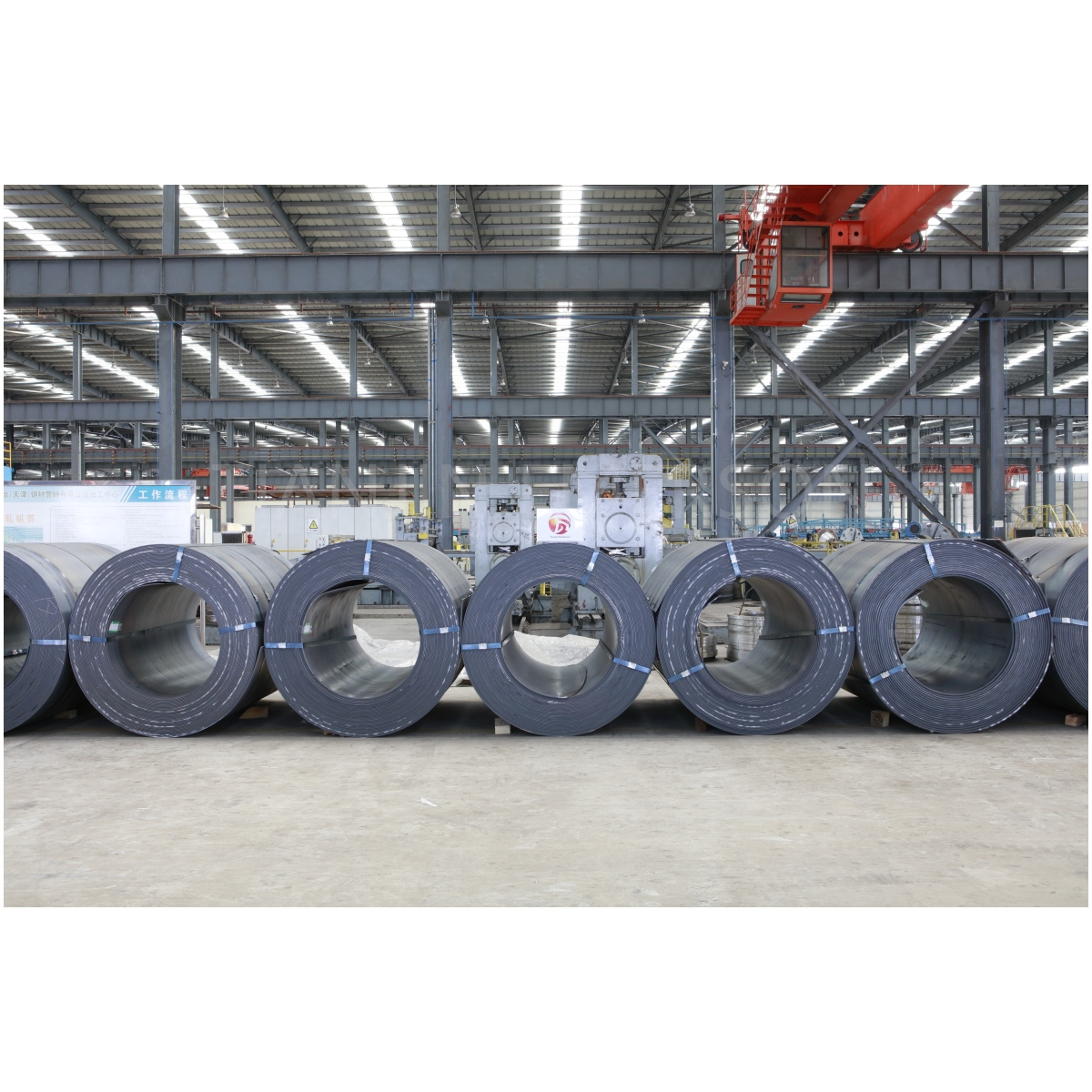
Carbon steel is the most widely used and cost-effective category, primarily composed of iron and carbon, with carbon content ranging from 0.05% to 2.0%. Low-carbon steels (up to 0.30% carbon) offer excellent weldability and formability, making them ideal for structural frames, brackets, and general fabrication. Medium-carbon steels (0.30–0.60% carbon) provide higher strength and wear resistance for shafts, gears, and machinery components. High-carbon steels (above 0.60% carbon) deliver maximum hardness for cutting tools and springs. The primary limitation of carbon steel is its susceptibility to corrosion; it requires protective coatings such as paint, galvanizing, or powder coating in outdoor or humid environments. Despite this, carbon steel remains the default choice for construction, automotive, and industrial equipment due to its unbeatable combination of strength and affordability.
Stainless Steel: The Corrosion-Resistant Solution
Stainless steel is defined by a minimum chromium content of 10.5%, which forms a passive, self-repairing oxide layer that provides outstanding corrosion resistance. Austenitic grades such as 304 and 316 are the most common, offering excellent formability, weldability, and hygiene. Grade 316, with added molybdenum, resists chlorides and is ideal for marine, chemical, and pharmaceutical applications. Ferritic grades like 430 are magnetic and cost-effective for appliances and automotive trim. Martensitic grades (410, 420) can be hardened for cutlery and surgical instruments. Duplex grades (2205) combine high strength with superior corrosion resistance for offshore and chemical processing. While stainless steel carries a higher initial cost, its maintenance-free service life and durability often justify the investment in aggressive environments. It is the material of choice when corrosion, hygiene, or aesthetics are paramount.
Alloy Steel: Engineered for Extreme Performance
Alloy steel incorporates elements such as chromium, molybdenum, nickel, vanadium, and manganese to achieve properties beyond what carbon steel can offer. These additions enhance hardenability, toughness, wear resistance, and high-temperature strength. Common grades include 4140 and 4340 for high-stress shafts and gears, and chrome-moly grades like ASTM A387 for pressure vessels and power generation. Alloy steels respond exceptionally well to heat treatment, allowing precise tailoring of mechanical properties. However, they are more expensive, require more careful welding procedures (preheat and post-weld heat treatment), and are less readily available than carbon steels. They are specified for demanding applications where high strength-to-weight ratios, fatigue resistance, or elevated temperature performance are essential, such as aerospace, oil and gas, and heavy machinery.
Key Selection Criteria: Matching Material to Application
Choosing the right steel requires a systematic evaluation of several factors. First, define the mechanical requirements: yield strength, tensile strength, hardness, and toughness. Second, assess the service environment: indoor, outdoor, humid, marine, chemical, or high-temperature. Third, consider fabrication methods: cutting, bending, welding, and machining. Fourth, evaluate lifecycle cost, including initial material, processing, maintenance, and replacement. Fifth, check code and standard requirements (ASTM, ASME, EN). For general structural applications in dry environments, carbon steel is sufficient. For corrosive or hygienic environments, stainless steel is necessary. For high-stress, high-temperature, or wear-critical applications, alloy steel is the optimal choice. A clear understanding of these criteria prevents over-specification and ensures cost-effective performance.
Cost and Lifecycle Considerations
Initial material cost is a primary concern, but lifecycle cost tells the complete story. Carbon steel is the most economical upfront, but it requires protective coatings and periodic maintenance. Stainless steel costs two to four times more initially, yet its corrosion resistance eliminates coating and maintenance expenses in many environments. Alloy steel falls between the two, with higher material and processing costs but superior performance in demanding conditions. When evaluating total cost of ownership, consider fabrication costs, coating expenses, maintenance intervals, downtime, and replacement frequency. In corrosive environments, stainless steel often delivers the lowest lifecycle cost despite its higher purchase price. In dry, controlled environments, carbon steel with a quality coating is usually the most cost-effective solution. Alloy steel is justified when failure costs are high or when weight reduction and performance gains are critical.
Fabrication and Processing Considerations
The fabrication characteristics of each steel family influence process selection and cost. Carbon steel is easy to cut, bend, and weld using standard methods. Laser cutting, MIG welding, and press brake bending are straightforward. Stainless steel requires more careful handling: it work-hardens during machining, demands higher bending forces, and requires TIG welding with back purging to preserve corrosion resistance. Alloy steel demands preheating and post-weld heat treatment to prevent cracking, and its higher hardness accelerates tool wear. Surface treatment options also differ: carbon steel needs painting or galvanizing; stainless steel may be passivated or electropolished; alloy steel may require protective coatings or plating. Understanding these processing nuances ensures that the selected material can be efficiently fabricated without compromising quality.
Conclusion: Making the Informed Choice
Choosing between carbon steel, stainless steel, and alloy steel is a strategic decision that must align with application requirements, environmental conditions, and budget constraints. Carbon steel offers strength and economy for general applications. Stainless steel provides corrosion resistance and hygiene for demanding environments. Alloy steel delivers exceptional mechanical properties for extreme performance. By carefully evaluating mechanical needs, service conditions, fabrication methods, and lifecycle costs, engineers and fabricators can select the optimal material for each project. Partnering with a knowledgeable steel supplier and fabricator further ensures that the chosen material is processed correctly, delivering reliable, durable, and cost-effective components.