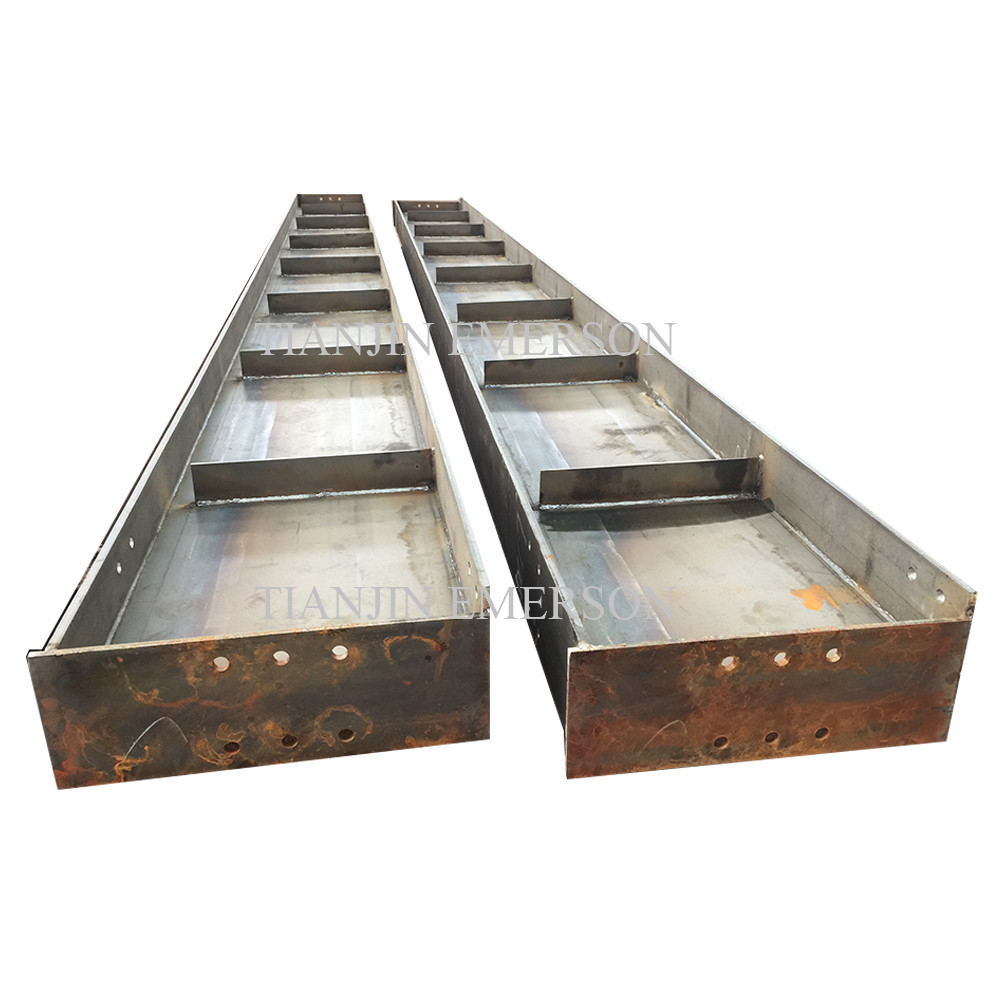
In the fields of industrial manufacturing and component design, the selection of raw materials is a critical factor determining a product's service life, maintenance requirements, and ultimate performance within its operating environment. Among the most fundamental considerations is corrosion resistance—the material's ability to withstand degradation caused by chemical or electrochemical reactions with its surroundings. As a specialized metal fabrication facility, we possess precise expertise in the corrosion characteristics of carbon steel, stainless steel, and aluminum, alongside a comprehensive suite of material processing equipment. This includes precision laser cutting, CNC bending, and specialized welding techniques.
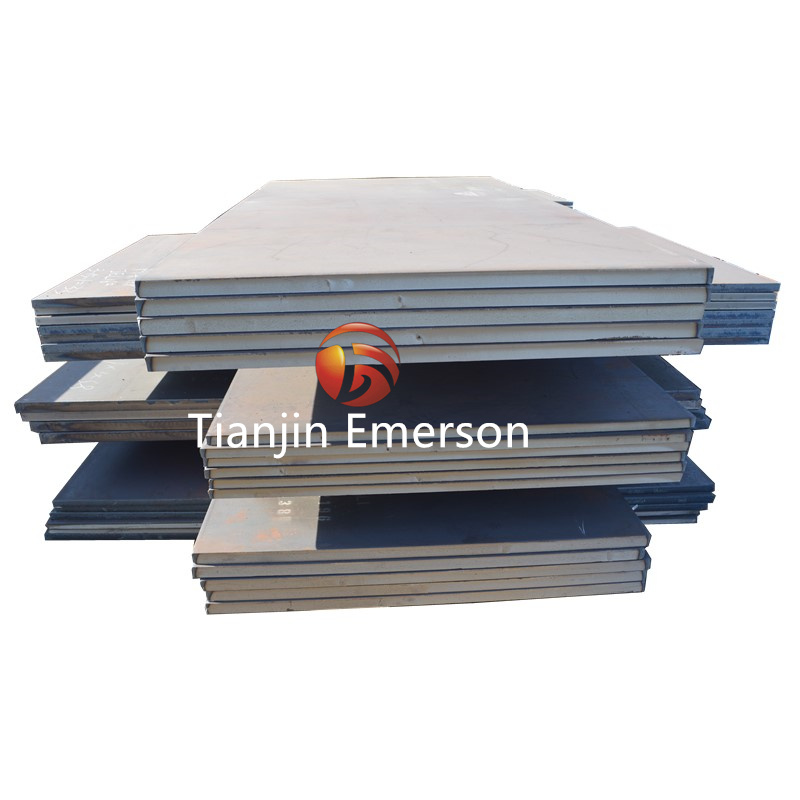
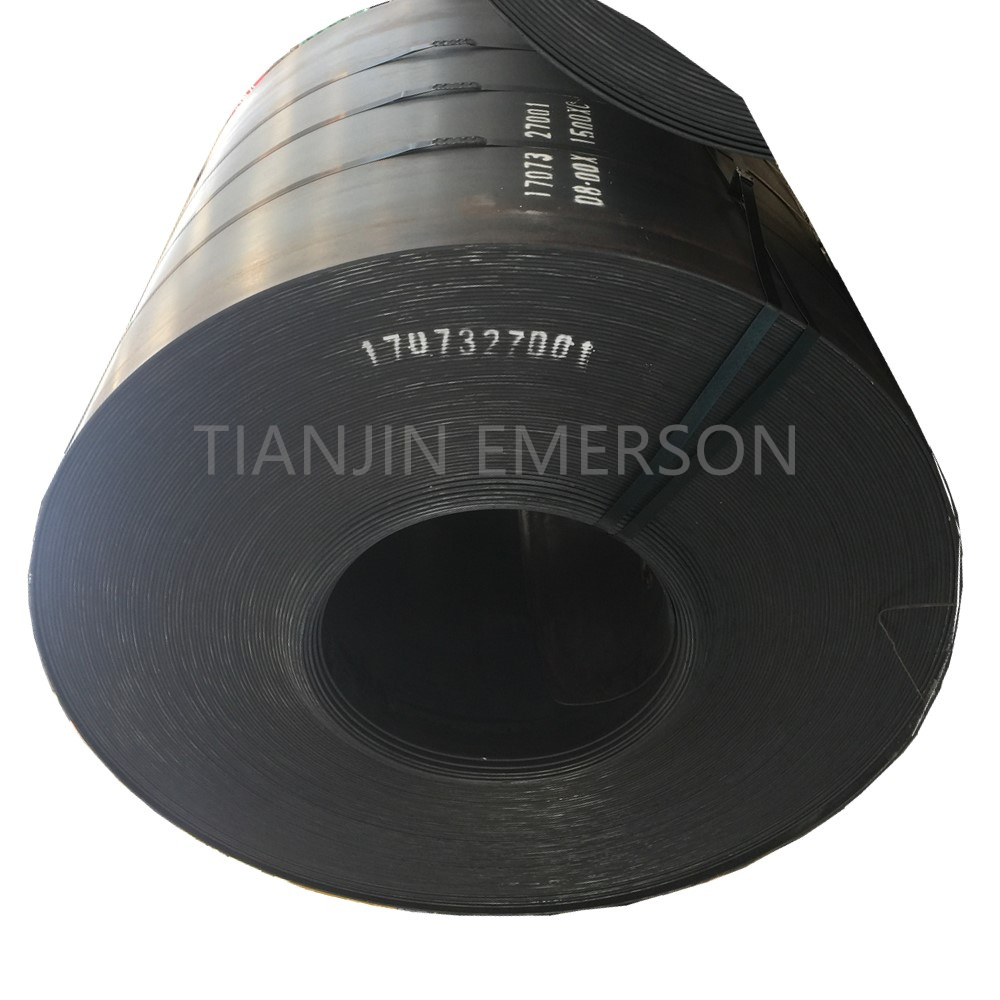
Carbon steel is highly valued for its strength, excellent workability, and cost-effectiveness, but it inherently possesses extremely low corrosion resistance. Its primary alloying elements are iron and carbon, making its surface highly susceptible to oxidation (rusting) upon contact with moisture and oxygen. This vulnerability necessitates proactive protective measures, where our manufacturing and surface treatment services play a critical role. For carbon steel components, we employ and recommend robust post-fabrication surface treatments. These include sacrificial zinc coatings formed through hot-dip galvanizing, or the application of premium industrial paints and powder coating systems. Such processes create physical barriers that effectively isolate the steel from corrosive environments. This makes carbon steel suitable for indoor applications, structural frameworks, and mechanical equipment—scenarios where environmental exposure is controlled or where protective coatings can be regularly maintained.
In stark contrast, stainless steel derives its name and core characteristic from its passive corrosion resistance. This property stems from its minimum 10.5% chromium content, which forms a thin, tightly adherent, and self-repairing chromium oxide layer on the surface. Uncommon austenitic stainless steels like 304 exhibit outstanding universal corrosion resistance across diverse atmospheric conditions, chemical exposures, and food contact applications. In more demanding chloride-containing environments—such as marine or deicing salt scenarios—molybdenum-alloyed 316 grades deliver superior resistance to pitting and crevice corrosion. It is crucial to note that improper processing can compromise stainless steel's corrosion resistance. Our welding techniques are precisely controlled to prevent “sensitization.” Additionally, using compatible filler metals (such as ER316L welding wire) ensures the integrity of the corrosion-resistant layer in the weld zone. This makes stainless steel an indispensable choice for pharmaceutical, food processing, chemical, and coastal construction projects.
Aluminum possesses unique properties, with its corrosion resistance stemming from distinct mechanisms. When exposed to air, aluminum spontaneously forms a thin, hard layer of aluminum oxide. This natural oxide film exhibits exceptional stability, tightly bonding with the base metal to effectively resist atmospheric corrosion. Consequently, aluminum alloys such as 5052 and 6061 become ideal choices for applications including architectural curtain walls, automotive bodies, marine components, and heat exchangers. However, this oxide layer may deteriorate in highly alkaline or acidic environments. To enhance protection and enable aesthetic customization, we offer anodizing services—an electrochemical process that thickens and strengthens the natural oxide layer while incorporating durable, long-lasting color dyes. Additionally, specialized techniques and shielding gases during aluminum welding effectively prevent oxidation reactions, ensuring newly formed welds and surrounding areas retain their protective properties.
Ultimately, the selection between carbon steel, stainless steel, and aluminum hinges on a careful analysis of the operating environment, mechanical requirements, lifecycle costs, and aesthetic demands. Carbon steel, when surface-coated, delivers cost-effective strength in protected environments. Stainless steel offers inherent, maintenance-free durability in corrosive and sanitary settings. Aluminum boasts an exceptional strength-to-weight ratio and excellent natural weather resistance. As manufacturers, we assist clients in selecting appropriate materials and employ process technologies calibrated to material properties—whether laser cutting stainless steel with parameters that prevent thermal distortion, bending aluminum with optimal radii to avoid cracking, or applying perfect galvanization for carbon steel surface treatment. This integrated approach ensures each custom component not only balances form and function but also withstands environmental challenges, delivering enduring performance.