
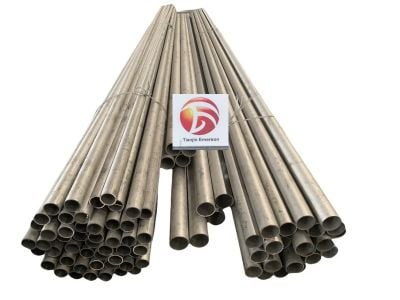
Seamless steel pipes are important in many industries, especially in applications that require high pressure. For readers such as engineers, buyers and managers, understanding seamless steel pipes helps plan projects with less risk. This article will discuss why seamless steel pipes are suitable for high-pressure systems, the key specifications to consider, where to find a reliable supply, installation considerations, and common problems that may be experienced in using them. The goal of this article is to give B2B buyers information that will help them make better purchasing decisions.
What Makes Seamless Steel Piper Ideal for High-Pressure Applications
Seamless steel pipes are made from solid steel that is continuously forged, with no welds or joints. Because there are no welds, the inner surface is smoother, which helps reduce flow resistance and lowers risk in high-pressure systems, supporting better quality control. This is why they are able to last a long time and are more reliable compared to welded pipes, especially in high-pressure applications. The lack of welds eliminates the weak points that could cause leakage or failure under high pressure.
Because of this, seamless steel pipes are often used in industries such as oil and gas, chemical processing, and power generation. For these sectors, seamless pipes with the right material grade provide safety and reliability in daily plant operations. In these systems, piping failure can cause a major hazards, so the use of seamless pipes is a critical aspect of design and operation. It is also important to consider additional factors such as temperature and chemical exposure, which can affect the performance of the pipes.
Key Specifications for Seamless Steel Pipes in High-Pressure Systems
When choosing a seamless steel pipes for high-pressure systems, there are several main specifications to consider. Choosing the right diameter and wall thickness for seamless steel pipes helps balance pressure resistance with weight and flexibility in high-pressure systems. First, the diameter and thickness of the pipe are important. The thicker wall provides higher resistance to pressure, but it also needs to be balanced with the weight and flexibility of the material.
Second, the material grade is a critical aspect. Quality control checks should confirm the exact material grade and its compatibility with service conditions. The pipes are usually made of ASTM A106 or A53 for high temperature and pressure applications. These gradings provide information about the mechanical properties and chemical composition of the steel coil, which is important to ensure the suitability of the pipe for the specific application.
Lastly, the surface finish and heat treatment have a big effect on durability and corrosion resistance. A good surface finish and proper heat treatment also help seamless steel pipes resist corrosion and extend life in harsh environments. Seamless pipes with proper heat treatment are more durable and can handle tougher conditions.
Where to Source Reliable Seamless Steel Pipers for Bulk Orders
In search for a reliable supplier of seamless steel pipes, it is important to consider several aspects. For bulk orders, a reliable partner for seamless steel pipes with clear quality control and quick lead times is essential. First, it should be ensured that the supplier has a good reputation in the industry. Tianjin Emerson, as a direct factory, offers various metal steel materials and has the capability to supply small and bulk orders.
Also make sure to check their quality control processes. For extra assurance, quality control measures such as testing and certificates help confirm the product integrity. This is important to ensure that the steel structure manufacturing products meet the standards and specifications. It is also a good idea to ask for samples before a large order to inspect the quality and suitable performance of the pipes in your specific application. Requests for test reports and certificates ensure the material grade and quality control meet standards.
Don't forget about the lead time and packaging methods. For clarity, packaging details also reflect the supplier's approach to quality control and safe shipping. Proper logistics and packaging will help ensure that the products arrive on time and in good condition.
Installation Considerations for High-Pressure Seamless Steel Pipes
The proper installation of seamless steel pipes is very important, especially in high-pressure systems. For seamless steel pipes, installation teams focus on precise alignment, compatible fittings, and safe procedures. Proper alignment and fitting of the pipes should be considered to avoid stress points that can cause damage. Using quality fittings and flanges will help match the joints and ensure the integrity of the system.
It is also important to check the environmental conditions where the pipes will be installed. For seamless laser cutting service pipes, environmental checks help ensure the right coating and protection are used, which can save cost and improve longevity. If the pipes will be placed in areas with high temperatures or exposure to corrosive substances, additional protective coatings or treatments may be needed.
Aside from this, the maintenance and operational procedures must be set to ensure that the pipes will remain in good condition in their entire lifecycle. Regular maintenance plans and simple checks help keep high-pressure systems safe, efficient, and under quality control.
Common Problems with Seamless Steel Pipes and Their Solutions
One of the most common problems that can be experienced in the use of seamless steel pipes is corrosion. For seamless steel pipes, corrosion is a big concern in many places, so material grade and coating selection must match service conditions to ensure quality control. To avoid this, it is important to choose the right material grade and surface treatment. Pipes with corrosion-resistant coatings can help increase the lifespan of the products.
Another issue is the misalignment during the installation, which can cause pressure points and leaks. In high-pressure systems, regular alignment checks during the work can help prevent misalignment. Proper fitting and regular inspection will help to prevent this problem.
Pressure fluctuations may also cause stress in the pipes. In high-pressure systems, designs should plan for surge and steady state pressure and include relief valves, all checked as part of quality control. It is important that the systems are properly designed to cope with these fluctuations, and pressure relief valves should be included in the system design.
In these situations, having a reliable supplier with a solid background in manufacturing and quality control, such as Tianjin Emerson, will help ensure that the seamless steel pipes meet the required standards and are durable under pressure. A supplier with a strong quality control program can provide certificates and testing data to prove compliance.
Understanding the aspects of seamless steel pipes and their application in high-pressure systems allows B2B buyers to make more informed purchasing decisions. Such knowledge helps buyers compare options and choose the best material grade and product features for their needs.
Table of Contents
- What Makes Seamless Steel Piper Ideal for High-Pressure Applications
- Key Specifications for Seamless Steel Pipes in High-Pressure Systems
- Where to Source Reliable Seamless Steel Pipers for Bulk Orders
- Installation Considerations for High-Pressure Seamless Steel Pipes
- Common Problems with Seamless Steel Pipes and Their Solutions