
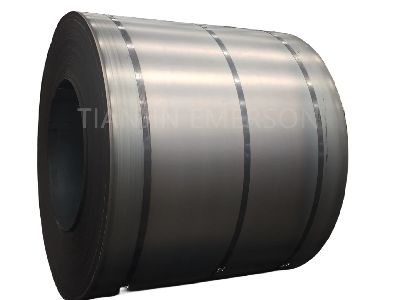
Hot rolled steel sheets are important materials in the manufacturing industry. Understanding hot rolled steel sheets helps teams plan procurement, ensure quality, and consider supplier options early. The quality of these products depends on various factors that buyers must consider, such as suppliers and application requirements. This approach also keeps an eye on cost implications later in the supply chain. In this article, we will discuss what determines the quality of hot rolled steel sheets for manufacturing, and provide practical information that will help buyers in their purchasing decisions.
What factors influence the quality of hot rolled steel sheets?
The quality of hot rolled steel sheets is affected by several factors. First, the type of steel used has a significant impact on the strength and performance of the material. This choice also influences cost implications and long-term reliability. Hot rolled steel sheets are usually made from carbon steel which may have varying levels of alloying elements. A higher level of alloying elements can improve corrosion resistance and help support structures. These alloys help improve the properties of the steel, such as corrosion resistance and ability to support structures.
Second, the manufacturing process is critical. Hot rolled sheets must go through the correct heating and rolling process to achieve the required thickness and dimensions. Process controls also affect delivery times and overall cost implications. Incorrect settings on the machines can cause product defects, such as steel coil uneven thickness or incorrect dimensions.
Third, quality control at every step of production is also an important aspect. Intensive testing of materials and processes helps ensure that hot rolled steel sheets meet industry standards. Quality checks help verify the final quality and keep the process reliable.
Quality, cost, and supplier options
When selecting hot rolled steel sheets, three main factors should be considered: quality, cost, and supplier options. This trio also reminds buyers to check relevant certifications and the supplier options available. Quality should be the top priority, as quality materials result in more reliable products and a lower likelihood of future problems. Buyers should look for suppliers with quality control systems and certifications to ensure their products are safe.
Cost is another important consideration. The price of hot rolled steel sheets can vary depending on the steel grade, thickness, and size. This shows why cost implications should be steel structure manufacturing reviewed with quality in mind. Buyers should be smart about their budget and look at the total cost of the purchase, not just the unit price. Cheaper products can lead to higher maintenance costs in the future if they are not reliable.
When it comes to supplier options, having multiple choices allows buyers to find the best deal. Tianjin Emerson, for example, offers a variety of metal steel materials and is capable of providing one-stop solutions for clients. A reliable supplier option can also support faster delivery and better service. Buyers should contact suppliers to discuss their specific needs and evaluate their ability to provide customized solutions.
Understanding cost implications of hot rolled steel sheet purchases
The costs associated with purchasing hot rolled steel sheets can be complex. This is part of cost implications that many buyers forget. In addition to the basic price of the material, there are additional costs to consider such as transportation, packaging, and custom duties. Buyers should contact the supplier to understand the full cost of their order. Knowing all charges helps compare supplier options fairly.
The minimum order quantity (MOQ) is also an important factor. Most suppliers, such as Tianjin Emerson, can provide flexibility for small orders, but the laser cutting service price may be higher compared to bulk orders. Heavier loads and higher volumes can reduce cost implications per unit. It is a good idea to determine the required quantity and review the ordering options before making a decision. Always compare options to find the best value.
Manufacturing and delivery lead times should also be considered. Longer lead times can slow down projects, so it is important to know the supplier's current capacity. Early planning helps maintain supply and avoid delays. Buyers should request estimates from the supplier and factor them into their project timeline.
Common problems with hot rolled steel sheets and effective solutions
Despite the benefits of hot rolled steel sheets, there are some common problems that consumers may experience. One of them is surface defects, such as scratches or poor finish. These problems can be caused by improper handling or transportation. Quality checks at the factory help detect issues with surface quality and keep supplier options open. To avoid this, it is important to check the packaging and transportation conditions before the materials leave the factory
Another common issue is incorrect dimensions. Hot rolled sheets must be carefully measured and inspected before mass production. Buyers should request samples and inspect them under actual operating conditions to ensure that the dimensions match their requirements. Accurate measurements save time and keep costs in check.
Buyers should be wary of suppliers who do not provide sufficient information about their products. Asking suppliers about their quality control processes can help ensure that hot rolled steel sheets meet expectations and standards. Clear information about grades and handling supports better supplier options. Documentation is part of cost implications too.
Best applications for hot rolled steel sheets in manufacturing projects
Hot rolled steel sheets have a wide range of applications in the manufacturing industry. They are often used to make structures, equipment, and machine parts. Their strength and ability to withstand stresses and strains under extreme conditions make them ideal for construction and engineering projects. Choosing the right grade enhances quality and supports supplier options. This also affects cost implications when choosing materials.
In automotive applications, for example, hot rolled steel sheets are used to make chassis and other structural components. They provide the strength needed to maintain the integrity of the vehicle under a variety of conditions. For automotive uses, quality and cost implications matter when selecting sheet thickness and grade. In the equipment manufacturing industries. hot rolled sheets are also used to make frames and parts that require high strength,
It is also important to consider custom requirements in projects. Tianjin Emerson offers flexibility to customers through OEM and ODM services, allowing buyers to have products tailored to their specific needs. This is a good example of supplier options that support quality and cost implications.
Table of Contents
- What factors influence the quality of hot rolled steel sheets?
- Quality, cost, and supplier options
- Understanding cost implications of hot rolled steel sheet purchases
- Common problems with hot rolled steel sheets and effective solutions
- Best applications for hot rolled steel sheets in manufacturing projects