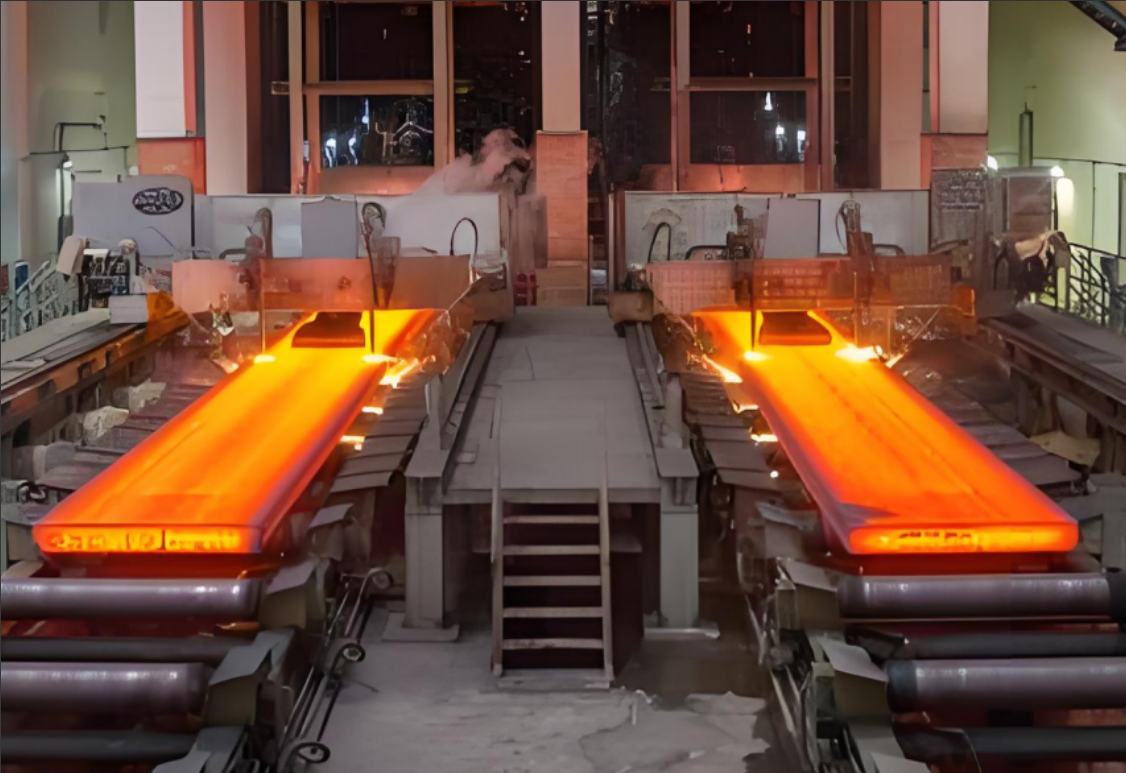
Introduction: The Versatility of Steel Plate Cutting Parts
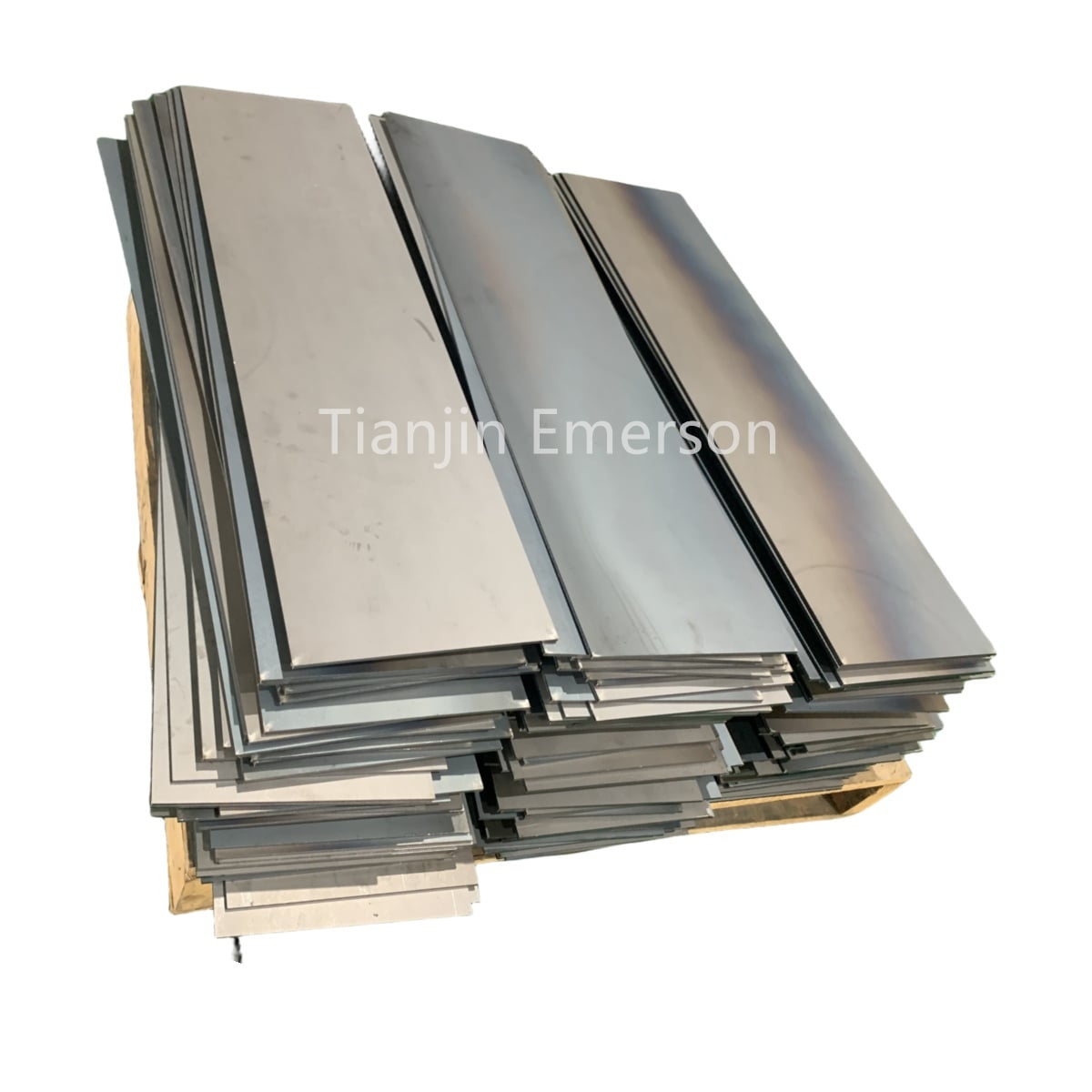
Steel plate cutting parts are fundamental components in modern manufacturing, serving as the building blocks for structures, machinery, vehicles, and equipment across virtually every industry. Produced through processes such as laser cutting, plasma cutting, and oxy-fuel cutting, these parts are fabricated from carbon steel, stainless steel, and alloy steel plates in thicknesses ranging from 0.5mm to over 150mm. The precision, strength, and durability of steel plate cutting parts make them indispensable in applications where structural integrity, dimensional accuracy, and long service life are critical. From construction and automotive to energy and agriculture, steel plate cutting parts enable innovation, safety, and efficiency in the built environment. This article explores the diverse applications of steel plate cutting parts across major industrial sectors, highlighting how custom cutting technologies meet the unique demands of each field.
Construction and Infrastructure
In the construction and infrastructure sectors, steel plate cutting parts form the backbone of structural frameworks, connection nodes, and load-bearing assemblies. Base plates, gusset plates, and stiffeners are precision-cut from structural steel plates and used to connect beams, columns, and braces in steel-framed buildings, bridges, and industrial facilities. Embedded plates and anchor plates are cut and drilled to exact dimensions for casting into concrete foundations, providing secure load transfer between concrete and steel structures. In bridge construction, gusset plates, splice plates, and diaphragm plates are fabricated from thick carbon steel plates to withstand dynamic loads and environmental exposure. Architectural features such as decorative screens, facade panels, and custom brackets also rely on steel plate cutting for precise geometry and aesthetic appeal. The ability to cut complex shapes, holes, and bevels ensures that every component fits perfectly on site, reducing construction time and improving structural safety.
Automotive and Transportation
The automotive and transportation industries depend heavily on steel plate cutting parts for vehicle structures, chassis components, and safety systems. Chassis brackets, suspension mounts, and frame reinforcements are cut from high-strength low-alloy (HSLA) steel plates to reduce weight while maintaining crashworthiness. Brake components, steering knuckles, and axle brackets require precision cutting to achieve tight tolerances and reliable performance. In commercial vehicles, trailer frames, truck bed supports, and fifth-wheel plates are fabricated from thick carbon steel plates for durability under heavy loads. Railway applications include bogie frames, coupler components, and track fastening plates cut from wear-resistant and high-strength steels. For electric vehicles, battery pack enclosures and motor mounting plates are precision-cut to protect critical components and ensure structural integrity. The automotive sector increasingly specifies laser-cut steel plates for their excellent edge quality, minimal heat-affected zone, and suitability for automated welding and assembly.
Industrial Machinery and Equipment
Steel plate cutting parts are essential in the manufacture of industrial machinery, equipment, and production systems. Machine bases, frames, and bed plates are cut from heavy carbon steel plates to provide rigid, vibration-resistant foundations for precision machinery. Gears, pulleys, and sprockets are blanked from alloy steel plates before machining, ensuring consistent material properties and dimensional accuracy. Conveyor components, hopper liners, and chute plates are fabricated from abrasion-resistant steel plates to withstand continuous wear in material handling operations. Hydraulic cylinder mounts, pump bases, and valve bodies require precision-cut plates for leak-free performance and long service life. In food processing and pharmaceutical equipment, stainless steel plate cutting parts provide corrosion resistance, cleanability, and hygiene compliance. The versatility of laser and plasma cutting allows manufacturers to produce complex geometries, slots, and hole patterns that would be difficult or impossible with conventional machining.
Energy and Power Generation
The energy sector relies on steel plate cutting parts for both conventional and renewable power generation. In thermal power plants, boiler components, ductwork, and support structures are cut from heat-resistant and pressure vessel steels. Wind turbine towers and nacelles incorporate base plates, flange plates, and reinforcement rings cut from high-strength steel plates to withstand dynamic wind loads. Solar mounting structures use brackets, rails, and base plates cut from galvanized or weathering steel for long-term outdoor durability. In oil and gas, wellhead components, pipeline supports, and offshore platform structures are fabricated from thick, high-strength plates that meet stringent certification requirements. Nuclear power plants specify stainless steel and alloy steel plate cutting parts for reactor internals, cooling systems, and containment structures, where material purity and dimensional precision are paramount.
Agricultural and Heavy Equipment
Agricultural machinery and heavy equipment demand steel plate cutting parts that can withstand harsh operating conditions, impact loads, and abrasive wear. Tractor frames, plow blades, and harvester components are cut from high-strength and wear-resistant steel plates. Excavator buckets, bulldozer blades, and loader arms use abrasion-resistant plates (such as AR400 or AR500) to extend service life in mining and construction. Grain bin supports, livestock equipment, and irrigation system components are fabricated from galvanized steel plates for corrosion resistance. Forestry equipment, including chipper blades and grapple components, requires precision-cut alloy steel plates for strength and durability. The ability to cut thick plates with complex profiles ensures that agricultural and heavy equipment manufacturers can produce reliable, long-lasting machinery that performs in the most demanding environments.
Electronics, Telecommunications, and Precision Equipment
In the electronics and telecommunications industries, steel plate cutting parts serve as enclosures, chassis, racks, and mounting plates for sensitive equipment. Server racks, network cabinets, and switchgear housings are cut from cold-rolled or galvanized steel plates and then bent and welded into precision assemblies. Heat sinks, shielding plates, and grounding components are fabricated from aluminum or copper plates for thermal and electrical performance. Precision instruments and medical devices rely on stainless steel plate cutting parts for brackets, housings, and internal structural components that require biocompatibility, corrosion resistance, and exact dimensional tolerances. Laser cutting is particularly valued in these applications for its ability to produce fine features, clean edges, and minimal material distortion.
Shipbuilding and Marine Engineering
Shipbuilding and marine engineering represent some of the most demanding applications for steel plate cutting parts. Hull plates, deck plates, and bulkhead panels are cut from shipbuilding steel plates (such as AH36, DH36, and EH36) that meet classification society standards for strength, toughness, and weldability. Frame sections, brackets, and stiffeners are precision-cut to exact geometries for efficient assembly in shipyards. Offshore platform structures, including legs, braces, and deck supports, are fabricated from thick, high-strength plates that resist corrosion and fatigue in marine environments. Propeller shafts, rudder components, and mooring hardware require alloy steel and stainless steel plate cutting parts for reliability and longevity. The ability to cut large, thick plates with high accuracy is essential for reducing fit-up time and ensuring structural integrity in these critical marine applications.
Conclusion: A Foundation for Modern Industry
Steel plate cutting parts are indispensable across virtually every sector of modern industry. From the tallest buildings and longest bridges to the most advanced vehicles and precision instruments, these components provide the strength, durability, and accuracy that engineers and manufacturers depend on. As cutting technologies continue to advance—with higher-power lasers, automated nesting, and digital integration—the applications of steel plate cutting parts will only expand. For fabricators and end users alike, understanding the diverse applications of these components is essential for selecting the right material, process, and supplier to meet the demands of each unique project.