Inventory is the line item that rarely appears on a steel fabrication quotation, yet it shapes the true cost of every tonne delivered. A fabricator holding three months of coil is not “covered”—it is financing steel, warehousing steel, and absorbing the risk of steel that may not match next month’s cutting programme. For buyers and project managers sourcing from mills and fabrication factories, just-in-time steel supply is less a delivery tactic than a working-capital strategy. It moves the cost question from “what did we pay per tonne?” to “what did holding that tonne actually cost us?”
The Real Carrying Cost of Steel Inventory
Steel inventory carrying cost is consistently underestimated because most of it is invisible on the invoice. Industry benchmarks place all-in carrying costs at roughly 18% to 30% of inventory value per year, with manufacturing-sector ranges extending from 15% to 35%. That figure bundles tied-up capital, insurance, warehouse space, handling equipment, obsolescence, and administrative burden. For a fabricator holding US$1 million in coil and plate, the annual cost of simply owning that stock can run between US$180,000 and US$300,000 before a single cut is made. Coil inventory management exists to shrink that number without stopping the line.
Why Steel Plate and Coil Are Especially Expensive to Store
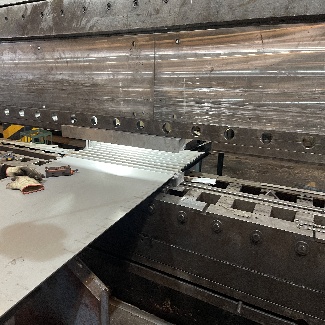
Steel is not a benign inventory. Steel plate and coil storage consumes floor area, requires lifting equipment rated for multi-tonne loads, and carries real damage exposure—edge deformation, surface rust, and coil “memory” that affects flattening. In third-party facilities, indoor coil storage alone is charged at per-tonne monthly rates, with loading, unloading, and internal movement billed as separate events. These steel handling costs are volume-driven and do not disappear when demand slows. The more inventory a fabricator carries, the more handling cycles each tonne experiences, and the greater the chance of damage that converts a saleable plate into scrap.
JIT Steel Supply Shifts the Cost Curve, Not Just the Delivery Date
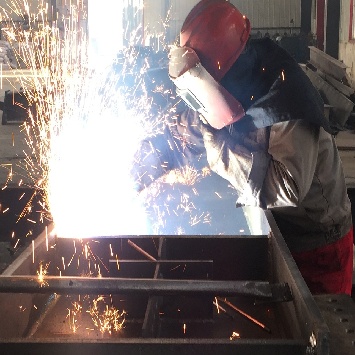
JIT steel delivery works by synchronising material release to production consumption rather than to a purchase order forecast. The mechanism is straightforward: smaller, more frequent releases of coil and plate sized to the work order, delivered against a confirmed cutting and bending schedule. The cost effect is threefold. First, average inventory value falls, releasing working capital. Second, storage and double-handling shrink because material moves from receiving to laser cutting with minimal dwell time. Third, steel fabrication working capital that was trapped in stock becomes available for equipment, labour, or receivables. A supplier controlling both raw material and fabrication can compress this cycle because the coil slitting, plate cutting, and welding sequence runs inside one material flow.
The Trade-Off JIT Skeptics Correctly Identify
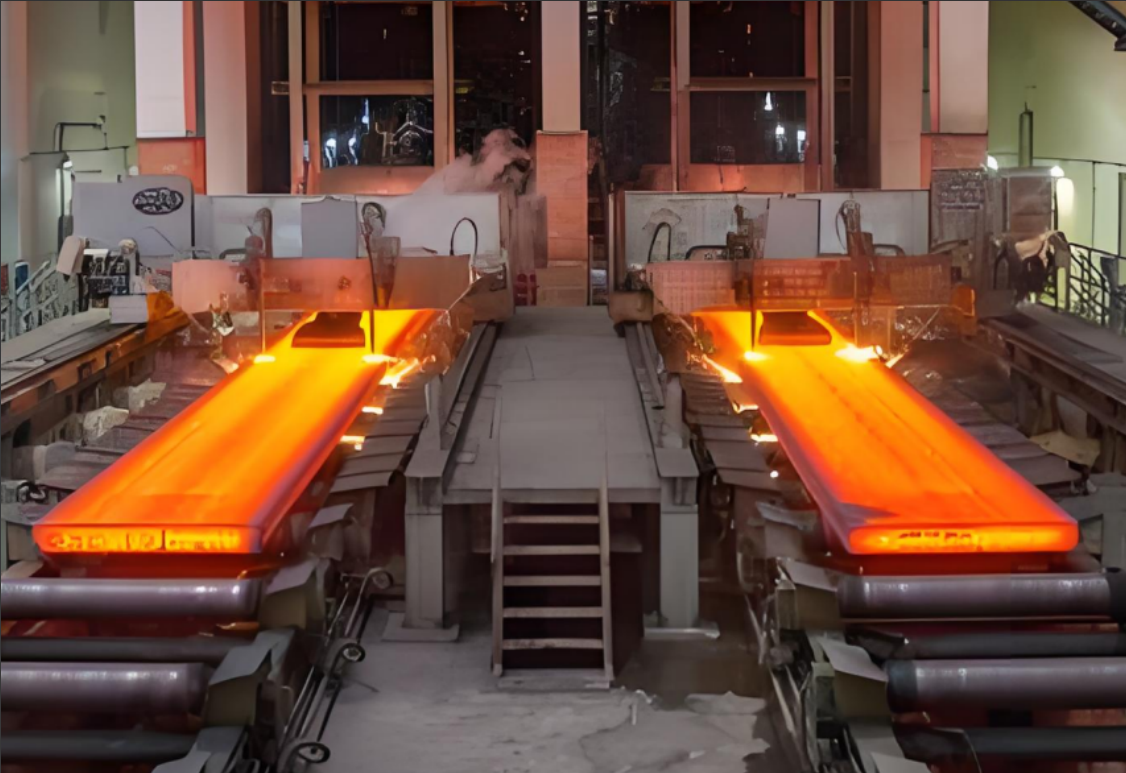
JIT is not free inventory avoidance. A narrower buffer increases exposure to mill lead times and price swings, and lean operations can lose sales when demand spikes and stock is unavailable. This is a legitimate criticism, not a reason to abandon JIT. JIT steel supply works when the supplier carries the volatility buffer upstream—holding master coil widths and common plate gauges at the mill or service-centre level, then releasing cut-to-size material to the fabricator’s schedule. The buyer’s inventory falls; the supplier’s stocking position absorbs the lead-time risk. That arrangement is only credible when the steel supply chain partner has direct access to coil and plate inventory and can release it through laser cutting, bending, and welding without re-entering the spot market for each order.
Coil Width Optimisation as an Inventory Cost Lever
Coil inventory management is also a yield problem. Every additional master coil width held increases the chance that a given part nests efficiently, but it also multiplies the SKUs sitting in the warehouse. The optimum is not “more widths” or “fewer widths” in isolation; it is the width set that covers the active part family at the highest material utilisation. Fabricators that align steel coil purchasing with nesting analysis reduce scrap per part and avoid holding slow-moving widths that turn less than four times per year—a velocity threshold some operators treat as the line between efficient capital and dead stock. When the same supplier performs the laser cutting and bending, coil width decisions are made against actual cutting programmes rather than forecast averages.
What a JIT Steel Supply Programme Should Specify
A workable just-in-time steel supply agreement states the material basis, release frequency, minimum and maximum stock levels, and the trigger for replenishment. It also states who owns the buffer: consignment stock, supplier-managed inventory, or a fixed call-off schedule against a mill contract. Steel plate and coil procurement on JIT terms should document grade and thickness availability, cut-to-length or slit-to-width tolerances, and the inspection point at which material transfers to the fabricator’s risk. Without those clauses, JIT degrades into expedited ordering—and expedited steel, like expedited freight, carries a premium that erases the carrying-cost saving.
Conclusion: JIT Reduces the Cost of Holding Steel, Not the Need for Steel
Just-in-time steel supply does not eliminate inventory; it relocates it to where it performs best—upstream at the coil and plate source, and downstream at the point of consumption. The buyer’s gain is a lower steel inventory carrying cost, less handling, and working capital released back into the project. The supplier’s role is to make that possible by holding the right coil widths and plate gauges and releasing them through in-house laser cutting, bending, and welding on a schedule the fabricator can trust. The lowest steel cost is not the cheapest invoice per tonne; it is the total cost of steel supply after carrying, handling, scrap, and capital are counted.