Introduction: Definition and Key Characteristics
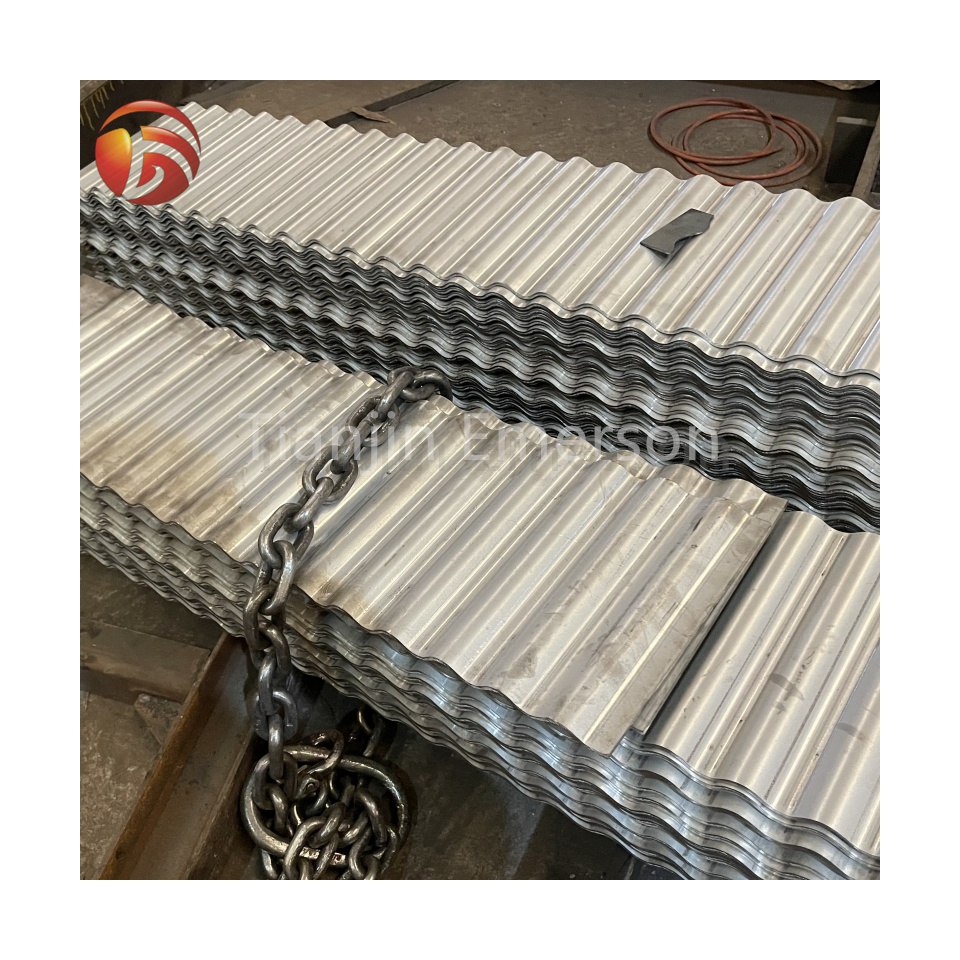
Stainless steel corrugated sheet is a specialized flat product characterized by a repetitive wave-like or ribbed pattern formed into the surface of stainless steel strip or plate. Unlike flat sheet, the corrugated profile significantly increases stiffness and load-bearing capacity without adding material thickness, making it an efficient structural and architectural solution. The material is typically produced from austenitic grades such as 304, 304L, 316, and 316L, offering excellent corrosion resistance, high-temperature strength, and aesthetic appeal. The corrugation can be sinusoidal, trapezoidal, or custom-designed to meet specific structural or visual requirements. Thickness generally ranges from 0.3mm to 5mm, with profile heights from 5mm to 50mm and widths up to 1250mm. This combination of properties makes stainless steel corrugated sheet indispensable in roofing, cladding, industrial equipment, and transportation applications where durability and hygiene are paramount.
Manufacturing Process: Roll Forming and Continuous Production
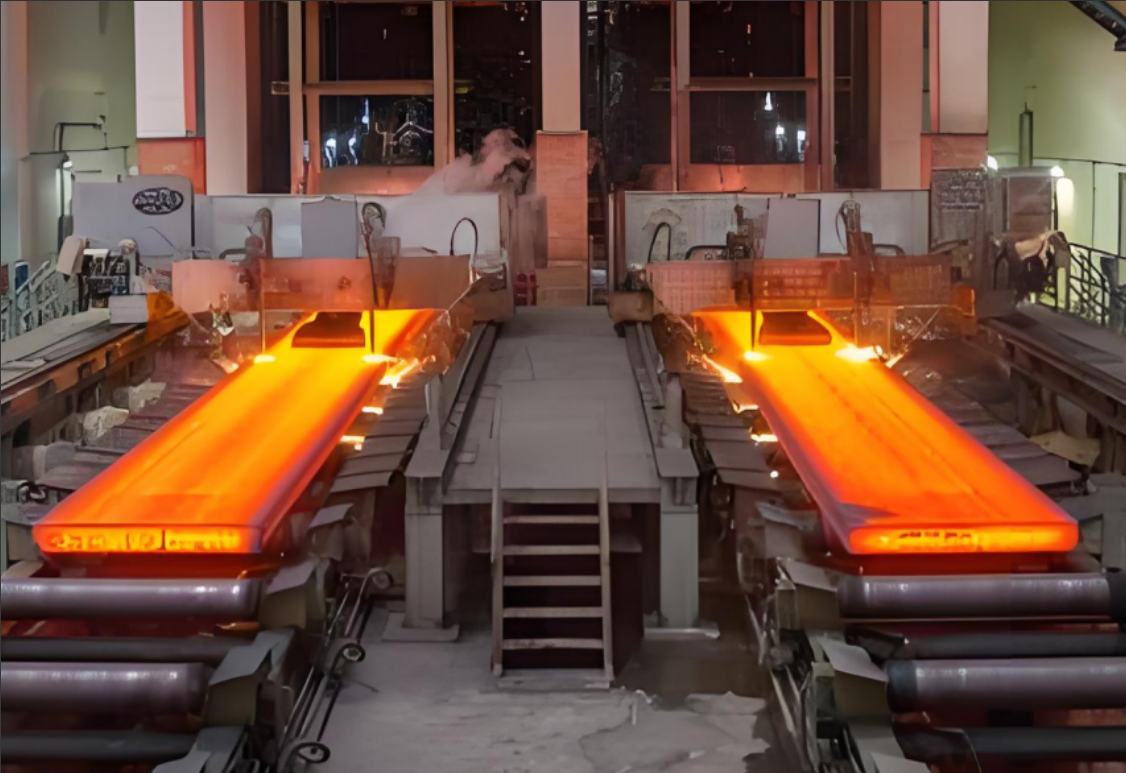
The manufacturing of stainless steel corrugated sheet is primarily accomplished through continuous roll forming, a cold-forming process that progressively shapes flat stainless steel strip into the desired corrugated profile. The production line begins with a decoiler that feeds the stainless steel coil into a series of forming stations. Each station consists of matched upper and lower rolls that gradually bend the strip without causing cracking or excessive work hardening. The number of stations depends on the complexity of the profile, typically ranging from 10 to 30 stands. Lubrication is applied to reduce friction and tool wear. After forming, the continuous corrugated strip passes through a flying shear or cut-off press that cuts it to specified lengths. For certain applications, the sheet may undergo edge trimming, perforating, or end-crimping. Advanced lines incorporate online thickness gauging and profile inspection to ensure dimensional accuracy. Because stainless steel work-hardens rapidly, roll forming must be carefully designed to avoid edge cracking, and intermediate annealing may be required for thick or high-strength grades. The process is highly efficient, capable of producing long lengths with consistent quality, and is suitable for both small-batch custom profiles and high-volume production.
Material Selection and Specifications
The choice of stainless steel grade for corrugated sheet depends on the service environment and mechanical requirements. Grade 304 is the most widely used, offering excellent corrosion resistance in atmospheric and many chemical environments, good formability, and weldability. It is suitable for architectural roofing, wall cladding, and general industrial applications. Grade 316 contains molybdenum and provides superior resistance to chlorides and marine atmospheres, making it ideal for coastal projects, chemical plants, and food processing facilities. Grade 316L offers enhanced weldability for assemblies that cannot be post-weld annealed. For high-temperature applications, grade 321 or 309S may be specified. Thickness selection is governed by structural load, span, and installation method. Common thicknesses include 0.5mm, 0.8mm, 1.0mm, 1.2mm, and 1.5mm. The corrugation geometry—such as pitch, depth, and profile shape—is designed to optimize the section modulus and drainage characteristics. Standards such as ASTM A240 and EN 10088 govern the chemical composition and mechanical properties of the base material, while dimensional tolerances for corrugated profiles are specified in relevant building codes and manufacturer standards.
Structural and Performance Advantages
Stainless steel corrugated sheet offers numerous performance advantages over flat sheet and other materials. The corrugated profile dramatically increases the moment of inertia, enabling the sheet to resist bending and deflection under wind, snow, and impact loads with minimal material thickness. This translates into material savings, lighter structures, and reduced foundation requirements. The stainless steel substrate provides outstanding corrosion resistance, eliminating the need for painting or coating in most environments, and ensuring a long service life with minimal maintenance. The surface is non-porous, easy to clean, and resistant to bacterial growth, making it suitable for hygienic applications. Stainless steel corrugated sheet also offers excellent fire resistance, does not emit toxic fumes, and is fully recyclable at end of life. Additionally, the reflective surface can reduce solar heat gain, contributing to building energy efficiency. These combined advantages make stainless steel corrugated sheet a high-performance solution for demanding architectural and industrial projects.
Architectural and Construction Applications
In the construction sector, stainless steel corrugated sheet is extensively used for roofing, wall cladding, and façade systems. Its modern, clean lines and metallic finish are highly valued in contemporary architecture, including commercial buildings, airports, stadiums, and cultural facilities. The material is also used for canopies, walkways, stair treads, and decorative screens. Because it withstands harsh weather, pollution, and salt spray, it is particularly suitable for coastal and industrial environments where painted steel would deteriorate rapidly. In roofing, the corrugated profile provides effective drainage and structural spanning capability, reducing the need for frequent supports. The sheets can be installed with concealed fasteners for a sleek appearance or with exposed fasteners for industrial aesthetics. Stainless steel corrugated sheets are also used in rainwater systems, gutter liners, and chimney cladding. Their long service life and low maintenance requirements contribute to sustainable building design and lifecycle cost savings.
Industrial, Transportation, and Specialty Applications
Beyond architecture, stainless steel corrugated sheet serves critical roles in industrial and transportation applications. In chemical and pharmaceutical plants, it is used for equipment enclosures, ventilation ducting, and cleanroom wall panels due to its corrosion resistance and cleanability. In food processing, corrugated stainless steel sheets form conveyor covers, drainage trays, and hygienic wall linings. The energy sector utilizes corrugated stainless steel for solar panel mounting structures, heat exchanger components, and exhaust systems. In transportation, it is employed in bus and railcar interior panels, ship superstructures, and truck trailer linings, where its strength-to-weight ratio and corrosion resistance are advantageous. Water treatment facilities use corrugated stainless steel for tank covers, baffles, and aeration systems. Additionally, the material is used in mining screens, architectural sculptures, and decorative elements. The ability to customize profile, thickness, and surface finish allows engineers and designers to tailor the product for specific functional and aesthetic requirements.
Quality Control and Installation Considerations
Ensuring the performance of stainless steel corrugated sheet requires rigorous quality control throughout manufacturing and careful installation practices. During production, dimensional checks verify profile height, pitch, width, and length tolerances. Surface inspection detects scratches, roll marks, or oxidation that could affect corrosion resistance. Mechanical testing confirms yield strength, tensile strength, and elongation. For welded assemblies, weld quality is inspected visually and, where required, by non-destructive methods. During installation, sheets should be handled with clean gloves to avoid contamination, and cutting debris must be removed to prevent rust staining. Fasteners should be of matching stainless steel to avoid galvanic corrosion. Thermal expansion must be accommodated with appropriate fixing details. Regular cleaning with mild detergent and water maintains the appearance and corrosion resistance. By integrating robust manufacturing controls with proper installation and maintenance, stainless steel corrugated sheet delivers reliable, long-lasting performance across the most demanding environments.