
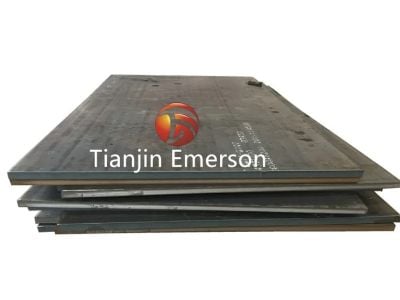
Steel flat bars play a crucial role in the construction of structural components and industrial frames. These versatile steel structure manufacturing products are essential for a wide range of applications, from building frameworks to machinery supports. When sourcing steel flat bars, buyers often have concerns regarding quality, specifications, and reliability of suppliers. This article will guide you through the key considerations for sourcing steel flat bars effectively, ensuring that your projects meet both performance and safety standards.
What to Consider When Sourcing Steel Flat Bars for Projects?
When sourcing steel flat bars, several key factors should be evaluated to ensure the material meets project specifications. Firstly, consider the dimensions required for your application, including width, thickness, and length. These specifications are critical as they directly influence the structural integrity and load-bearing capacity of the final assembly.
Next, the material grade is vital; common grades include ASTM A36 and A992, each with unique properties that affect strength, ductility, and weldability. For instance, ASTM A36 is known for its good weldability and machinability, making it suitable for general structural applications. Additionally, confirm whether the steel has undergone any treatments, such as hot-rolled or cold-rolled processes, which can impact surface finish and mechanical properties.
Lastly, assess the manufacturer’s ability to provide certifications and quality assurance documentation. This can include material test reports, which confirm that the steel meets specified standards and is free from defects.
Where to Find Reliable Suppliers for Steel Flat Bars Wholesale?
Finding reliable suppliers is crucial for ensuring a steady supply of steel flat bars. Start by researching manufacturers with a strong reputation in the industry, particularly those specializing in steel products. Direct factory suppliers, like Tianjin Emerson, can offer the advantage of competitive pricing and shorter lead times due to their in-stock inventory.
Utilizing industry directories and trade shows can also help identify trustworthy suppliers. Look for companies that provide detailed information about their manufacturing capabilities and quality control processes. Moreover, consider suppliers that support OEM and ODM services, as they may be more flexible in meeting specific project requirements.
Engaging with industry peers for recommendations can also yield valuable insights. Always request samples and conduct quality checks before placing a bulk order to ensure the supplier's products align with your expectations.
How to Choose the Right Steel Flat Bars for Industrial Applications?
Choosing the right steel flat bars involves understanding the specific application requirements. For structural applications, the load-bearing capacity is essential. Calculate the expected loads and choose a material that can safely support these stresses. For instance, if the steel flat bars will be used in high-stress environments, selecting a higher-grade material like ASTM A992 may be prudent.
Additionally, consider the environment where the steel will be used. If the application involves exposure to corrosive elements, opt for galvanized or coated flat bars and steel coil to enhance durability.
Customization may also be necessary; for example, if specific lengths or widths are required, ensure the supplier can accommodate these specifications. Discuss with your supplier any potential modifications to the standard product that could enhance performance in your specific application.
Quality Features and Material Advantages
Quality is paramount when it comes to steel flat bars. High-quality flat bars should exhibit consistent dimensions and surface finishes to ensure proper fit and function in assemblies. Look for features such as smooth edges and uniform thickness, which are crucial for welding and machining processes.
The material itself should possess properties that enhance its performance, such as yield strength, tensile strength, and ductility. For example, steel flat bars made from high-carbon steel can provide superior strength and hardness, making them suitable for heavy-duty applications and laser cutting service.
Another advantage of sourcing from established manufacturers is their adherence to industry standards and regulations. This ensures that the materials not only meet your quality requirements but also comply with safety regulations, thus reducing the risk of failures in the field.
Common Problems with Steel Flat Bars and Effective Solutions
While sourcing and using steel flat bars, several common issues can arise. One frequent problem is dimensional inaccuracies that can lead to installation difficulties. To mitigate this risk, always specify tolerances when placing orders and request material certifications to verify compliance with those tolerances.
Another issue is the presence of surface defects such as rust or scale, which can affect both aesthetics and performance. Ensure to discuss storage and handling processes with your supplier to minimize these risks. Additionally, consider post-processing options, such as cleaning and coating, to protect against corrosion if the steel will be exposed to harsh environments.
Lastly, if you encounter difficulties with weldability or machining, it may be due to the material grade or treatment process. Consult with your supplier to choose the appropriate grade for your specific applications. They can often provide guidance on best practices for handling and processing their products to achieve optimal results.
By keeping these considerations in mind, you can make informed decisions when sourcing steel flat bars for structural components and industrial frames, ensuring that your projects are both safe and successful.