
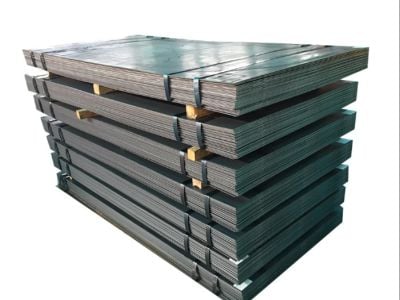
Stainless steel plates are essential components in the food processing and industrial equipment sectors due to their durability, resistance to corrosion, and hygienic qualities. When sourcing stainless steel plate for food processing and industrial applications, buyers often have concerns regarding quality, specifications, and proper installation. This article will guide you through the key considerations for sourcing, evaluating, and utilizing steel structure manufacturing effectively.
Where to Source High-Quality Stainless Steel Plate for Wholesale Orders?
When looking for high-quality stainless steel plates, consider sourcing from reputable manufacturers with a strong track record in metal processing and fabrication. Companies like Tianjin Emerson offer a variety of stainless steel options, ensuring abundant in-stock goods for prompt delivery. It is advisable to choose suppliers that support OEM and ODM, which allows for customization based on specific buyer requirements.
Key factors to consider when sourcing include:
Production Capacity: Ensure the supplier can meet your order volume consistently.
Material Certifications: Verify that the stainless steel plates meet necessary industry standards and certifications relevant to your application.
Quality Control Processes: Understand the manufacturer's quality assurance measures to guarantee product reliability.
Lead Time: Confirm the expected delivery times to align with your project schedules.
By prioritizing these factors, you can streamline the procurement process and ensure you receive high-quality stainless steel coil plates tailored to your specific needs.
Evaluating the Quality of Stainless Steel Plates for Industrial Use
Quality evaluation of stainless steel plates is critical for ensuring they meet the demands of food processing and industrial equipment. Several specifications should be carefully assessed:
Material Grade: The most common grades for food processing applications are 304 and 316 stainless steel. Grade 304 offers good corrosion resistance, while 316 provides enhanced protection against chlorides, making it suitable for marine environments or where exposure to salt is a concern.
Thickness and Dimensions: Confirm that the thickness meets your strength and durability requirements. Plates that are too thin may not withstand the stresses of industrial use, while excessively thick plates could lead to unnecessary weight and cost.
Surface Finish: A smooth finish is essential for hygiene in food processing. Look for plates with a polished surface that minimizes bacteria retention and simplifies cleaning.
Chemical Resistance: Ensure that the stainless steel plate can withstand the chemicals it may be exposed to in your specific environment.
Conducting a thorough inspection of these factors can help ensure that the stainless steel plates you select will perform reliably in your application.
How to Install Stainless Steel Plates for Food Processing Equipment?
Proper installation of stainless steel plates is crucial for ensuring the longevity and effectiveness of food processing equipment. Here are key steps to follow:
Surface Preparation: Ensure that the surfaces to which the plates will be attached are clean and free of contaminants. Any debris or old coatings can affect adhesion and performance.
Alignment and Fit: Before finalizing installation, ensure proper alignment and fit of the plates. Misalignment can lead to stress concentrations and potential failure during operation.
Fastening Methods: Utilize appropriate fastening techniques, such as welding or bolting, depending on the specific application and load requirements. Ensure that the chosen fasteners are also made from stainless steel to prevent corrosion.
Sealing and Finishing: If applicable, use food-safe sealants to prevent contamination and to ensure a tight seal against moisture. Proper finishing will help maintain hygiene and facilitate cleaning.
Following these installation practices will help optimize the performance and durability of your food processing equipment, ensuring compliance with safety standards.
Common Problems with Stainless Steel Plates and Effective Solutions
Despite their advantages, stainless steel plates can present certain challenges. Here are some common issues and their solutions:
Corrosion: While stainless steel is resistant to corrosion, it can still rust under certain conditions, especially if the protective layer is compromised. Regular maintenance and cleaning can help mitigate this risk. Use food-safe cleaners and avoid abrasive materials that could scratch the surface.
Warping: Heat during the manufacturing process can lead to warping. Ensure that the supplier has controlled manufacturing processes to minimize this risk. If warping occurs, it may require additional machining to achieve the desired flatness.
Surface Scratches: Scratches can harbor bacteria, leading to hygiene issues. Use appropriate handling and storage techniques, such as using protective coverings or padding, to minimize surface damage during transport and installation.
By proactively addressing these common problems, buyers can enhance the longevity and performance of their stainless steel plates.
Understanding the Advantages of Stainless Steel Plates for Food Safety
Stainless steel plates are favored in food processing applications primarily due to their inherent safety and hygiene features. Here are some advantages that make them ideal:
Corrosion Resistance: The ability of stainless steel to resist corrosion and rust is paramount in food processing environments where moisture is prevalent. This characteristic helps maintain product integrity and safety.
Ease of Cleaning: Stainless steel surfaces are easy to clean and sanitize, reducing the risk of contamination. Their non-porous nature prevents bacteria and other pathogens from penetrating the surface.
Durability: Stainless steel plates can withstand heavy loads and are less likely to deform or break, ensuring long-term performance even under demanding conditions.
Compliance with Health Regulations: Stainless steel is often a requirement in food processing due to its ability to meet stringent health and safety regulations, ensuring that food products remain safe for consumption.
By understanding these advantages, purchasing managers can make informed decisions about using stainless steel plates in their operations, enhancing both safety and efficiency in laser cutting service applications.
Table of Contents
- Where to Source High-Quality Stainless Steel Plate for Wholesale Orders?
- Evaluating the Quality of Stainless Steel Plates for Industrial Use
- How to Install Stainless Steel Plates for Food Processing Equipment?
- Common Problems with Stainless Steel Plates and Effective Solutions
- Understanding the Advantages of Stainless Steel Plates for Food Safety