
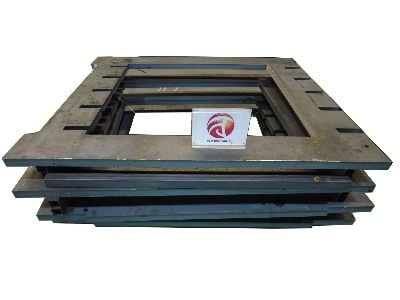
The industrial applications of carbon steel plate in heavy fabrication are extensive and critical for various sectors, including construction, manufacturing, and shipbuilding. These plates are valued for their strength, durability and cost-effectiveness, making them a preferred choice for heavy-duty applications. As a purchasing manager or engineer, understanding how to select the right carbon steel plate, the key specifications to consider, and the cost factors involved can significantly impact project success. This article aims to provide practical insights into these aspects, ensuring that you make informed decisions for your upcoming projects.
How to Choose the Right Carbon Steel Plate for Your Project?
Selecting the appropriate carbon steel plate begins with understanding the specific needs of your project. Consider factors such as the required strength, thickness, and dimensions. For applications involving heavy loads or high-stress conditions, opting for higher-grade carbon steel plates is advisable. The ASTM A36 and ASTM A572 are common specifications that provide a good balance of strength and weldability. Additionally, assess the environmental conditions where the plates will be used. If the plates will be exposed to moisture or corrosive substances, consider carbon steel coil with protective coatings or those specifically designed for corrosive environments. Engaging with a reliable supplier can help clarify the most suitable options based on your project requirements.
Key Specifications to Consider When Sourcing Carbon Steel Plates
When sourcing carbon steel plates, several key specifications should be evaluated:
Thickness and Dimensions: Ensure that the thickness meets the design requirements. Plates are available in various thicknesses, typically ranging from 1/8 inch to several inches. Custom dimensions may be necessary for specific applications.
Material Grade: Different grades of carbon steel structure manufacturing offer varying mechanical properties. For instance, A36 steel is commonly used for general structural applications, while higher grades like A572 provide improved strength.
Surface Finish: The surface quality of the plate can affect its performance in welding and painting applications. Smooth surfaces facilitate better adhesion for coatings and can reduce the risk of corrosion.
Certification and Compliance: Verify whether the plates meet industry standards and specifications relevant to your application. This should include checking for appropriate certifications, such as ISO or ASTM compliance, which can assure quality and performance.
Weldability: If the project involves welding, ensure that the steel plate is designed for this purpose. Some grades are more suitable for welding than others, impacting the overall integrity of the finished structure.
Cost Factors When Purchasing Carbon Steel Plates in Bulk
Buying carbon steel plates in bulk can lead to significant cost savings, but various factors influence the final pricing.
Material Costs: The price of raw steel fluctuates based on market conditions. Understanding current market trends can help you anticipate pricing changes and plan your purchases accordingly.
Thickness and Size: Generally, thicker plates and larger sizes incur higher costs due to increased material usage. Be sure to balance the required specifications with your budget.
Customized Orders: Custom dimensions or grades may lead to additional costs due to specialized production processes. Always communicate your requirements clearly to the supplier to receive accurate quotations.
Shipping and Handling: Factor in logistics when calculating the total cost. Shipping distances, weight, and delivery methods can significantly affect overall expenses.
Supplier Relationships: Building a good relationship with your supplier may also yield pricing advantages. Long-term partnerships often result in better pricing, priority service, and more flexible payment terms.
Where to Source Reliable Carbon Steel Plates for Heavy Fabrication?
Sourcing reliable carbon steel plates is crucial for ensuring quality and timely delivery. Here are some strategies:
Direct Manufacturers: Partnering with manufacturers like Tianjin Emerson can provide direct access to a variety of carbon steel plates and associated services. Suppliers that control the entire supply chain, from production to delivery, often ensure better quality control and quicker turnaround times.
Industry Trade Shows: Attending industry events can help you network with suppliers and evaluate their offerings firsthand. These events also provide insights into the latest trends and innovations in steel production.
Online Marketplaces: Reputable B2B platforms allow you to compare different suppliers and their product offerings. Always check reviews and ratings to ensure reliability.
Local Distributors: Establishing relationships with local distributors can reduce lead times and shipping costs. Local suppliers often have a better understanding of regional market needs and can offer tailored services.
Certifications and References: When evaluating potential suppliers, verify their certifications and ask for references from previous customers. This can provide assurance of their reliability and product quality.
Installation Guidelines for Carbon Steel Plates in Fabrication Projects
Proper installation of carbon steel plates is critical to ensuring structural integrity and longevity. Here are some guidelines to follow:
Preparation of the Surface: Before installation, ensure that the surfaces of the plates are clean and free from contaminants such as rust, oil, or dirt. This preparation is vital for effective welding and coating adherence.
Alignment and Fit-Up: Accurate alignment is essential. Use appropriate tools to check that the plates fit together as intended, minimizing gaps that could weaken the structure.
Welding Techniques: Follow best practices for welding carbon laser cutting service. Preheat the edges if necessary and use the appropriate filler materials to prevent defects such as cracking.
Inspection: After installation, conduct thorough inspections to check for any defects or misalignments. Regular quality checks during the installation process can prevent costly rework later.
Post-Installation Treatments: Consider applying protective coatings to enhance corrosion resistance and prolong the life of the installation, especially in harsh environments.
By understanding these key aspects of carbon steel plate applications, buyers can make informed decisions that align with project needs and industry standards.
Table of Contents
- How to Choose the Right Carbon Steel Plate for Your Project?
- Key Specifications to Consider When Sourcing Carbon Steel Plates
- Cost Factors When Purchasing Carbon Steel Plates in Bulk
- Where to Source Reliable Carbon Steel Plates for Heavy Fabrication?
- Installation Guidelines for Carbon Steel Plates in Fabrication Projects