
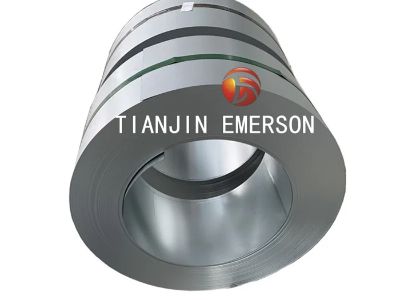
Stainless steel coils are essential components in industrial processing and metal fabrication, offering durability, corrosion resistance, and versatility. For purchasing managers, distributors, and engineers, understanding the nuances of stainless steel coils is critical to making informed decisions. This article will guide you through selecting the right stainless steel coil for your industrial needs, evaluating quality, sourcing reliable suppliers, comprehending specifications and exploring various applications.
Choosing the Right Stainless Steel Coil for Your Industrial Needs
When selecting a stainless steel coil, it is vital to consider the specific requirements of your application. Factors such as thickness, width, and alloy composition play significant roles in performance. Common grades like 304 and 316 offer different levels of corrosion resistance; for instance, 316 is preferred in marine environments due to its higher nickel and molybdenum content. Additionally, consider the coil’s finish, which can affect both appearance and functionality. A smooth finish may be required for aesthetic applications, while a textured surface could enhance grip in certain machinery.
Buyers should also assess their operational environment. For applications exposed to high temperatures or aggressive chemicals, selecting the appropriate grade with suitable heat treatment and surface finish is crucial. Collaborating with a manufacturer like Tianjin Emerson, which offers customization and a variety of in-stock goods, can streamline this selection process.
How to Evaluate the Quality of Stainless Steel Coils for Fabrication?
Quality evaluation of stainless steel coils involves several critical aspects. Start with a review of the material certification documents that indicate the alloy composition and mechanical properties. Buyers should verify that the coils meet industry standards, such as ASTM or ISO certifications, which assure compliance with quality requirements. Next, inspect the physical characteristics of the coils. Look for uniform thickness and width, as inconsistencies can lead to issues during fabrication. A visual inspection for surface defects, such as scratches or oxidation, is also important. Since stainless steel coil can be sensitive to contamination, ensure that coils are free from grease and other foreign substances before use. Conducting a practical test on sample coils can further confirm quality. Testing for tensile strength, elongation, and hardness can provide insights into how well the material will perform under operational stresses. Ensuring that quality control processes are in place at the manufacturing stage can mitigate common problems encountered during production.
Where to Source Reliable Stainless Steel Coil Suppliers for Bulk Orders?
Sourcing reliable suppliers for stainless steel coils is essential for maintaining production schedules and quality standards. Start by identifying manufacturers with a proven track record in the industry. Look for companies that specialize in stainless steel products, like Tianjin Emerson, which offers direct factory supplies and one-stop solutions. Evaluate potential suppliers based on their certifications, product range, and customer service. A good supplier should be able to provide detailed product specifications, sample approvals, and flexible order quantities, including OEM and ODM capabilities. It's also advisable to request references or case studies from previous clients to gain insights into the supplier's reliability. Additionally, consider the logistics and shipping capabilities of the supplier. Ensure that they have established processes for timely delivery and can accommodate your specific packaging needs, which can vary based on your industry and application.
Understanding Stainless Steel Coil Specifications for Optimal Performance
Understanding the specifications of stainless steel coils is vital for ensuring optimal performance in your applications. Key specifications include:
Thickness: Measured in gauges, the thickness of the coil should align with the requirements of your application. Thicker coils are generally stronger but may be less flexible.
Width: The width of the coil can affect how it fits into your processing equipment. Make sure to specify the width that best suits your production line.
Alloy Composition: Different grades of stainless steel provide varying levels of corrosion resistance, strength, and temperature tolerance. For example, 304 stainless steel structure manufacturing is a common choice for general applications, while 316 is preferred for environments exposed to saline or acidic solutions.
Surface Finish: The finish can range from matte to highly polished, impacting both aesthetics and performance. For instance, a polished finish can be easier to clean, beneficial for hygienic applications.
Always confirm that the specifications align with your operational requirements before placing a bulk order. This helps prevent costly rework or material failures.
Applications of Stainless Steel Coils in Metal Fabrication Projects
Stainless steel coils are versatile materials used in a wide range of metal fabrication applications. Common uses include:
Automotive Components: Used in exhaust systems, chassis, and other critical parts due to their strength and resistance to corrosion.
Construction: Ideal for architectural applications, including facades and railings, where aesthetic appeal and durability are paramount.
Food Processing: Coils are often utilized in food and beverage equipment, where sanitation is essential. Their resistance to rust and ease of cleaning make them suitable for this industry.
Manufacturing Equipment: In industrial settings, stainless steel coils serve as components in machinery and equipment, enhancing longevity and reliability.
When integrating stainless steel coils into your projects, consider the specific performance requirements, such as load-bearing capacity and environmental exposure, to ensure the selected material meets the demands of your application. understanding the intricacies of laser cutting service from selection to quality evaluation and application can significantly influence the success of your industrial projects. By collaborating with a reliable supplier like Tianjin Emerson, you can access high-quality materials tailored to your needs, ensuring efficient and effective production processes.
Table of Contents
- Choosing the Right Stainless Steel Coil for Your Industrial Needs
- How to Evaluate the Quality of Stainless Steel Coils for Fabrication?
- Where to Source Reliable Stainless Steel Coil Suppliers for Bulk Orders?
- Understanding Stainless Steel Coil Specifications for Optimal Performance
- Applications of Stainless Steel Coils in Metal Fabrication Projects