
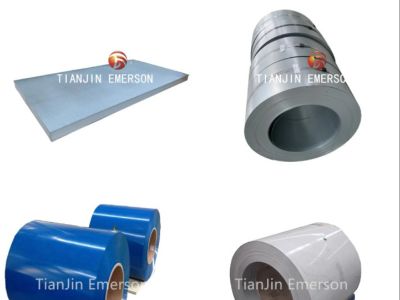
Understanding how steel coils support high-volume metal fabrication is crucial for anyone involved in the manufacturing process. Steel coils serve as the backbone for numerous applications, from automotive components to construction materials. Buyers often face challenges in ensuring quality, managing suppliers, and navigating installation processes. This article will delve into the critical aspects of steel coil, providing insights that will help you make informed purchasing decisions.
Ensuring Steel Coils Meet Your Project Standards
When selecting steel coils for your metal fabrication projects, it’s vital to verify that they meet specific standards and specifications tailored to your application. Key specifications include thickness, width, and material grade, all of which directly impact the coil's performance in your end product.
For instance, the thickness of a steel coil can affect its strength and suitability for various applications. If a coil is too thin for the intended use, it may lead to structural failures or compromised product integrity. Conversely, excessively thick steel structure manufacturing can add unnecessary weight and cost. Always assess the material grade, as different grades offer varying levels of hardness, ductility, and resistance to corrosion.
Additionally, confirm that the coils are produced according to industry standards, such as ASTM (American Society for Testing and Materials) or ISO (International Organization for Standardization) certifications. This ensures that the coils will perform as expected under operational stresses.
Where to Find Reliable Suppliers for Steel Coils in Bulk
Finding a reliable supplier is a crucial step in ensuring a steady supply of quality steel coils. Start by seeking out manufacturers with a strong reputation in the industry, such as Tianjin Emerson, which provides various steel materials and processing services. Look for suppliers that offer clear information about their manufacturing processes, quality controls, and material sourcing.
Evaluate potential suppliers based on their ability to handle bulk orders while maintaining strict quality standards. Inquire about their production capacity, lead times, and customization options. A supplier that maintains a large inventory can often fulfill orders quickly and efficiently, which is essential for high-volume production schedules.
Don’t hesitate to ask for references or case studies from previous clients to gauge the supplier's reliability and product quality. Engaging suppliers who also offer OEM (Original Equipment Manufacturer) and ODM (Original Design Manufacturer) services can provide additional flexibility in your sourcing strategy.
Common Challenges in Metal Fabrication and Steel Coil Solutions
Metal fabrication presents various challenges, particularly when working with steel coils. One common issue is material consistency; variations in coil thickness or material properties can lead to discrepancies in production quality. This is where rigorous quality control processes become essential.
Another challenge is the compatibility of the steel coils with your existing machinery. Before placing an order, verify that the dimensions and specifications of the coils align with your equipment capabilities. If necessary, conduct tests with samples to ensure that the coils perform well in your production environment.
Additionally, consider the handling and transportation of steel coils. Bulk shipments can present logistical challenges, such as damage during transit or issues with storage. Collaborating with suppliers who have experience in managing these aspects can help mitigate risks.
Installation Guidance for Steel Coils in Your Fabrication Projects
Proper installation of steel coils is crucial to ensure the success of your fabrication projects. This involves not only the physical handling of the coils but also understanding how they integrate into your production processes.
Before installation, review the technical drawings and specifications to confirm that the coils will fit the intended application. It’s essential to ensure that the coils are stored and handled correctly to avoid deformation or damage. Use appropriate lifting equipment and techniques to transfer coils to your production line safely.
During the installation phase, monitor the alignment and fitting of the coils with other components. Misalignments can lead to increased wear on machinery and subpar product quality. Conducting a trial run with a sample batch can help identify any potential issues before full-scale production begins.
Understanding the Applications of Steel Coils in Manufacturing
Steel coils are versatile products used across numerous industries, including automotive, construction, and appliance manufacturing. Their applications vary widely, from structural components to decorative finishes.
In automotive manufacturing, for example, high-strength steel coils are often used for chassis and body panels due to their durability and lightweight properties. In contrast, the construction industry may utilize galvanized steel coils laser cutting service for roofing and siding, where corrosion resistance is paramount.
Understanding the specific requirements of your application is essential when selecting steel coils. Factors such as load-bearing capacity, environmental exposure, and aesthetic considerations should all influence your choice. Collaborating with knowledgeable suppliers can provide insights into the best materials and configurations for your specific needs.
In summary, knowing how steel coils support high-volume metal fabrication can significantly enhance your purchasing decisions. By focusing on project standards, supplier reliability, installation processes, and application suitability, you can optimize your fabrication projects for both quality and efficiency.