
When it comes to structural steel fabrication, the choice of materials can significantly impact the durability and performance of the final product. Steel channels, in particular, are a versatile choice that offers strength and stability for various applications. Understanding how steel channel supports structural steel fabrication is essential for purchasing managers, engineers, and product managers seeking reliable solutions for their projects. This article will detail critical specifications, options for wholesale purchases, cost factors, applications across industries, and tips for sourcing from reputable suppliers.
Key Specifications for Choosing Steel Channel in Projects
When selecting steel channels for a project, several key specifications should be considered to ensure optimal performance and compatibility with your application.
Dimensions: Steel channels come in various dimensions, including height, flange width, and thickness. The dimensions must match the specific steel structure manufacturing requirements of the project. For instance, larger channels can support heavier loads but may also require more substantial connections.
Material Grade: The grade of steel, often specified in standards like ASTM A36 or A572, affects the channel's strength and ductility. For structural applications, A36 is a common choice due to its good weldability and strength, while higher-grade materials like A572 are utilized in applications requiring greater strength and lower weight.
Surface Treatment: Depending on the application, surface treatments such as galvanizing or painting may be necessary to improve corrosion resistance. Galvanized steel channels are particularly advantageous in environments exposed to moisture or corrosive agents.
Load Capacity: Understanding the load capacity of the selected channel is crucial. This includes both static and dynamic loads, which can differ based on the application and installation conditions.
Evaluating these specifications before procurement can help ensure that the right material is selected for the intended application, mitigating the risk of structural failures.
Comparing Steel Channel Options for Wholesale Purchases
When sourcing steel channels for bulk orders, buyers should consider various options to ensure they secure the best solution for their needs.
Standard vs. Custom Channels: Many suppliers offer standard sizes and shapes, which can often be more cost-effective for larger orders. However, for specialized applications, custom channels might be necessary. Customization can include specific dimensions, material grades, or surface treatments tailored to the project requirements.
Supplier Capabilities: Not all suppliers have the same manufacturing capabilities. It’s important to evaluate whether a supplier can handle large orders efficiently and whether they have the necessary equipment for custom fabrication if needed. Tianjin Emerson, for example, provides one-stop solutions for varied quantities and customization, ensuring prompt delivery of in-stock goods.
Pricing Structures: Understanding the pricing structure is critical. Some suppliers may offer discounts for bulk purchases, while others may have a minimum order quantity (MOQ) that buyers should be aware of. It’s advisable to compare quotes from multiple suppliers to assess total costs, including shipping and any additional fees for customization.
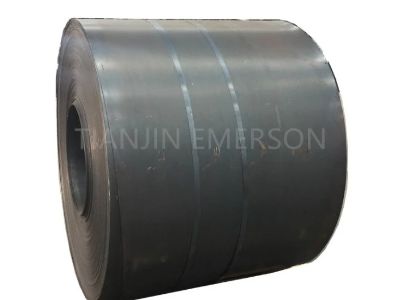
Quality Assurance: Always inquire about the quality control processes in place at the manufacturing facility. Certifications, testing procedures, and inspection protocols like steel coil are indicators of a supplier's commitment to delivering high-quality products.
Cost Factors to Consider When Sourcing Steel Channel
Several cost factors should be taken into account when sourcing steel channels:
Material Costs: Fluctuations in raw material prices can impact the overall cost of steel channels. Buyers should be aware of market trends and potentially negotiate contracts to lock in prices.
Manufacturing Costs: Depending on the complexity of the desired channel, manufacturing costs can vary. Custom channels may incur additional costs related to tooling and setup, while standard products may offer cost savings.
Transportation and Handling: Shipping costs can add significantly to the total order price, especially for bulk purchases. Consideration should be given to the delivery location and whether the supplier offers competitive shipping rates.
Lead Times: Faster delivery often comes at a premium. Understanding lead times for production and shipping is essential to align with project timelines, especially if custom channels are required.
Inspection and Testing: Costs associated with quality assurance, including third-party inspections and testing, should also be factored into the total cost. Ensuring that the steel channels meet the necessary specifications can prevent higher costs related to rework or failures in the field.
Applications of Steel Channel in Various Industries and Projects
Steel channels are utilized across a multitude of industries, each with specific applications that leverage their structural properties:
Construction: In the construction industry, steel channels are commonly used as structural components in buildings, bridges, and other infrastructure projects. Their strength-to-weight ratio makes them ideal for supporting loads while minimizing material use.
Manufacturing: In manufacturing settings, steel channels can serve as framing for machinery and equipment. Their stability helps maintain alignment and support during operational stresses.
Transportation: Steel channels are often used in the transportation sector for rails and supports in vehicles and infrastructure, ensuring safety and durability under dynamic loads.
Energy: In the energy sector, particularly in renewable energy installations, steel channels are used in mounting systems for solar panels and wind turbines, where weather resistance and structural integrity are paramount.
Understanding the specific application requirements can help in selecting the appropriate type and grade of steel channel, ensuring both performance and compliance with industry standards.
Where to Find Reliable Steel Channel Suppliers for Bulk Orders?
Finding a trustworthy supplier for steel channels requires careful consideration of several factors:
Reputation and Experience: Look for suppliers with a strong reputation in the industry. Established manufacturers often have a track record of quality and reliability. Review testimonials and case studies to gauge their performance.
Certifications and Compliance: Ensure the supplier adheres to industry standards and holds relevant certifications. This can include ISO certifications, which indicate a commitment to quality management and consistent processes.
Customization Capabilities: As noted earlier, some projects require customized solutions. A laser cutting service supplier that offers flexibility in production and can accommodate specific requirements will be invaluable for complex projects.
Customer Support: Reliable customer service can significantly impact the purchasing experience. Suppliers should be willing to provide technical support and assist with any issues that arise during the ordering process or after delivery.
Sample Approval Process: Before committing to a bulk order, it’s advisable to request samples to verify quality and compatibility with project requirements. This step can prevent costly mistakes down the line.
By considering these factors, buyers can confidently select a supplier that meets their needs and ensures the success of their structural steel fabrication projects.