Introduction: The Backbone of Reinforced Concrete
Steel reinforcement materials are indispensable to modern construction, providing the tensile strength that concrete lacks. Concrete is strong in compression but weak in tension; without reinforcement, it would crack and fail under bending and shear loads. Steel reinforcement, commonly known as rebar, bridges this gap by absorbing tensile stresses and distributing loads throughout the structure. The selection of the appropriate type of reinforcement is critical for structural safety, durability, and cost-effectiveness. Steel reinforcement materials are classified based on their chemical composition, manufacturing process, surface treatment, and mechanical properties. Understanding these classifications enables engineers to specify the optimal material for each application, from high-rise buildings and bridges to industrial floors and marine structures. This article examines the primary classifications of steel reinforcement materials and their essential role in the construction field.
Classification by Chemical Composition: Carbon Steel, Alloy Steel, and Stainless Steel
The most fundamental classification of steel reinforcement is based on chemical composition. Carbon steel reinforcement is the most widely used category, accounting for the vast majority of rebar in construction. It is further divided into low-carbon, medium-carbon, and high-carbon steels, with low-carbon and medium-carbon grades dominating due to their excellent balance of strength, ductility, and weldability. Alloy steel reinforcement incorporates elements such as chromium, nickel, molybdenum, or vanadium to enhance specific properties. For example, micro-alloyed steels with vanadium or niobium achieve higher yield strengths without compromising ductility. Stainless steel reinforcement contains a minimum of 10.5% chromium, providing superior corrosion resistance. It is specified for structures exposed to aggressive environments, such as marine facilities, chemical plants, and coastal infrastructure. While stainless steel rebar carries a higher initial cost, its extended service life and reduced maintenance requirements often justify the investment in critical applications.
Classification by Surface Profile: Plain Round Bars and Deformed Bars
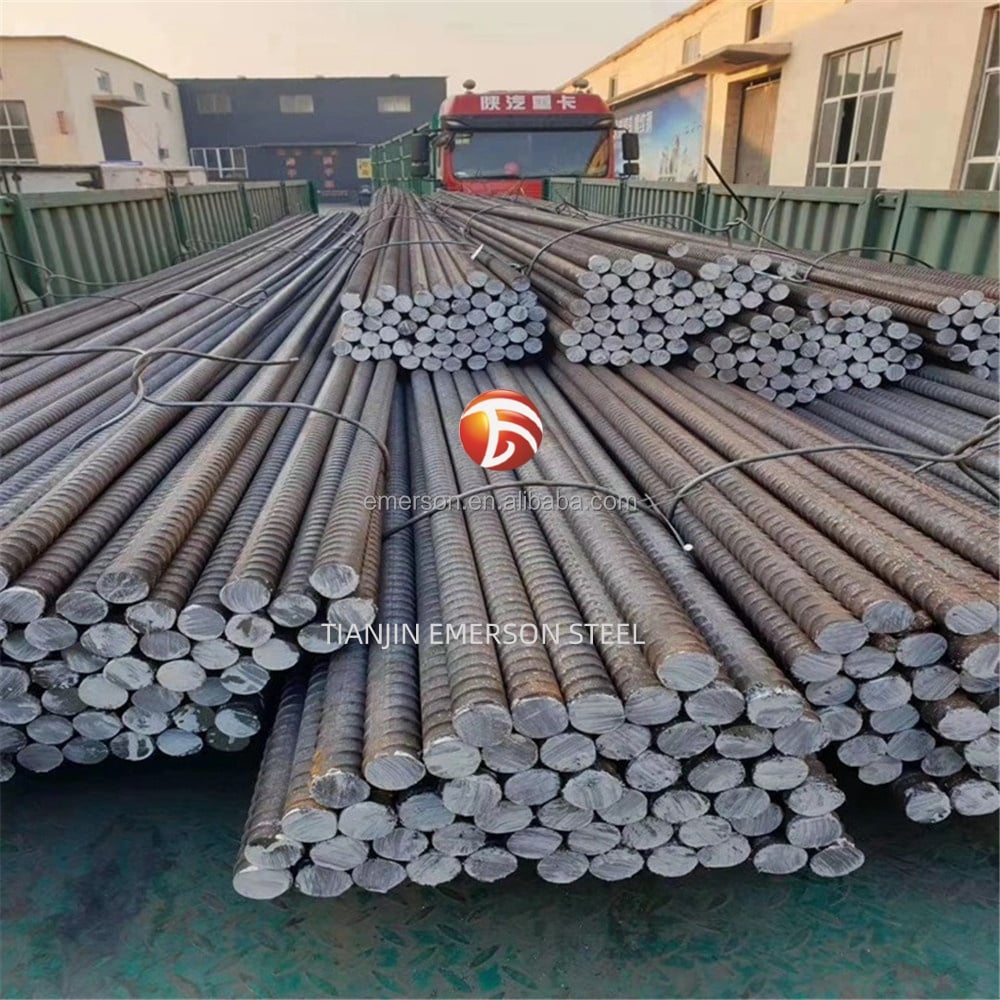
Steel reinforcement is also classified by surface geometry. Plain round bars have a smooth surface and rely primarily on chemical adhesion and friction to bond with concrete. They are rarely used in modern construction for primary reinforcement because their bond strength is relatively low. Deformed bars, also known as ribbed bars, feature surface deformations—such as ribs, lugs, or indentations—that mechanically interlock with concrete. This interlocking dramatically increases the bond strength and prevents slippage under load. Deformed bars are the standard for reinforced concrete construction worldwide. The pattern, spacing, and height of the deformations are specified by standards such as ASTM A615, ASTM A706, and GB/T 1499.2 to ensure consistent bond performance. The deformations are designed to provide optimal grip without creating stress concentrations that could initiate cracks.
Classification by Surface Treatment: Epoxy-Coated, Galvanized, and Uncoated
Surface treatment classification addresses corrosion protection. Uncoated black steel rebar is the most common and economical option, suitable for dry, indoor, or properly protected environments. Epoxy-coated rebar is manufactured by applying a fusion-bonded epoxy powder coating to the cleaned steel surface. This coating acts as a barrier against moisture, chlorides, and chemicals, significantly extending service life in corrosive environments such as parking garages, bridge decks, and wastewater treatment plants. However, the coating must be handled carefully to avoid damage during transport, bending, and installation. Galvanized rebar is coated with a layer of zinc through hot-dip galvanizing, providing both barrier and sacrificial cathodic protection. Galvanized rebar is used in marine structures, coastal buildings, and applications where long-term durability is required. Each treatment offers distinct advantages and must be selected based on the specific exposure conditions and lifecycle cost analysis.
Classification by Manufacturing Process: Hot-Rolled, Cold-Worked, and Prestressing
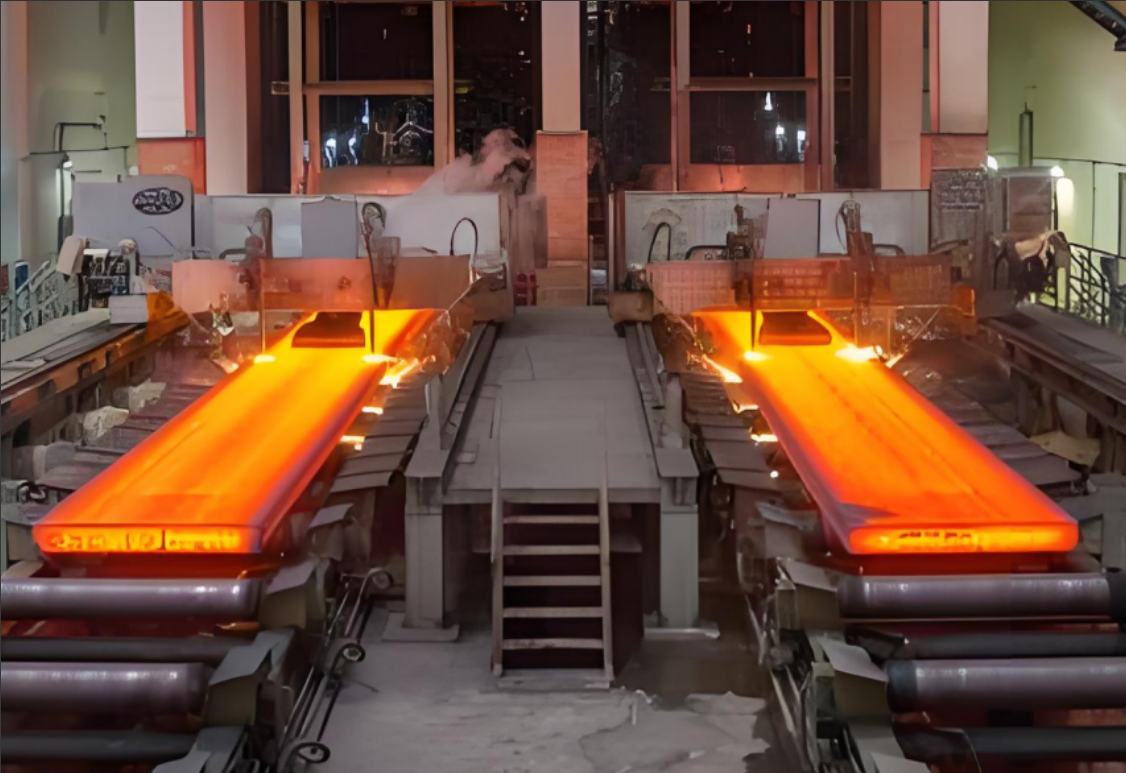
Manufacturing methods further differentiate steel reinforcement. Hot-rolled rebar is produced by heating steel billets and passing them through rolling mills to form the desired shape. Hot-rolled bars are characterized by a ferrite-pearlite microstructure, good ductility, and predictable mechanical properties. They are the standard for general construction. Cold-worked rebar is produced by drawing, twisting, or rolling steel at room temperature. This process increases yield strength through strain hardening but reduces ductility. Cold-worked bars are used in some regions for light reinforcement but are generally not permitted in seismic zones due to their lower ductility. Prestressing steel includes high-strength wires, strands, and bars used to apply compressive stresses to concrete before service loads are applied. Prestressing steel is classified into pretensioning and post-tensioning systems and is essential for long-span bridges, parking structures, and nuclear containment vessels.
The Role of Steel Reinforcement in Construction: Tensile Strength and Structural Integrity
The primary role of steel reinforcement in construction is to provide tensile strength to concrete structures. When a reinforced concrete beam is subjected to bending, the concrete on the tension side would crack without reinforcement. Steel rebar placed in the tension zone carries the tensile forces, while the concrete carries the compressive forces. This composite action enables structures to support heavy loads, span long distances, and resist lateral forces from wind and earthquakes. Reinforcement also controls cracking due to shrinkage and temperature changes, improves impact resistance, and enhances the overall ductility of the structure. In seismic design, properly detailed reinforcement provides the energy dissipation capacity needed to withstand cyclic loading without collapse.
Role in Durability, Fire Resistance, and Sustainability
Steel reinforcement contributes to the durability and fire resistance of concrete structures. When adequately protected by concrete cover and when appropriate surface treatments are used, reinforcement resists corrosion and extends service life. In fire conditions, the concrete cover insulates the steel, maintaining its strength for a specified period and allowing safe evacuation. From a sustainability perspective, steel reinforcement is fully recyclable, and its use in concrete structures reduces the amount of concrete required, lowering the carbon footprint of construction. The long service life of reinforced concrete structures further reduces resource consumption over time. Proper selection, detailing, and installation of steel reinforcement are therefore essential for safe, durable, and sustainable construction.
Conclusion: Matching Reinforcement Classification to Application
In summary, steel reinforcement materials are classified by chemical composition, surface profile, surface treatment, and manufacturing process. Each classification offers distinct properties that make it suitable for specific applications. Carbon steel deformed bars remain the workhorse of general construction, while stainless steel, epoxy-coated, and galvanized variants provide enhanced corrosion resistance for aggressive environments. Prestressing steel enables long-span and high-performance structures. Understanding these classifications allows engineers and builders to select the optimal reinforcement for each project, ensuring structural safety, durability, and cost-effectiveness. As construction technologies advance, the classification and application of steel reinforcement will continue to evolve, supporting the creation of stronger, more resilient, and more sustainable infrastructure.