
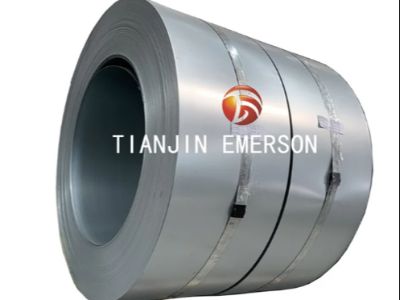
When selecting materials for roofing, fabrication, and industrial components, galvanized steel coil stands out as a popular choice for its durability and resistance to corrosion. This article will focus on the essential aspects of galvanized steel coils, particularly for buyers in manufacturing and construction. We will address key concerns such as product selection, quality evaluation, supplier reliability, cost factors, and common issues in order to equip purchasing managers, engineers, and product managers with the knowledge necessary for making informed decisions about galvanized steel coil.
How to Choose the Right Galvanized Steel Coil for Your Project
Choosing the right galvanized steel coil starts with understanding your project's specific requirements. Key factors to consider include the thickness of the coil, which generally ranges from 0.3 mm to 3 mm, and its width, typically between 600 mm and 1500 mm. These dimensions should align with your application needs, as thicker coils provide better structural integrity while thinner coils may be more cost-effective for less demanding applications.
Another crucial consideration is the zinc coating thickness, which is measured in grams per square meter (g/m²). Higher zinc coatings enhance corrosion resistance, making them suitable for exterior applications or environments prone to moisture. For example, a coating weight of 275 g/m² is standard for roofing applications in humid climates. Finally, understand the specific manufacturing processes that may affect the steel's mechanical properties, such as cold rolling or hot-dip galvanizing, to ensure compatibility with your intended use.
Evaluating the Quality of Galvanized Steel Coil Products
Quality evaluation of galvanized steel coils involves several critical parameters. First, assess the surface finish, which should be smooth and free from defects like scratches or rust spots. Surface imperfections can lead to premature corrosion or aesthetic issues in finished products. Conducting a visual inspection is a good starting point, but further testing may be necessary to ensure compliance with standards.
Next, consider mechanical properties such as tensile strength and yield strength. These specifications define the coil's ability to withstand stress during fabrication and usage. A tensile strength of at least 270 MPa is typical for many applications. Additionally, buyers should verify the chemical composition of the steel, ensuring it meets industry standards such as ASTM A653 or EN 10346.
Finally, a reliable supplier should provide documentation of quality certifications and test results, confirming that the product has undergone rigorous quality control processes. This transparency is vital for building trust and ensuring product consistency.
Where to Find Reliable Suppliers of Galvanized Steel Coil
Finding a trustworthy supplier for galvanized steel coil requires thorough research. Start by looking for manufacturers with a well-established reputation in the industry. Online marketplaces and directories can help identify potential suppliers, but it is essential to delve deeper into their background.
Evaluate their production capabilities, including the types of steel they specialize in and their manufacturing processes. A supplier like Tianjin Emerson, for instance, offers a range of metal steel materials and has robust metal processing and fabrication services, making them a one-stop solution for many buyers.
It’s also beneficial to seek reviews and testimonials from previous customers. Engaging with industry peers through forums or trade shows can provide insights into supplier reliability. Lastly, request samples to assess product quality before placing any large orders.
Cost Factors to Consider When Buying Galvanized Steel Coil
When budgeting for galvanized steel coils, several cost factors should be considered. First, the price per ton can vary based on thickness, width, and zinc coating weight. Generally, thicker and higher-coated products will incur higher costs.
In addition to material costs, consider the expenses associated with transportation and delivery. Shipping costs may fluctuate based on the distance from the supplier and the quantity ordered. Some suppliers, like Tianjin Emerson, may offer in-stock goods for prompt delivery, which can help minimize lead times and overall costs.
Another essential factor is the minimum order quantity (MOQ). Suppliers often have MOQs that affect pricing; ordering in larger quantities can lead to cost savings. Finally, remember to account for any potential tariffs or import duties if you are sourcing internationally, as these can significantly impact overall expenses.
Common Problems with Galvanized Steel Coil and Their Solutions
While galvanized steel coils offer numerous advantages, buyers can face common issues that may hinder project success. One frequent problem is corrosion, especially if the zinc coating is insufficient for the application environment. To mitigate this, always confirm the coating weight and specifications with the supplier to ensure suitability for your specific conditions.
Another issue is the potential for warping or deformation during fabrication. This can occur if the steel structure manufacturing coil is not handled properly or if it has inconsistent thickness. To avoid this, ensure that proper handling and storage procedures are in place, and conduct a quality check on samples before mass production.
Lastly, miscommunication between buyers and suppliers can lead to receiving the wrong product specifications. To prevent this, detailed RFQs (Requests for Quotation) outlining the desired specifications, applications, and performance requirements should be provided to the supplier. This clarity helps ensure that the product delivered meets the necessary standards and expectations.
By understanding these aspects and maintaining clear communication with suppliers, purchasing managers and engineers can navigate the complexities of procuring galvanized steel coils effectively.