
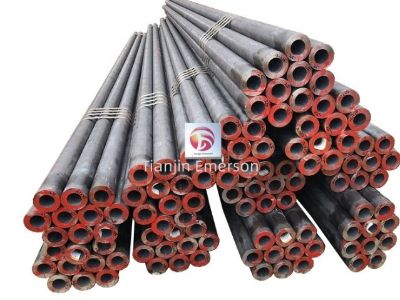
Steel pipes play a pivotal role in industrial piping systems, serving as the backbone for fluid and gas transport across various manufacturing sectors. Understanding why steel pipes are essential involves looking at their durability, application versatility, and the specific needs of B2B buyers, including purchasing managers and engineers. This article will delve into the applications of steel pipes, installation guidelines, key buyer considerations, sourcing benefits, and bulk order factors, providing insights that can aid in making informed purchasing decisions.
Applications of Steel Pipes in Diverse Industrial Settings
Steel pipes are utilized across a broad spectrum of industries, including oil and gas, water supply, construction, and manufacturing. Their robust nature makes them ideal for high-pressure and high-temperature applications, ensuring safe and efficient transport of liquids and gases. For instance, in the oil and gas sector, seamless steel pipes and steel coil are preferred for their ability to withstand extreme pressures and corrosive environments.
In construction, steel pipes are used for structural purposes, such as scaffolding and support systems, owing to their high tensile strength. Additionally, in water treatment plants, galvanized steel pipes are commonly employed due to their corrosion resistance, ensuring a longer service life. Understanding these applications helps buyers select the right type of steel pipe suited for their specific needs, ensuring compatibility with their systems and operational requirements.
Installation Guidelines for Steel Pipes in Piping Systems
Proper installation is critical for the performance and longevity of steel pipes. Before installation, it is essential to verify that the pipes meet the required specifications, including diameter, wall thickness, and material grade. A common oversight occurs when the installation environment such as temperature fluctuations, humidity, and exposure to chemicals is not adequately accounted for, leading to premature failure.
During installation, it’s crucial to ensure proper alignment and support to prevent undue stress on the joints. Additionally, using compatible fittings and flanges that match the pipe specifications is vital to avoid leaks. For welded joints, thorough inspection post-welding is necessary to ensure the integrity of the connection. By following these steel structure manufacturing guidelines, buyers can ensure that their industrial piping systems operate efficiently and safely.
What Buyers Need to Know?
When sourcing steel pipes, buyers should be aware of several key factors. First, they need to specify the type of steel, be it carbon steel, stainless steel, or alloy steel based on the application and environmental conditions. Each type has distinct properties that affect performance, such as corrosion resistance and strength.
Buyers should also consider the dimensions and wall thickness of the pipes, as these affect flow rates and pressure ratings. Providing detailed information during the RFQ process including application requirements, expected pressure levels, and any necessary certifications can facilitate accurate quotes and prevent costly miscommunications.
Moreover, understanding the manufacturer's quality control processes is essential. Buyers should inquire about quality certifications, such as ISO standards, to ensure the products meet industry specifications. This due diligence can help mitigate risks associated with product failure and ensure compliance with regulatory standards.
Benefits of Sourcing Steel Pipes from Trusted Manufacturers
Sourcing steel pipes from reputable manufacturers, like Tianjin Emerson, offers numerous advantages. Established suppliers typically have stringent quality control measures in place, ensuring that each pipe meets the specified standards before reaching the buyer. This reliability is crucial in preventing costly delays or failures in industrial applications.
Moreover, trusted manufacturers often provide customization options, allowing buyers to specify unique dimensions, materials, or treatments tailored to their specific needs. This flexibility can enhance operational efficiency and product performance.
Additionally, experienced manufacturers can offer valuable insights into the latest industry trends and technologies, helping buyers make informed decisions. Their expertise can also assist in selecting the right type of steel pipe for specific applications, ensuring optimal performance and longevity.
Bulk Order Considerations for Steel Pipes in Large Projects
When planning large projects, bulk ordering steel pipes comes with its own set of considerations. First and foremost, buyers should assess their project timelines and lead times for production and delivery. Understanding the manufacturer's production capacity and delivery schedules can help align with project milestones, ensuring that materials arrive when needed.
Another critical factor is the minimum order quantity (MOQ). Buyers should be clear about their requirements and confirm that the manufacturer can meet them without compromising quality. Additionally, special packaging and handling instructions may be necessary for bulk orders to prevent damage during transportation.
Lastly, buyers should consider the cost implications of bulk orders. While purchasing in larger quantities often leads to cost savings per unit, it is essential to evaluate the total landed cost, including shipping and handling fees. By taking these laser cutting service and factors into account, buyers can optimize their procurement strategy for large-scale industrial projects.
By focusing on the essential aspects of steel pipes within industrial piping systems, this article aims to equip B2B buyers with the knowledge needed to make informed purchasing decisions. Understanding applications, installation guidelines, and sourcing benefits will ultimately lead to more successful project outcomes and efficient operations.